Beyond the Headlines: What Sherrone Moore’s Jailing Reveals About Power and Accountability in College Sports

Sarah Johnson
December 12, 2025
Brief
Sherrone Moore’s jailing exposes deep tensions in college sports: power, gender, due process, and institutional risk. This analysis goes beyond headlines to examine culture, law, and what Michigan does next.
Sherrone Moore’s Sudden Collapse at Michigan: What His Jailing Reveals About Power, Sports Culture, and Due Process
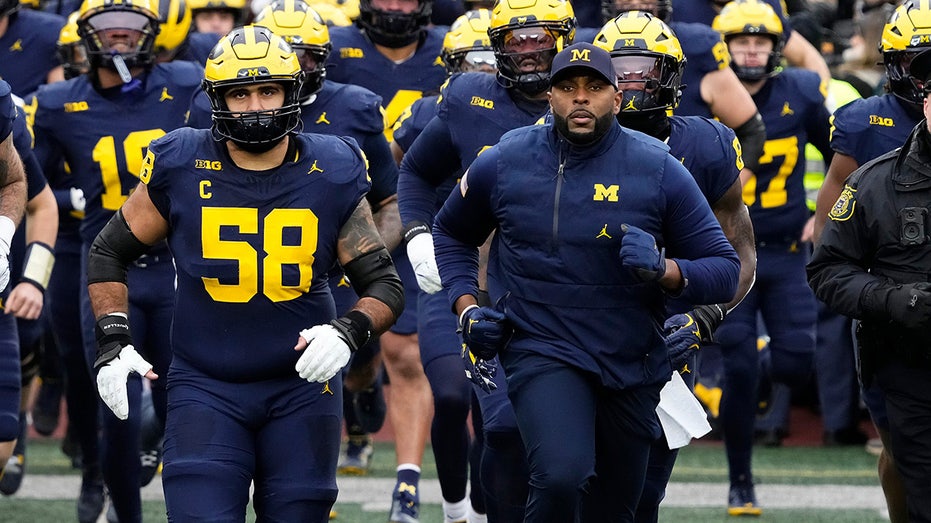
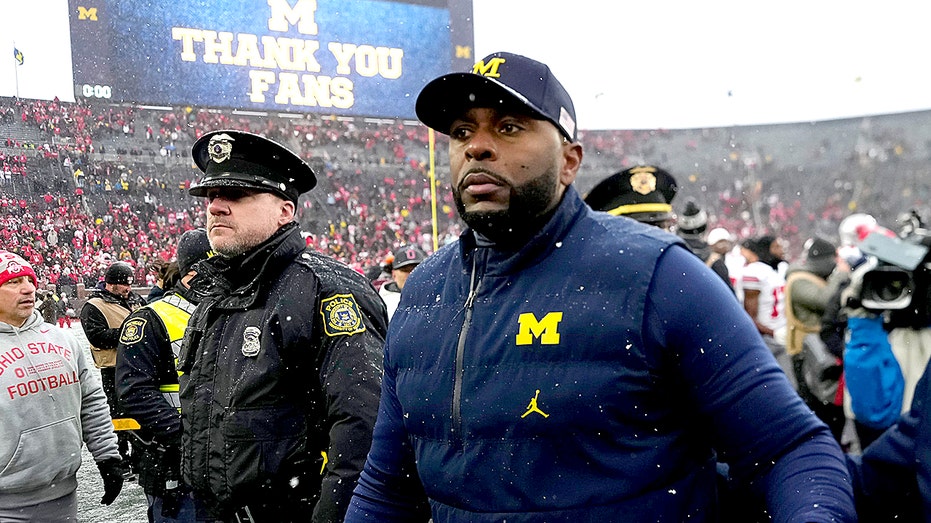
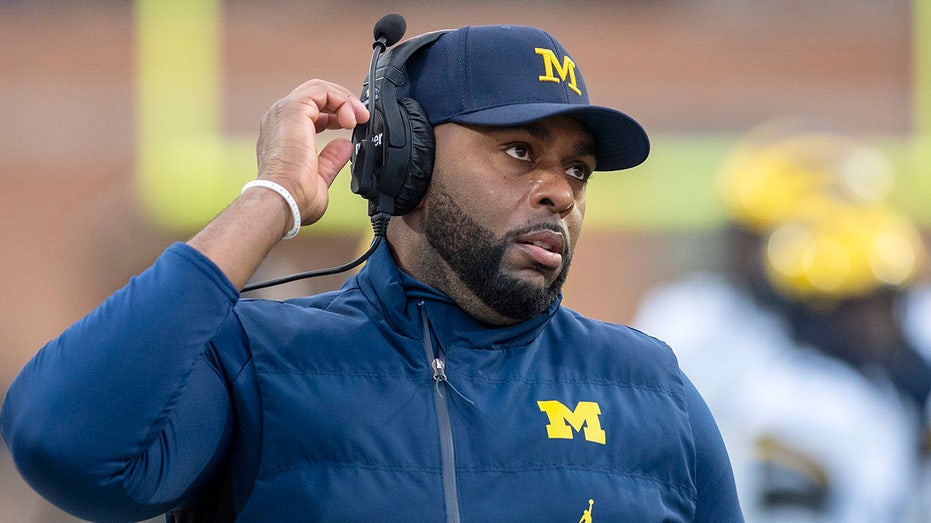
Sherrone Moore’s overnight fall from national championship head coach to jailed suspect is more than a sensational headline. It’s a stress test of how universities handle misconduct by powerful figures, how law enforcement manages high-profile cases, and how a sports-obsessed culture processes allegations long before facts are fully established.
At this stage, critical facts are still unknown: Moore remains in custody, no charges have been publicly filed, and the prosecutor has emphasized the investigation is ongoing. That uncertainty is precisely why this case is so revealing. What we do know already exposes deep tensions in college athletics around power, accountability, and the rush to judgment.
The bigger picture: a familiar pattern with higher stakes
Moore’s situation sits at the intersection of three long‑running storylines in American sports and higher education:
- The recurring crisis of leadership in college sports: From Joe Paterno at Penn State to Art Briles at Baylor, elite programs have repeatedly been rocked by off‑field misconduct and institutional failures to respond appropriately.
- The changing standards around workplace relationships and harassment: Universities, under legal, cultural, and reputational pressure, have steadily tightened policies on “inappropriate relationships,” especially where there is a power imbalance.
- Growing scrutiny of how star figures are treated by the justice system: Public reaction has shifted from reflexive deference to winning coaches and athletes to demands for transparency and equal treatment under the law.
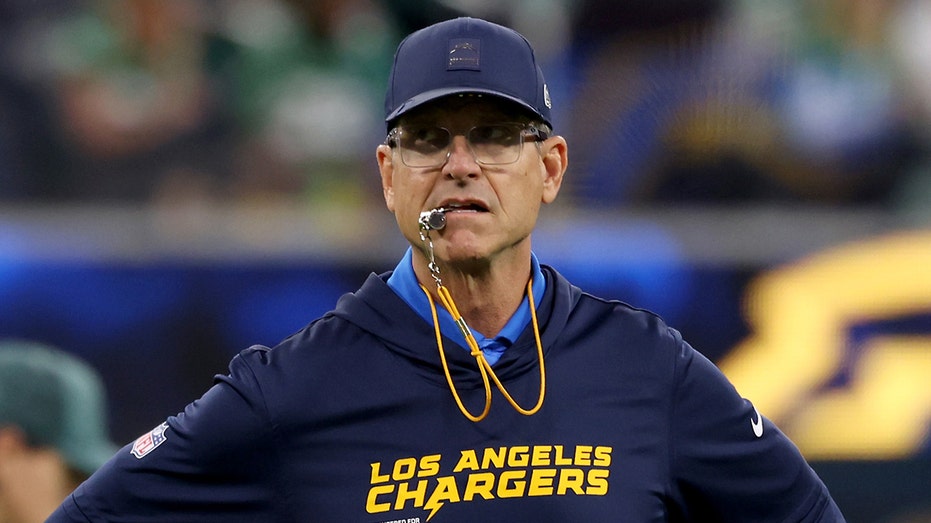
Moore had been positioned as one of the rising stars in college football: a national title winner, a transition figure after Jim Harbaugh’s departure, and a symbol of Michigan’s continuity and success. That arc makes his sudden jailing and firing not just a personnel story, but a pressure point for the entire model of big‑time college athletics.
Why Michigan moved so fast
Michigan’s decision to fire Moore almost immediately after the alleged conduct and then issue a public statement about an “inappropriate relationship” is strikingly swift, but not inexplicable.
Several forces likely influenced that urgency:
- Legal liability and Title IX exposure: If the relationship involved a staff member in a subordinate role, the university could face significant legal risk for allowing a hostile or coercive environment. Moving quickly demonstrates to courts, regulators, and accreditors that the school is acting decisively.
- Reputational triage: Michigan football is not just an athletic brand; it’s a revenue engine, an alumni rallying point, and a national symbol. A slow or opaque response would immediately be compared to past high‑profile scandals at other universities.
- Existing sensitivity after prior controversies: Michigan has already weathered controversy in recent seasons, including sign‑stealing allegations and questions of program oversight. Administrators know they are under the microscope.
- Contractual tools: Modern coaching contracts routinely include “morals clauses” and explicit language about personal conduct, relationships, and adherence to university policy. These give institutions both leverage and a clear standard for termination.
The language from athletic director Warde Manuel – “clear violation” and “zero tolerance” – is not accidental messaging. It serves simultaneously as a legal marker, a public signal, and an internal warning to the rest of the department.
Law enforcement’s timetable: why the delay on charges matters
While the university has acted, the prosecutor’s office is moving more cautiously. Moore remains in custody, but officials have stressed that charging decisions are not expected until at least Friday. This gap between employment action and criminal process raises critical questions about how we understand misconduct:
- Different standards: Universities operate on a “preponderance of the evidence” standard for internal decisions; prosecutors must consider “beyond a reasonable doubt” and the odds of convincing a jury. It’s entirely possible for one system to act while the other is still evaluating the case.
- High‑profile scrutiny: Prosecutors know that missteps in celebrity cases can reverberate for years. Overcharging, undercharging, or visibly rushed decisions can damage community trust.
- Domestic or intimate‑partner context (strongly suggested, though not confirmed, by the non‑random assault and home setting): These cases often involve complex dynamics, conflicting accounts, and the need for careful victim‑centered protocols.
Experts in prosecutorial ethics often emphasize that the pressure to act quickly is greatest when the public narrative is already racing ahead. The Washtenaw County office’s insistence on a deliberate timeline is a reminder that criminal law is supposed to move at a different speed than social media or sports commentary.
Power, gender, and “inappropriate relationships”
The university’s reference to an “inappropriate relationship with a staffer” is a loaded phrase that reflects a broader shift in how institutions treat romantic or sexual relationships in hierarchical workplaces.
Historically, such relationships were often treated as “private matters,” unless they directly interfered with work. That framework has been replaced by a recognition that:
- Power differentials (boss vs. subordinate, coach vs. staffer) can undermine genuine consent.
- Even seemingly consensual relationships can expose the institution to claims of favoritism, retaliation, or hostile environments.
- In sports, the culture of loyalty and “family” can blur professional lines and make it harder for lower‑status staff to refuse advances or report concerns.
Many universities now flatly prohibit relationships between supervisors and direct reports, or require immediate disclosure and reassignment. In that context, Michigan’s language suggests that Moore’s conduct didn’t merely raise ethical issues; it triggered a clear, pre‑existing policy line.
There is also a gender dimension: head coaches, especially in football, remain overwhelmingly male; support and administrative staff increasingly include women and younger employees with less institutional power. The risk of exploitation, whether intentional or not, is structurally baked into these arrangements.
The culture of invincibility around winning coaches
Moore’s fall underscores a recurring contradiction: high‑profile coaches are simultaneously held up as moral leaders and insulated by winning records, donor loyalty, and fan adulation.
At elite programs, coaches often command salaries that dwarf university presidents, oversee vast staffs, and wield enormous soft power over boosters, media, and even local politics. That environment can foster:
- A sense of personal exceptionalism: the belief that rules are negotiable for those who deliver championships.
- Weak internal checks: subordinates may hesitate to challenge or report misconduct by a coach whose success underpins their own careers.
- Community cognitive dissonance: fans and alumni can struggle to reconcile the hero image with serious allegations, leading to denial or reflexive defense.
Moore’s case will test how far that culture has really changed. Do fans and donors demand due process for a beloved coach? Or do they pivot quickly to protect the program’s reputation and “move on” – especially with the team still competing?
What this means for athletes, staff, and recruits
The immediate human impact inside the program is significant:
- Players must navigate a deeply destabilizing situation while preparing for a major bowl game under an interim coach, Francis Xavier “Biff” Poggi.
- Staff face uncertainty about leadership, job security, and whether the culture that enabled the alleged misconduct will be substantively addressed.
- Recruits and their families are likely reassessing their trust in the program’s stability and values, particularly given the role of coaches as surrogate parental figures in recruiting pitches.
In the transfer portal era, where athletes can move more freely and NIL money is reshaping incentives, perception of program culture matters more than ever. A scandal involving the head coach’s personal conduct can be as destabilizing as an NCAA probation in the eyes of some recruits and their parents.
Data and precedent: how often does this happen?
Granular data on college coaches being removed over personal misconduct is fragmented, but several trends are clear:
- A 2022 survey of Division I athletic departments by the Drake Group found that more than half had investigated at least one allegation of sexual or relationship misconduct involving athletic staff in the prior five years.
- Publicly reported cases involving head coaches are still relatively rare, but when they occur, they increasingly lead to immediate suspension or termination rather than quiet internal discipline.
- Legal settlements related to sexual misconduct, harassment, or hostile environments in athletics have cost universities and athletic departments hundreds of millions of dollars nationally over the past decade.
Moore’s case fits that emerging pattern: swift employment action, public acknowledgment of policy violation, and parallel – but not identical – criminal proceedings.
What mainstream coverage is overlooking
Most early reporting focuses on the shock value: a national champion coach, a sudden firing, a jailing, and a looming arraignment. Several deeper questions are getting less attention:
- Institutional accountability: When did Michigan first learn about the relationship or alleged conduct? Were there prior warning signs, informal complaints, or red flags that went unaddressed?
- Policy enforcement consistency: Would a lower‑profile staffer have faced the same swift termination? Or does high visibility trigger a faster, more public response?
- Support for affected parties: Beyond the accused and the institution, what resources and protections are being offered to the staffer involved and any others potentially impacted?
- Due process in the court of public opinion: How can media and fans responsibly cover an unfolding case where alleged facts remain under investigation and no formal charges have yet been filed?
These questions matter because they determine whether this becomes just another isolated scandal – or a turning point in how college sports confront power and misconduct.
Looking ahead: scenarios and stakes
Several pathways are possible once prosecutors complete their review:
- Criminal charges are filed: If prosecutors bring assault or related charges, the legal process will likely stretch for months or longer. Michigan’s firing will stand apart from the criminal proceedings, but civil litigation against the university or Moore could emerge.
- No charges, or lesser charges: Prosecutors might determine the evidence doesn’t support serious criminal charges. Even then, Moore’s employment status and reputational damage will likely be irreversible. This outcome would reignite debates about proportionality and due process in employment decisions.
- Broader internal review: In some past scandals, the initial allegation has led to deeper audits of program culture, compliance practices, and oversight. Whether Michigan chooses that route will signal how seriously it takes systemic risk, not just individual blame.
On the field, Michigan will try to frame this as a leadership transition rather than a crisis. Off the field, the outcome will shape how future coaching contracts are written, how staff are trained about boundaries and reporting, and how quickly institutions feel compelled to go public when misconduct involves high‑profile figures.
The bottom line
Sherrone Moore’s case is not just about one coach’s alleged conduct. It’s a lens on a system where enormous power, money, and cultural importance are concentrated in the hands of a few individuals – and where personal behavior can suddenly threaten not only careers but institutional legitimacy.
The real test for Michigan, and for college sports more broadly, will not be how quickly it distances itself from Moore, but whether it confronts the deeper structural incentives and cultural norms that make boundary‑crossing by powerful figures both more likely and more dangerous.
Topics
Editor's Comments
The most important unanswered question in the Sherrone Moore case isn’t about the exact nature of the alleged assault; it’s about timing and prior knowledge. Did Michigan administrators and athletic department leaders learn of boundary issues or relationship concerns before this incident, and if so, how did they respond? This is where major institutions often fail—not only in preventing misconduct, but in documenting and acting on early warning signs. Another tension worth watching is between due process and institutional self-protection. By moving swiftly, Michigan signals moral clarity, but it also shields itself from claims that it tolerated misconduct. That can be laudable or self-serving—or both. The real measure of accountability will be whether the university invites independent scrutiny of its culture and oversight structures, or chooses the more familiar path: isolate the scandal to one individual, declare the problem solved with his exit, and avoid unsettling questions about the system that enabled him.
Like this article? Share it with your friends!
If you find this article interesting, feel free to share it with your friends!
Thank you for your support! Sharing is the greatest encouragement for us.