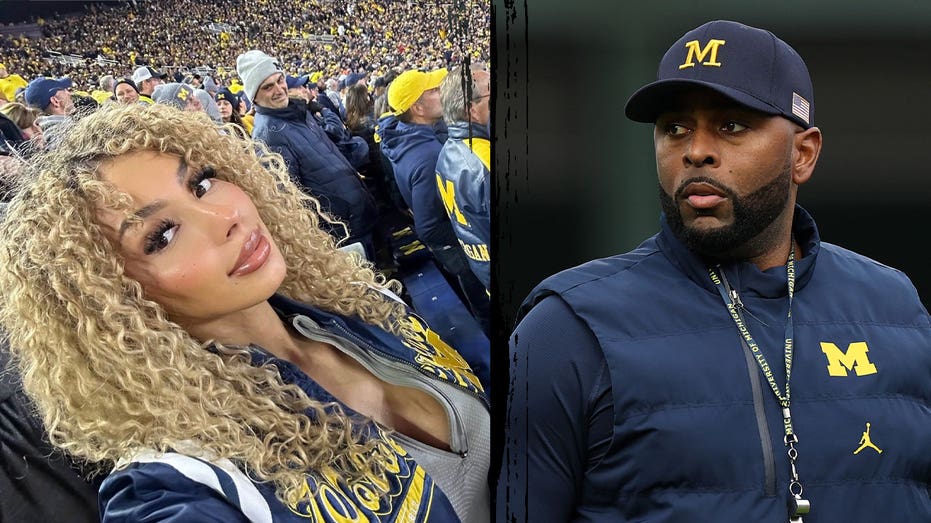
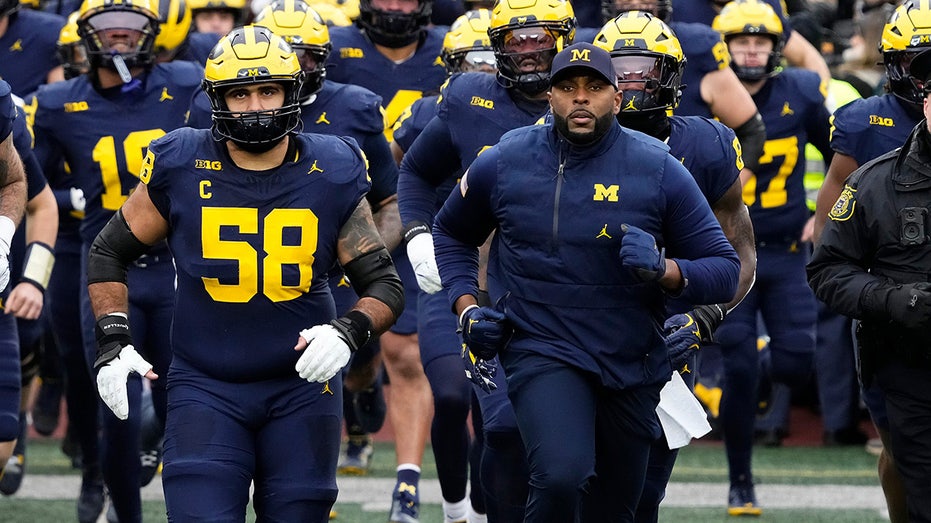
Beyond the Decommitments: What the Sherrone Moore Scandal Reveals About Power and Accountability in College Football

Sarah Johnson
December 13, 2025
Brief
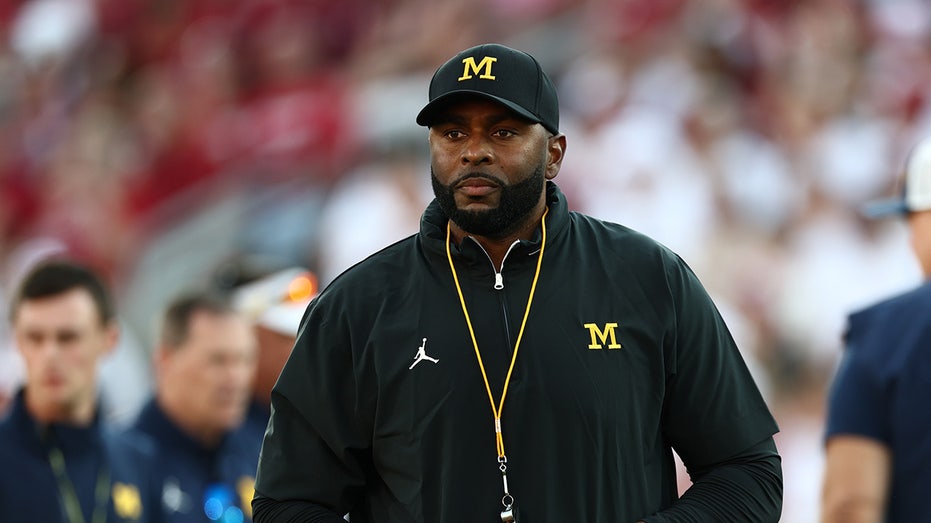
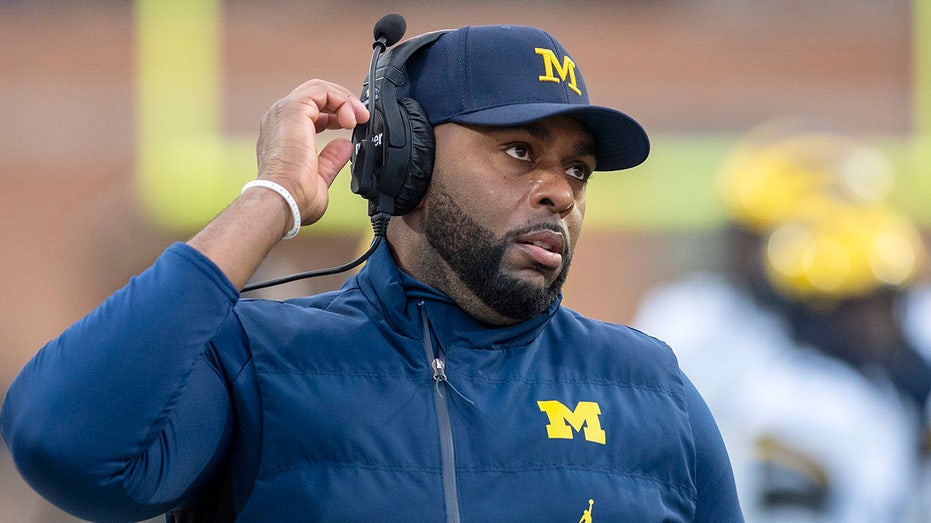
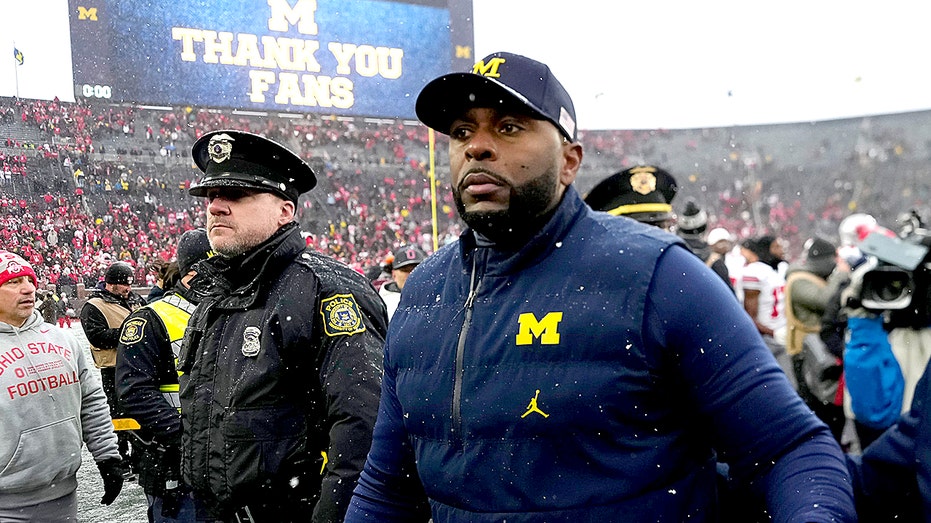
Michigan’s Sherrone Moore scandal is more than two decommitments. It exposes how modern college football handles power, personal misconduct, recruiting risk, and institutional accountability in a new era of scrutiny.
Michigan’s Sherrone Moore Scandal: Why Two Decommitments Signal a Deeper Crisis in College Football
The news that at least two Michigan football recruits have decommitted following head coach Sherrone Moore’s firing is not just a recruiting blip. It’s a vivid window into how modern college football programs are built on fragile ecosystems of trust, perception, and power — and how quickly those can collapse when a head coach’s off-field conduct crosses the line from poor judgment to criminal charges.
At face value, two recruits changing their minds after a coach is arrested for alleged stalking and home invasion is unsurprising. But underneath this story is something much bigger: the growing expectation that athletic departments must treat off-field misconduct — especially when it involves domestic or workplace relationships — not as “personal issues” but as institutional crises that can derail recruiting, fundraising, and a program’s public legitimacy almost overnight.
The bigger picture: How we got here
To understand the significance of these decommitments, you have to place Michigan’s situation in three intersecting contexts:
- The evolution of the head coach as the franchise face of billion-dollar college brands
- The heightened scrutiny of domestic, intimate-partner, and workplace misconduct in sports
- Recent turbulence around Michigan football specifically
1. The head coach as CEO of a public brand
Power Five head coaches today are less like traditional educators and more like CEOs of publicly scrutinized corporations. Michigan is one of the marquee brands in college athletics, with its football program generating tens of millions of dollars annually. In that environment, the head coach is the most visible executive — and his personal life is inextricably linked to the brand.
Historically, even serious off-field issues were often minimized if the coach was winning. In the 1980s and 1990s, it was not uncommon for personal misconduct to be treated as private, with universities quietly managing “embarrassing” stories. That era is over. Title IX enforcement, the #MeToo movement, and mounting public pressure around workplace and domestic abuse have radically changed the calculus.
2. The new scrutiny on domestic and workplace misconduct
The allegations against Moore — an “inappropriate relationship” with a staffer, followed by alleged stalking, home invasion, and threatening behavior — fit squarely into a pattern that universities can no longer dismiss as merely personal. They raise questions about power dynamics, workplace safety, and institutional responsibility.
Consider recent precedents:
- Urban Meyer at Ohio State (2018): Under intense fire for his handling of domestic violence allegations involving an assistant coach. The scandal reshaped discussions about what head coaches must know and report.
- LSU and Les Miles/Ed Orgeron era revelations: Allegations about mishandled sexual misconduct claims forced a re-examination of athletic departments’ culture and oversight.
- Domestic violence cases in the NFL: From Ray Rice to Deshaun Watson, public and sponsor backlash has made leagues, franchises, and now universities much more sensitive to failures around player or staffer protection.
Against this backdrop, Michigan’s response — firing Moore quickly after finding “credible evidence” and then fully cooperating as prosecutors brought felony and misdemeanor charges related to a domestic relationship — fits the new norm. Institutions now move fast not just to protect victims but to shield the brand from being seen as complicit.
3. Michigan football’s recent turbulence
This crisis also doesn’t happen in a vacuum. Michigan under Jim Harbaugh and, briefly, Moore has already been navigating NCAA turbulence, including sign-stealing allegations and recruiting-related issues that saw Moore suspended earlier in the season. Francis Xavier "Biff" Poggi already stepping in once for Moore due to recruiting violations adds a layer: this is not the first time Michigan has had to explain a leadership controversy to recruits and their families.
For parents and high school coaches, that pattern matters. It makes every new scandal feel less like an isolated incident and more like a systemic warning sign about the program’s culture and stability.
What this really means for recruiting and program stability
When an offensive lineman like Bear McWhorter and a tight end like Matt Ludwig back away after Moore’s dismissal, it’s about more than one coach. It reflects a subtle but powerful recalibration in how recruits assess risk.
The shifting risk calculus for recruits
Top prospects today are operating in a very different ecosystem than a decade ago:
- NIL money and transfer portal freedom give players more leverage and more options.
- Shorter windows of exposure to NFL scouts make continuity in offensive systems and coaching more valuable.
- Public scandals can tarnish a program’s brand in ways that linger beyond the news cycle, affecting TV exposure, bowl invites, and fan engagement.
In that context, the question a recruit and his family are quietly asking is: Why gamble on chaos when other programs offer stability and similar opportunities? Ludwig’s quick pivot to Texas Tech is a textbook example — in an NIL and portal era, players move rapidly to programs that feel less volatile.
The hidden cost: trust inside the building
Publicly, the story is about decommitments. Privately, the more damaging blow may be on campus: current players, assistant coaches, support staff, and their families are all recalibrating their own trust in the institution.
When allegations involve a staffer in an intimate or domestic context, everyone inside the program is forced to ask hard questions:
- Were there red flags that went unaddressed?
- Did the power imbalance between a head coach and staffer create an unsafe environment?
- Can people trust that, if something happens to them, the school will act quickly and transparently?
That internal trust is directly tied to performance. Culture is not an abstract concept here: players perform better, are less likely to transfer, and buy into schemes and off-season programs when they believe those in charge live by the rules they preach.
Why this scares athletic directors nationwide
Every athletic director watching this story unfold sees a cautionary tale. Even with quick action, Michigan still lost recruits and is now juggling a high-profile criminal case, an interim coach heading into a major bowl game, and the need to reassure donors, players, and the public.
This has two likely effects nationally:
- More aggressive vetting and monitoring of coaches — including policies around relationships with staff, reporting obligations, and mental health support.
- Stronger contract language about moral turpitude, off-field conduct, and immediate termination triggers tied to certain categories of behavior.
Expert perspectives: Power, protection, and accountability
Legal, ethical, and sports-management experts tend to converge on one central point: the old separation between the coach’s “personal life” and his “professional performance” is dead.
A sports law professor might frame it this way: if the allegations are accurate, this is not simply a private relationship gone bad — it’s a potential abuse of position and a failure of boundaries within an employer–employee or supervisor–subordinate context. That dramatically raises the stakes for the university, both morally and legally.
From a gender and workplace-safety standpoint, advocates have long warned that athletic departments are particularly vulnerable environments: they are highly hierarchical, male-dominated, revenue-driven structures where winning often eclipses everything else. When misconduct involves a staffer in a domestic relational context, it highlights how vulnerable employees in these systems can be and how hard it is to speak up unless the institution makes reporting safe and credible.
Data & evidence: Why scandals reshape recruiting
Hard numbers on the immediate recruiting fallout from scandals can be tricky, but broader patterns are clear:
- Programs undergoing abrupt coaching changes often see a short-term spike in decommitments and transfers, especially within the first 30–60 days.
- Studies of NCAA violations and coaching scandals show that top-25 caliber recruits are particularly sensitive to perception of instability; mid-tier recruits may be more willing to stay, hoping for playing time.
- Schools with a strong institutional brand (like Michigan) typically recover faster than smaller programs but still pay a near-term price in recruiting rankings and roster continuity.
Historically, Michigan’s brand has been robust enough to weather turbulence — from coaching transitions to NCAA scrutiny. But the combination of on-field success, off-field controversy, and now serious criminal charges against a head coach is a stress test of how durable that brand really is in a new era of athlete empowerment.
Looking ahead: What to watch in the next 12–18 months
Three arenas will determine whether this becomes a short-lived crisis or a long-term stain on Michigan football.
1. The criminal and institutional process
How the legal case against Moore unfolds will shape public perception. Key inflection points include:
- Whether additional evidence or allegations emerge
- Whether Moore reaches a plea deal or proceeds to trial
- How transparently Michigan communicates about any internal reviews tied to workplace culture and reporting processes
If the case expands or drags out, Michigan will be forced to repeatedly revisit the story publicly, keeping it tied to recruiting cycles and donor conversations. If it resolves more quickly and the university is perceived as having acted decisively and fairly, the program may contain some of the damage.
2. Interim leadership and locker-room cohesion
Francis Xavier "Biff" Poggi stepping in again as interim head coach — first for recruiting violations, now following Moore’s dismissal — puts him at the moral and cultural center of the program, even if temporarily. His job is not just to call plays in the Citrus Bowl; it’s to prove to current and prospective players that the locker room is not defined by chaos.
What to watch:
- Public messaging from players and assistant coaches about stability and trust
- Transfer portal entries in the weeks and months after the season
- Whether Michigan moves quickly to name a permanent head coach with a reputation for both winning and integrity
3. The recruiting narrative
Every program that recruits against Michigan now has a talking point, whether they say it aloud or not: "Do you want your son in a place where the head coach was just fired for this?" Michigan’s counter-narrative will have to be just as strong.
Expect Michigan to emphasize:
- The speed and seriousness of its response to the allegations
- Institutional values and support structures for players and staff
- The long-term stability of the university and its football tradition
If Michigan can land a credible permanent head coach and show minimal attrition among current star players, it can argue that this was a painful but contained chapter. If decommitments and transfers accelerate, however, it will signal that recruits and families see this as part of a broader pattern of instability.
The bottom line
The immediate headline — two recruits decommit in the wake of Sherrone Moore’s firing and arrest — is only the surface. What’s really unfolding is a stress test of how modern college football handles the intersection of power, personal conduct, and institutional accountability.
In an era where recruits have more leverage, where domestic and workplace misconduct is under intense scrutiny, and where head coaches have become the faces of billion-dollar brands, Michigan’s crisis will be studied by athletic departments nationwide. Not just for what it says about one coach, but for what it reveals about the systems that elevate, protect, and, when necessary, rapidly remove the people at the top.
Topics
Editor's Comments
One underexplored aspect of the Sherrone Moore story is mental health and structural responsibility. Prosecutors describe behavior that appears impulsive, volatile, and self-destructive, culminating in alleged threats of self-harm during the home invasion incident. The judge’s conditions — including mandatory mental health treatment and GPS monitoring — acknowledge that this is not just a disciplinary matter but a safety issue involving both the alleged victim and Moore himself. Yet the public conversation quickly polarizes into two unsatisfying camps: punishing a villain or rescuing a fallen hero. What’s missing is a tougher question for institutions: how do you design systems that catch escalating personal crises earlier, especially when the person in crisis holds immense power over others? Athletic departments are built to maximize performance, not to monitor the psychological strain placed on their leaders. If universities continue to treat mental health as an individual responsibility rather than a structural concern, they will keep getting blindsided when high-pressure environments, fragile support systems, and poor boundaries collide in ways that endanger everyone involved.
Like this article? Share it with your friends!
If you find this article interesting, feel free to share it with your friends!
Thank you for your support! Sharing is the greatest encouragement for us.