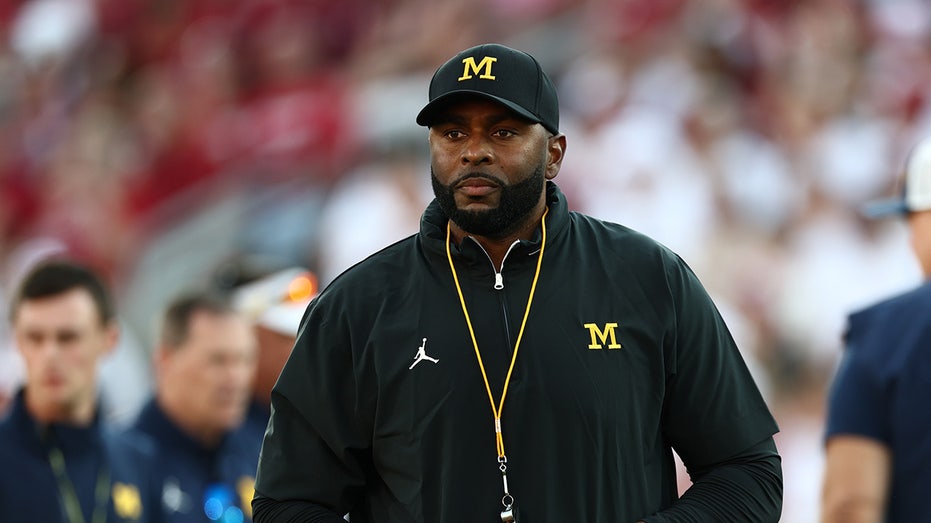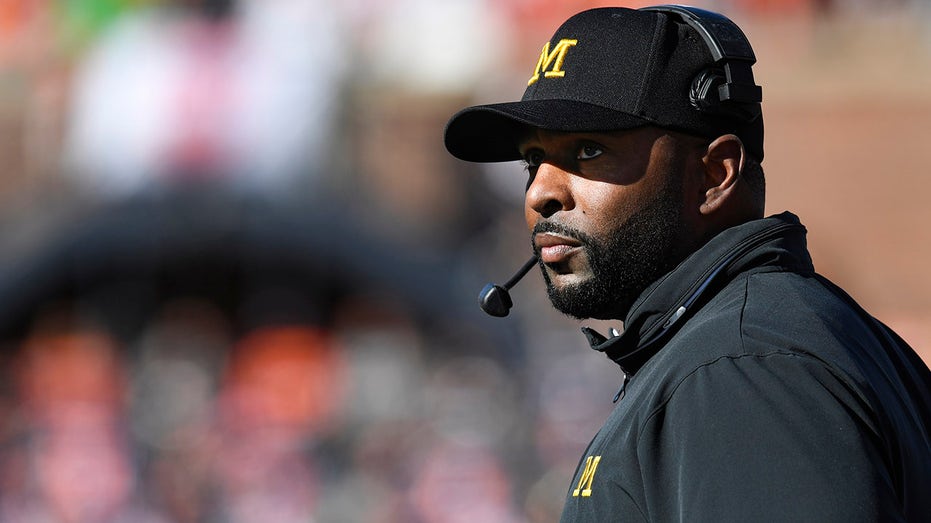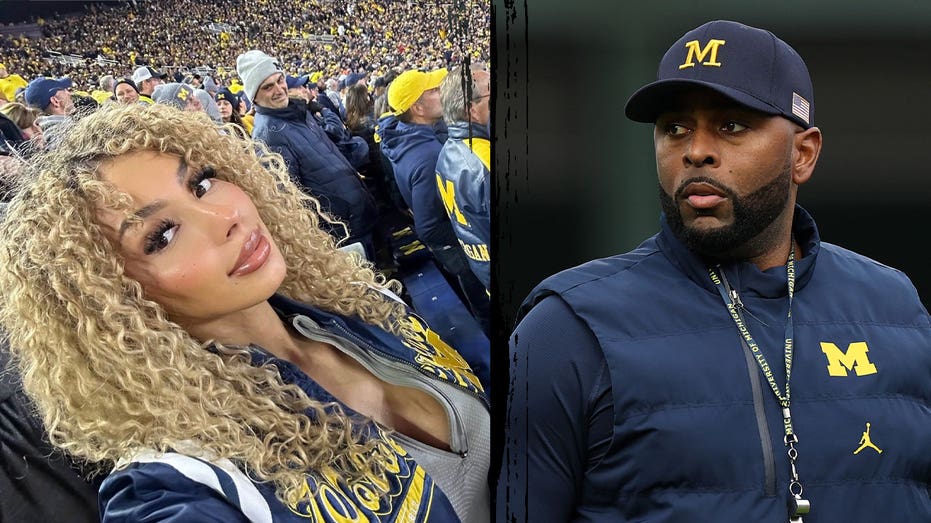
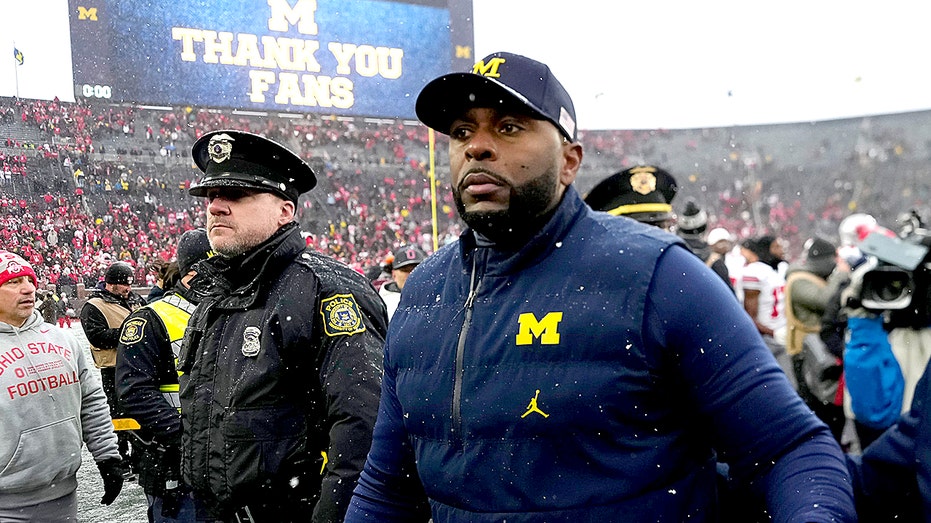
Sherrone Moore’s Stunning Downfall: What Michigan’s Crisis Exposes About Power and Accountability in College Sports

Sarah Johnson
December 12, 2025
Brief
Sherrone Moore’s firing and jailing mark more than a personal collapse. This analysis unpacks what his downfall reveals about power, misconduct, and accountability in big-time college football.
Sherrone Moore’s Collapse at Michigan: What His Downfall Reveals About Power, College Sports, and Accountability
Sherrone Moore’s firing and subsequent jailing are not just the sudden implosion of a rising star coach; they’re a stress test of the modern college sports machine. In less than two years, Moore went from national champion and presumed long‑term heir to Jim Harbaugh, to unemployed, under criminal investigation, and at the center of a campus crisis involving power dynamics, workplace conduct, and violence allegations.
When a high-profile college football coach is removed for an “inappropriate relationship with a staffer” and is then taken into custody in connection with an assault investigation, the story quickly becomes bigger than football. It raises urgent questions about how universities manage powerful athletic figures, how vulnerable lower‑status employees are in those environments, and whether the rules and oversight structures in big‑money college sports have kept pace with the stakes.
The bigger picture: How we got to a breaking point
To understand why Moore’s collapse is so consequential, it helps to look at three intersecting trajectories: the rising power of college football coaches, the tightening expectations around workplace conduct, and the recent scrutiny on Michigan’s football program itself.
1. The era of the mega‑coach
Over the past two decades, college football coaches have accumulated extraordinary institutional power. In many states, they are the highest‑paid public employees. Deals for top coaches often exceed $7–10 million per year, and even coordinators can command seven‑figure salaries. That money buys not just talent, but influence: coaches often become political actors on campus, shaping donor relationships, admissions priorities, and even university branding.
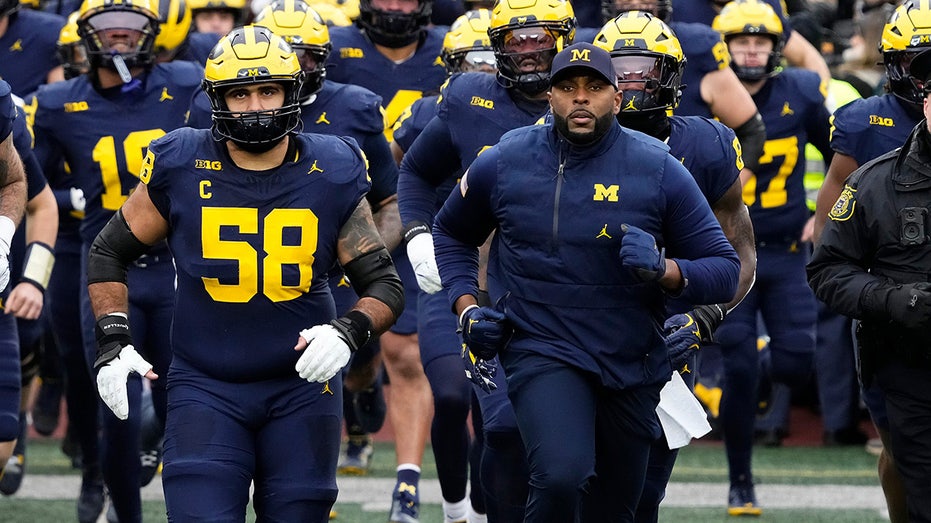
Moore’s rise at Michigan followed this pattern. He developed from a position coach into co‑offensive coordinator and offensive line architect for a program that made back‑to‑back College Football Playoff appearances. When he stepped in as acting head coach during Jim Harbaugh’s suspensions tied to the sign‑stealing probe, he didn’t just fill a gap—he auditioned for the top job in front of a national audience as Michigan marched to an undefeated season and national title.
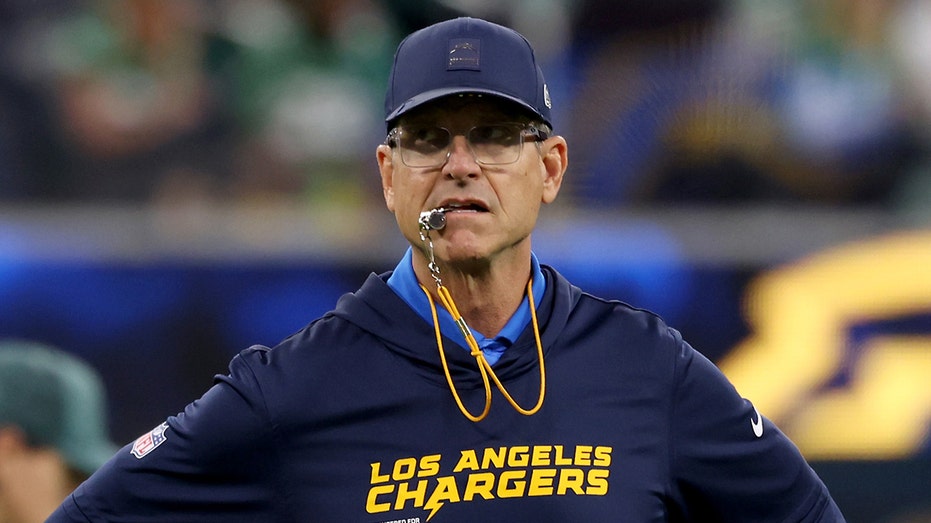
Once Harbaugh moved to the NFL, Michigan’s promotion of Moore to head coach was almost inevitable. Elevating an internal candidate with a championship on his résumé is the textbook way to preserve momentum, reassure recruits, and keep boosters loyal. It also concentrated even more power and visibility in the hands of a relatively young coach who had been rapidly elevated in a system that often rewards on‑field success faster than it builds off‑field guardrails.
2. A changed cultural and legal landscape on misconduct
The allegations now surrounding Moore sit squarely in a dramatically changed environment for workplace and campus conduct. Since the #MeToo movement, major institutions—including universities—have been forced to overhaul policies on sexual harassment, power‑imbalanced relationships, and workplace violence. Romantic or sexual relationships between supervisors and subordinate staff, once shrugged off or quietly managed, are now widely recognized as potential violations of policy because of coercive dynamics and conflicts of interest.
Many universities have moved toward explicit bans or strict reporting requirements for relationships where one party has authority over the other’s employment, evaluation, or work environment. When Michigan says it found “credible evidence of an inappropriate relationship with a staffer,” it is signaling both that there is a power imbalance and that internal policies may have been violated, irrespective of whether any criminal charges are ever filed.
The subsequent police statement that officers responded to a home as part of an assault investigation, and that the incident “does not appear to be random,” adds another layer. While Moore has not been charged as of publication and is entitled to the presumption of innocence, the combination of a workplace‑power allegation and a domestic or interpersonal violence investigation is precisely the scenario universities are under intense pressure to handle decisively and transparently.
3. Michigan football already under scrutiny
Moore’s downfall does not occur in a vacuum. Michigan’s program has been under national scrutiny for the sign‑stealing scandal that led to multiple suspensions for Harbaugh and contributed to a narrative of a program skirting the edges of NCAA rules. Moore himself served suspensions related to that investigation.
Even though on‑field infractions and personal conduct issues are different categories, they blur together in public perception. When a program is already viewed as operating close to the line, new allegations—especially involving power abuse or violence—hit much harder. Administrators know this, and it likely shaped the speed of Michigan’s response: firing Moore swiftly after determining the existence of “credible evidence” rather than entering into a protracted internal process that could be framed as protecting a winning coach.
What this really means: Power, vulnerability, and institutional risk
1. The dangerous mix of celebrity and hierarchy inside athletic departments
Moore’s case highlights a core structural problem in big‑time college sports: coaches operate at the intersection of celebrity culture and rigid hierarchies. On one side, they are treated as public heroes when they win; on the other, they command near‑total authority over a large staff whose careers, schedules, and visibility depend on staying in the coach’s good graces.
In such environments, a staffer allegedly involved in an “inappropriate relationship” with a head coach is almost by definition the less powerful party. Consent becomes complicated when the more powerful person has influence over assignments, references, future employment, and day‑to‑day work climate. Even if a relationship appears consensual on the surface, institutions increasingly recognize the risk that genuine consent cannot be reliably separated from professional pressure.
For universities, that risk is not abstract. It translates into potential Title IX complaints, civil litigation, and reputational damage that can affect applications, donations, and media rights negotiations. The fact that Michigan moved as quickly as it did suggests an institution acting as much to protect itself as to protect the staffer—raising its own questions about whether these systems are fundamentally designed around liability mitigation rather than proactive cultural change.
2. The shifting line between personal life and job fitness
The incident that led to Moore being booked into jail—an assault investigation at a home—sits at a complicated intersection of personal and professional domains. Historically, sports figures have sometimes been insulated when misconduct occurred outside the stadium or training facility, especially when their teams were winning. That line has been steadily eroding.
Professional leagues and universities alike now measure “character” as an element of brand and business risk. Domestic violence and interpersonal assault allegations have ended careers in the NFL, NBA, and college sports even in the absence of convictions. The logic is simple: fans, students, and donors increasingly see tolerance of violence as a moral and institutional failure, not just a PR problem.
Moore’s case will likely become another reference point in this trend. If charges are filed, the public debate will focus not only on his legal guilt or innocence, but on whether institutions should ever again entrust vast power and visibility to a figure whose personal conduct involved such allegations. Even if charges are not ultimately brought, the existence of the investigation will shadow his prospects.
3. The human cost: players, recruits, and families left in limbo
Lost in the focus on Moore’s downfall is the immediate disruption for people who have far less power—but who staked their futures on him. Players who committed to Michigan because they believed in his leadership now face uncertainty. Recruits and their families, who often build multi‑year relationships with a coach before signing, are suddenly forced to decide whether to stay, transfer, or decommit in a sport where timing and exposure can make or break professional aspirations.
Staffers within the program also face collateral damage. Those not directly involved with the incident are suddenly working under interim leadership, preparing for a bowl game amid media scrutiny, and wondering whether they will be retained by whoever ultimately replaces Moore. For them, the story is not about scandal; it’s about job security and reputational splashback from events they did not control.
Expert perspectives: Beyond the headlines
Legal, ethical, and sports‑management experts are likely to see Moore’s case as part of a broader pattern rather than an isolated fall.
Title IX specialist and sports law professor Deborah Brake has long argued that romantic or sexual relationships between powerful coaches and subordinate staff carry built‑in coercive potential. In past commentary on similar cases, she has emphasized that institutions cannot simply rely on “consent” as a shield, because the power imbalance makes genuine voluntariness difficult to evaluate.
From an organizational perspective, sports management scholars like Dr. Karen Weaver have pointed out that athletic departments are often structurally misaligned: they operate as quasi‑commercial enterprises inside educational institutions, but with much looser oversight than academic units. That gap can create environments where star coaches feel they answer more to donors and athletic directors than to university‑wide ethical norms.
Ethicists focusing on leadership, such as Northwestern’s Alice Dreger, have drawn a straight line between how institutions handle high‑profile misconduct and the behaviors they tacitly encourage. When winning buys leniency, boundaries erode. When misconduct leads to swift consequences—even for champions—it sends a different internal message about what actually matters.
Data & evidence: A recurring pattern in college sports
While every case has unique details, the outlines of the Moore story echo a worrying trend line:
- Coaches and staff discipline: Studies and compiled media databases show dozens of FBS head coaches and assistants have been forced out over the past decade due to personal misconduct, ranging from sexual relationships with staff or students to domestic violence, DUI arrests, and harassment allegations.
- Title IX scrutiny: The U.S. Department of Education has logged hundreds of Title IX complaints involving athletics in the past ten years, including failures to respond to sexual harassment or assault by athletic staff.
- Institutional risk management: Insurance and risk‑management consultants report that claims and settlements linked to misconduct in athletics have become a significant line item for universities, driving up liability costs and incentivizing more aggressive policy enforcement.
Moore’s case will likely be studied alongside other high‑profile collapses—such as those at Baylor and elsewhere—where a combination of institutional adulation and inadequate oversight set the stage for personal misconduct to have outsized consequences.
Looking ahead: What to watch
1. The criminal process and transparency
The immediate question is whether prosecutors will bring charges in the assault investigation. If charges are filed, the probable cause documents and court filings may clarify the relationship between the alleged assault and the “inappropriate relationship” cited by Michigan. If charges are not pursued, pressure will mount on Michigan to explain, at least in general terms, the basis for its internal findings while balancing privacy and legal constraints.
The level of transparency Michigan chooses will set a precedent. Too little, and the university may be accused of secrecy or spin; too much, and it risks legal exposure and further harm to those directly involved.
2. Michigan’s internal reforms
Regardless of the legal outcome, Michigan will face pressure to show this was not just about removing one coach. Expect questions about:
- Whether staff had safe channels to report concerns about relationships or behavior within the football program.
- What kind of training and clear policies existed for coaches regarding relationships with staff and for handling personal disputes that could spill into work.
- Whether oversight of the athletic department will be strengthened, possibly with more direct reporting to central university leadership rather than siloed control by athletics officials and major donors.
3. Moore’s future and the rehabilitation question
Another difficult conversation will revolve around whether—and under what conditions—figures like Moore should be allowed to reenter the profession. College sports has a long history of “second chances,” particularly for talented coaches. But that tradition is increasingly being challenged when misconduct involves interpersonal violence or exploitation of power.
How the industry treats Moore in the coming years will say as much about the culture of college sports as the events that brought him down.
The bottom line
Sherrone Moore’s downfall is not just a story about one coach’s personal choices; it is a case study in the risks that arise when immense power, weak oversight, and evolving standards of workplace conduct collide inside a multibillion‑dollar sports ecosystem. Michigan’s rapid decision to fire a recent national champion signals how much the ground has shifted. The real test will be whether the university and the wider college sports world treat this as a one‑off scandal to move past—or as a structural warning they can’t afford to ignore.
Topics
Editor's Comments
What stands out in the Sherrone Moore case is how predictable the structural risk was, even if the specific incident was not. When institutions centralize brand identity, donor relations, and competitive success in a single figure, they create enormous asymmetries of power. Those asymmetries are dangerous not just because an individual might abuse them, but because they subtly discourage those around that individual from speaking up early, when interventions are most effective. One overlooked question is whether anyone inside Michigan’s ecosystem saw warning signs—boundary issues, volatile behavior, blurred lines with staff—and either normalized them because Moore was winning, or lacked safe channels to raise concerns. If the story is framed only as a personal fall from grace, the institution escapes deeper scrutiny. The more uncomfortable but necessary conversation is about why high-reward, high-pressure environments repeatedly produce similar scandals, and what it would take to redesign them so that individuals’ choices are constrained by healthier norms and stronger oversight—before a crisis erupts.
Like this article? Share it with your friends!
If you find this article interesting, feel free to share it with your friends!
Thank you for your support! Sharing is the greatest encouragement for us.