Beyond the DMs: What the Sherrone Moore Scandal Reveals About Power, Sex, and Digital Risk in College Sports

Sarah Johnson
December 12, 2025
Brief
Sherrone Moore’s firing isn’t just a scandal about DMs and infidelity. It reveals how social media, sex work stigma, and post-#MeToo liability are transforming power, privacy, and accountability in college sports.
Sherrone Moore, OnlyFans DMs, and the New Power Politics of Sports Scandals
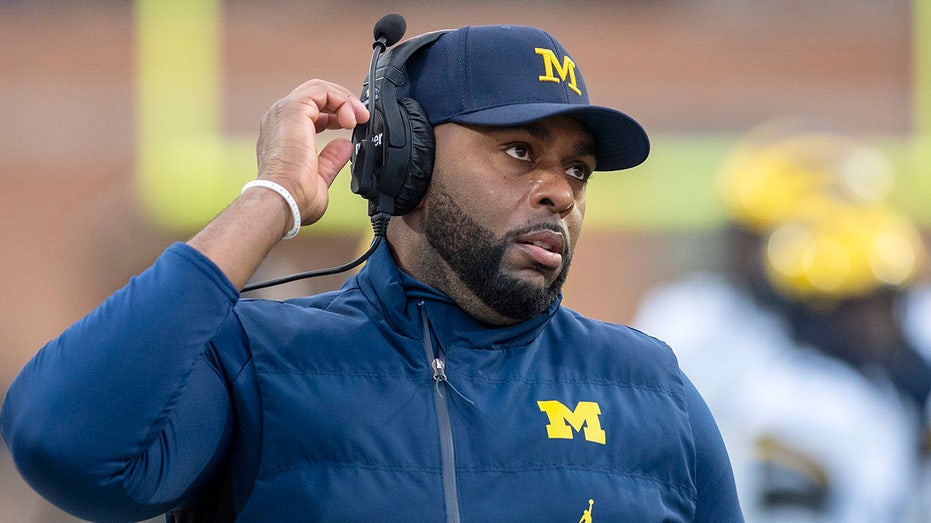
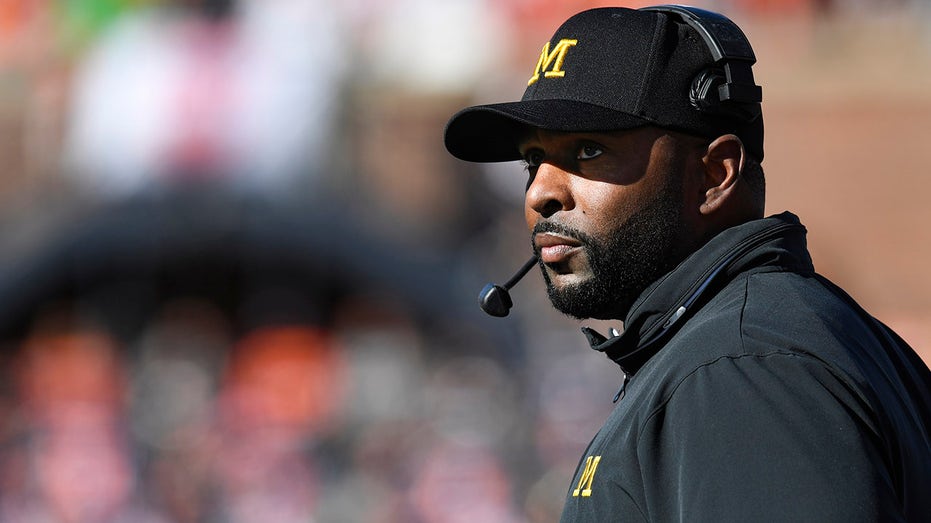
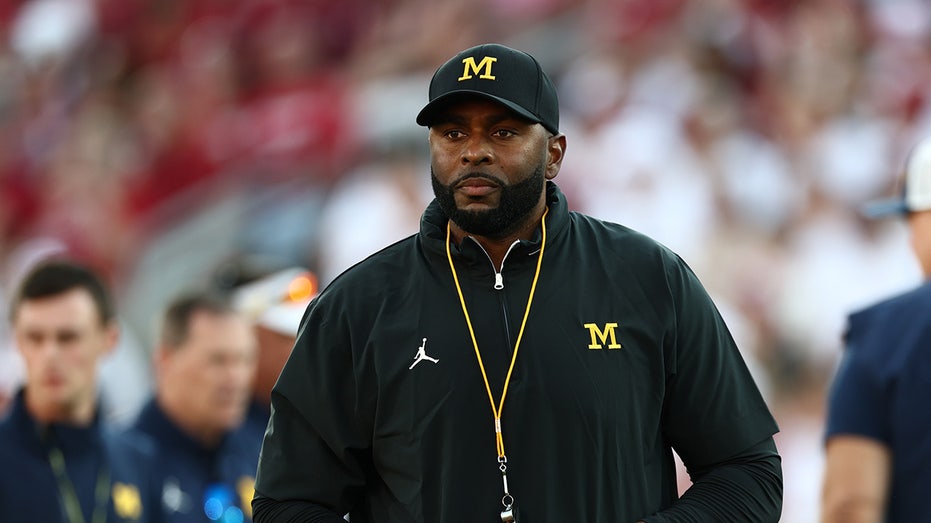
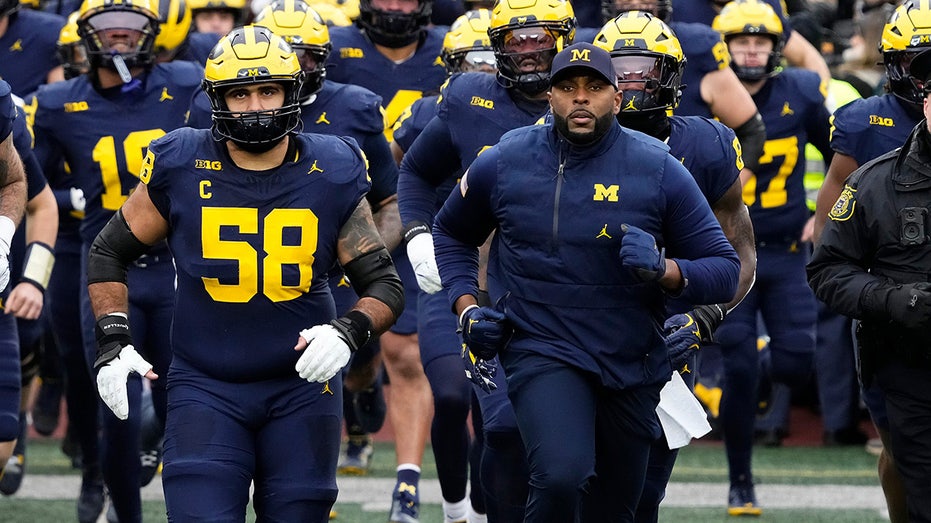
The firing and arrest of former Michigan head football coach Sherrone Moore is no longer just an internal HR issue or a routine sports scandal. The revelation that an OnlyFans model claims Moore "slid into" her DMs — layered onto allegations of an inappropriate relationship with a staffer and a social media trail of follows and interactions — turns this into a case study in how digital culture, sex work stigma, university risk management, and the economics of big-time college athletics now collide.
What looks on the surface like another morality play about a married coach behaving badly is, underneath, about three much bigger shifts:
- The way social media forensics now shape reputations and hiring decisions in real time.
- The changing landscape of sex work, OnlyFans, and how institutions respond when those worlds intersect with high-profile employees.
- The escalation of university and athletic-department risk tolerance after years of high-profile abuse and misconduct scandals.
Moore’s alleged DMs and follows are not, by themselves, a crime. But they are becoming central to how the public — and increasingly, university lawyers and regents — assess character, judgment, and institutional exposure.
The Bigger Picture: From Private Vice to Public Evidence
Twenty years ago, this kind of story would likely have leaked as gossip in booster circles or local bars. Today, the forensic trail is digital, permanent, and searchable.
Within hours of Moore’s dismissal and booking into the Washtenaw County Jail, fans and critics on X (formerly Twitter) were combing through his Instagram follows and past posts. They quickly surfaced a pattern: numerous OnlyFans and Instagram models, including college-aged women, and a 2018 post celebrating attendance at a Kentucky Derby party hosted by Sean “Diddy” Combs — himself now embroiled in serious abuse allegations.
Social media sleuthing is not new, but its speed and influence have changed the power dynamics. In earlier scandals — from Rick Pitino’s Louisville saga to Bobby Petrino’s Arkansas motorcycle crash — the digital footprint played a role, but the primary narrative still came from investigative reporting, legal filings, and official statements. Now, fan-driven online discovery often frames the story before formal details emerge.
That matters for three reasons:
- Reputational risk is crowd-sourced. Universities no longer control the story; fans and critics assemble an informal public dossier within hours.
- Patterns are inferred from follows and likes. A coach’s “following list” becomes circumstantial evidence of character, even when no direct misconduct is proven with those specific people.
- Legal and HR responses are accelerated. Once a narrative of chronic boundary-crossing behavior takes hold online, institutions feel pressure to move quickly to demonstrate zero tolerance.
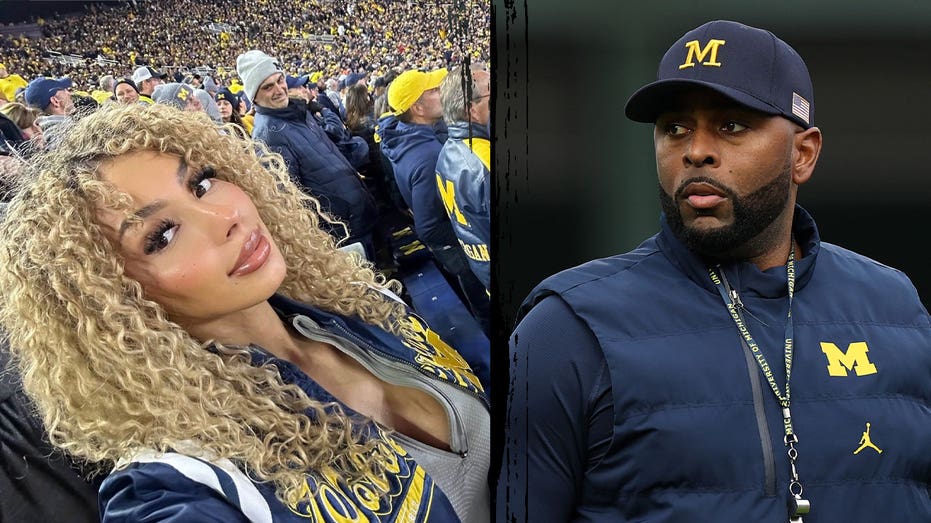
In that environment, the claim by OnlyFans creator Mia Sorety that Moore was “all in my DMs trying to risk it all” is not just salacious detail. It reinforces an emerging portrait of a coach treating his public-facing social media as a private playground, despite holding one of the most visible and scrutinized jobs in college sports.
What This Really Means: Power, Consent, and Institutional Liability
The formal reason Michigan cites for firing Moore is critical: an “inappropriate relationship with a staff member” in violation of university policy, framed by President Domenico Grasso as a “breach of trust.” That is not a vague moral condemnation; it is legal language born directly out of the #MeToo era, Title IX reforms, and high-profile institutional failures.
In the past decade, universities have collectively paid hundreds of millions of dollars in settlements and judgments involving sexual misconduct and abuse by powerful insiders. The lessons learned — often under the glare of congressional hearings and federal investigations — are unmistakable:
- Power dynamics in workplace relationships matter as much as nominal consent.
- Organizations are liable not only for abuse, but for cultures that enable severe conflicts of interest and coercion.
- Failure to act swiftly is often punished more harshly than failure to prevent misconduct.
Against that backdrop, the allegations surrounding Moore fall into a familiar high-risk category for institutions:
- A high-profile male authority figure with immense power over careers and opportunities.
- An intimate or sexual relationship with someone in the organizational hierarchy.
- A digital trail suggesting broader patterns of boundary-pushing behavior with young women.
Even before potential criminal charges are filed, those three elements combine to present an unacceptable liability exposure for a modern university — particularly one with Michigan’s recent history of dealing with past abuse cases in its athletic and medical systems.
Michigan’s swift termination “with cause” after internal findings were presented signals a decisive institutional calculation: whatever the legal outcome of the assault investigation, keeping Moore in place after verified policy violations would risk not just reputational damage but potential legal consequences under Title IX and employment law.
OnlyFans, Sex Work Stigma, and the Double Standard
The OnlyFans angle introduces a second, under-examined layer: how institutions and audiences treat sex workers and creators, and what it reveals about our cultural double standards.
On its face, a public figure privately messaging an adult OnlyFans creator is not inherently illegal or even policy-violating, assuming no harassment or coercion. Yet the online discourse rapidly framed Moore’s follows and alleged DMs as proof he was “a cheater” and morally unfit to lead young men.
This raises several tensions:
- Legality vs. respectability. OnlyFans is legal. Many athletes and entertainers follow or interact with creators. But in the conservative culture of college sports — with its rhetoric of “family values” and “leading young men” — association with adult content platforms becomes reputationally radioactive.
- Who gets blamed? Public outrage often lands as much or more on the creator (“OF model,” “fitness influencer”) as on the coach with institutional power, subtly reinforcing stigma around sex work.
- Selective morality. Universities routinely accept money from corporations engaged in harmful practices, yet a coach’s private digital life becomes a morality test, especially when it touches sex work.
At the same time, it’s important not to flatten the issue into mere prudishness. For a married head coach in charge of a marquee program, persistent attempts to “risk it all” with public-facing creators signal judgment problems that extend beyond private taste. The issue is not that he follows OnlyFans models; it’s that, according to the allegations and digital patterns, he appears to have treated his position as compatible with actively pursuing those dynamics while under intense public scrutiny.
That’s what makes Sorety’s comment — “I wasn’t surprised” — so telling. It suggests Moore’s behavior fit a recognizable pattern to those operating in the online spaces he frequented. For institutions increasingly monitoring the online worlds around their employees, patterns are more damaging than one-off missteps.
Expert Perspectives: Digital Footprints, Coaching Culture, and Policy
Several expert lenses help frame what’s happening here.
On digital risk management:
Corporate reputation analyst Dr. Jennifer Lee notes that, “For high-profile employees, social media isn’t a private sandbox. It’s evidence. Boards and presidents now assume that any pattern visible to fans will be visible to plaintiffs’ attorneys and regulators. That fundamentally changes how institutions evaluate ‘off-duty’ conduct.”
On coaching culture and entitlement:
Sports sociologist Dr. Harry Edwards has long argued that big-time coaches often operate within what he calls a “managed bubble of impunity,” where winning seasons soften scrutiny. When that bubble bursts — as it did with former power brokers from Joe Paterno to Art Briles — institutions often overcorrect with zero-tolerance responses.
On workplace relationships and power:
Employment law scholar Professor Deborah Brake has emphasized that policies banning supervisor-subordinate relationships aren’t about policing morality but managing structural coercion: “Even when both parties say it’s consensual, the inherent power imbalance means the institution can’t be confident there’s truly free choice, or that others won’t be disadvantaged by favoritism.”
Moore’s case sits squarely at the intersection of those concerns: a powerful coach, a staff relationship deemed inappropriate by policy, and a digital persona that undermines any claim of isolated misjudgment.
Data & Evidence: How Common Is This?
While detailed, centralized data on coach misconduct involving staff or students is limited, several trends give context:
- A 2020 Knight Commission review found that more than half of FBS athletic departments had revised or strengthened their romantic/sexual relationship policies in the preceding five years, many explicitly banning relationships between coaches and any staff or student over whom they have influence.
- Title IX-related complaints in athletics have risen steadily since the mid-2010s, in part because institutions are now required to have clearer reporting channels and in part because cultural norms around reporting have shifted.
- Social media has played a role in multiple recent firings or suspensions — including coaches dismissed over explicit messages to students, inappropriate DMs, or patterns of following students and young women that raised red flags for compliance offices.
What’s new is less the underlying behavior and more the velocity and visibility with which it becomes public — and the legal framework that compels institutions to act.
Looking Ahead: What This Signals for College Sports
The Moore saga is likely to accelerate several emerging trends in college athletics and higher education:
- More intrusive scrutiny of coaches’ digital lives. Expect athletic departments to expand social media conduct clauses, monitoring, and training. “Don’t DM students” will increasingly be the floor, not the ceiling.
- Tighter bans on internal relationships. Universities will continue moving toward blanket prohibitions on intimate relationships between anyone with supervisory influence and those in their orbit, regardless of ostensible consent.
- Growing tension around sex-work-adjacent platforms. As OnlyFans and similar platforms mainstream, institutions will face harder questions: Is following creators grounds for discipline? Where is the line between private adult behavior and reputational risk?
- Faster termination decisions. The Michigan president’s language about “swift and decisive action” is not rhetoric; it’s a legal shield. Other universities will take note: delay can be more expensive than a hasty firing.
There’s also a cultural dimension that will unfold more slowly: how fan bases reconcile their desire for winning with a tightening standard of personal conduct for coaches. As NIL money and the transfer portal give athletes more leverage, the moral pedestal for coaches may become both higher and more fragile.
The Bottom Line
Sherrone Moore’s alleged DMs to an OnlyFans creator, his social media pattern of following young women, and his attendance at a party later linked to an embattled mogul are not independent curiosities. They form part of a composite portrait that, when combined with an “inappropriate relationship” with a staffer and an active assault investigation, made his position untenable in a post-#MeToo, digitally transparent era.
What this episode ultimately exposes is less a singular fall from grace and more a structural shift: in 2025, the personal, the digital, the sexual, and the institutional are inseparable for anyone entrusted with power in big-time college sports. The question going forward will not be whether universities can prevent every boundary violation — they can’t — but whether they build cultures and policies that recognize that in a world of permanent receipts, “off the field” is increasingly a fiction.
Topics
Editor's Comments
One underappreciated angle in the Sherrone Moore case is how quickly fan-led social media investigations are becoming quasi-oversight mechanisms in college sports. This isn’t just about voyeuristic curiosity; it’s an informal but potent check on powerful figures whose conduct might once have been shielded by closed booster circles and compliant local media. That has democratic benefits—more transparency, fewer protected insiders—but it also raises real concerns. Online sleuthing can conflate morally unpopular behavior with actionable misconduct, and it can create incentives for institutions to act primarily to satisfy an outraged timeline rather than follow a measured process. The danger is that universities may start governing by screenshot, making employment decisions based as much on optics as on substantive harm and due process. The Moore case should prompt a deeper conversation: How do we harness the accountability power of digital transparency without sliding into trial by hashtag, where the loudest narrative, not the most accurate one, determines who survives in public life?
Like this article? Share it with your friends!
If you find this article interesting, feel free to share it with your friends!
Thank you for your support! Sharing is the greatest encouragement for us.