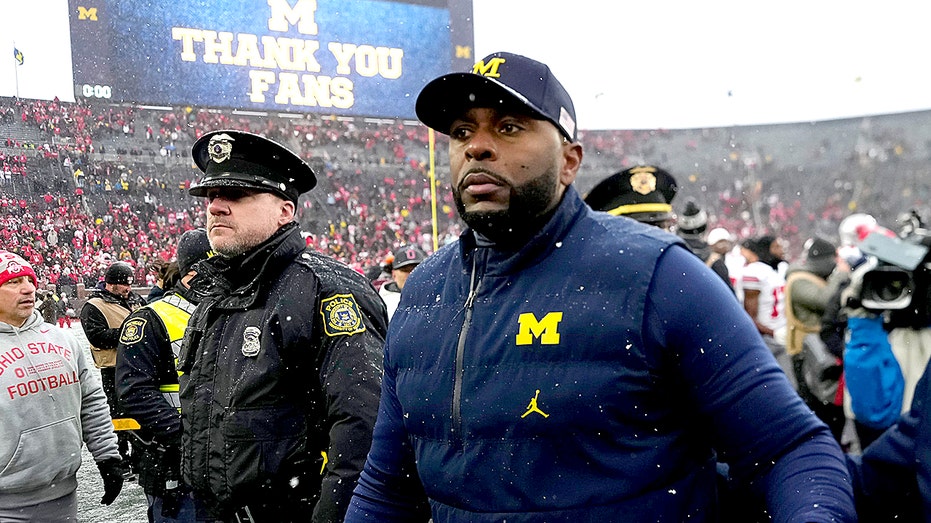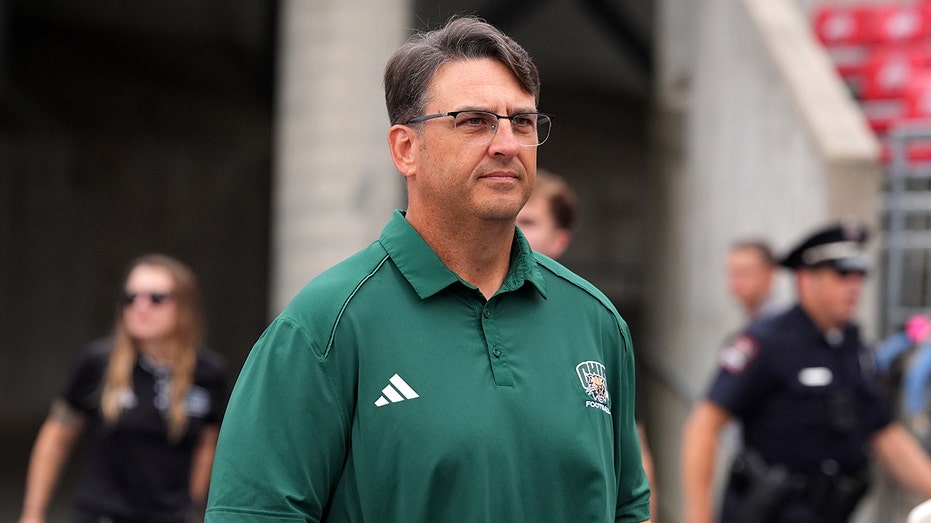
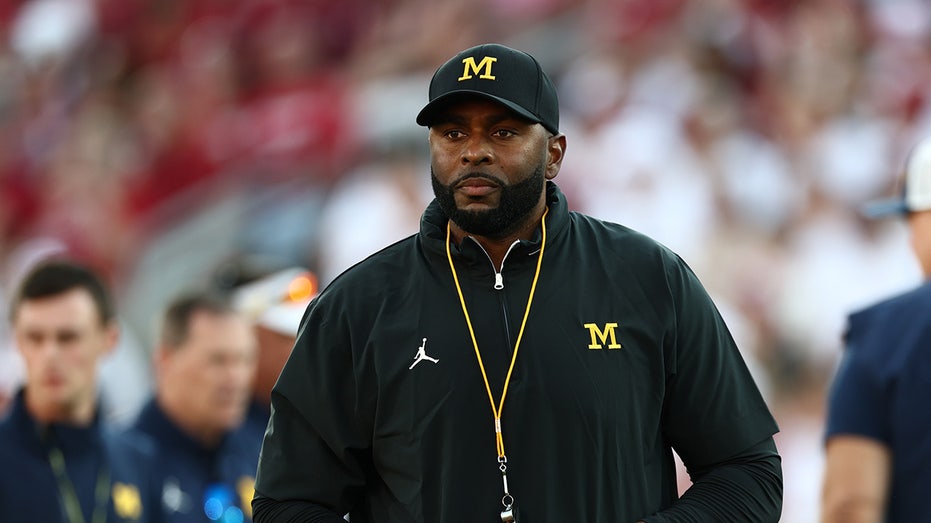
Beyond the Scandal: What Sherrone Moore’s Firing Reveals About Power and Accountability at Michigan

Sarah Johnson
December 12, 2025
Brief
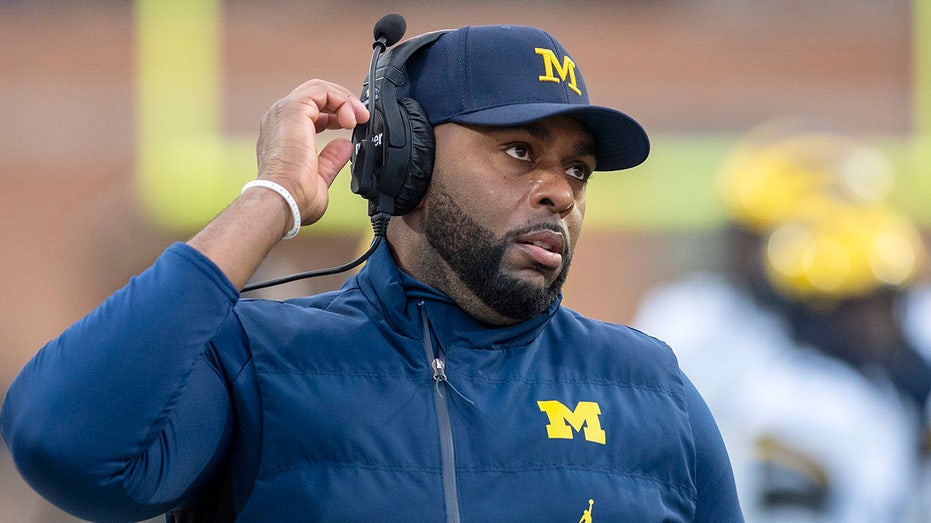
Michigan’s firing of head coach Sherrone Moore isn’t just a scandal—it’s a test case for how far major universities will go to police power, sex, and violence inside big‑money athletic programs.
Sherrone Moore’s Firing Exposes a New Era of Zero Tolerance for Power Abuse in College Sports
When the University of Michigan’s interim president calls a star head coach’s conduct a “breach of trust” and dismisses him with cause only months after a national title run, it’s not just a sports story. It’s a stress test of how far major universities are finally willing—or forced—to go in policing power, sex, and violence inside billion‑dollar athletic programs.
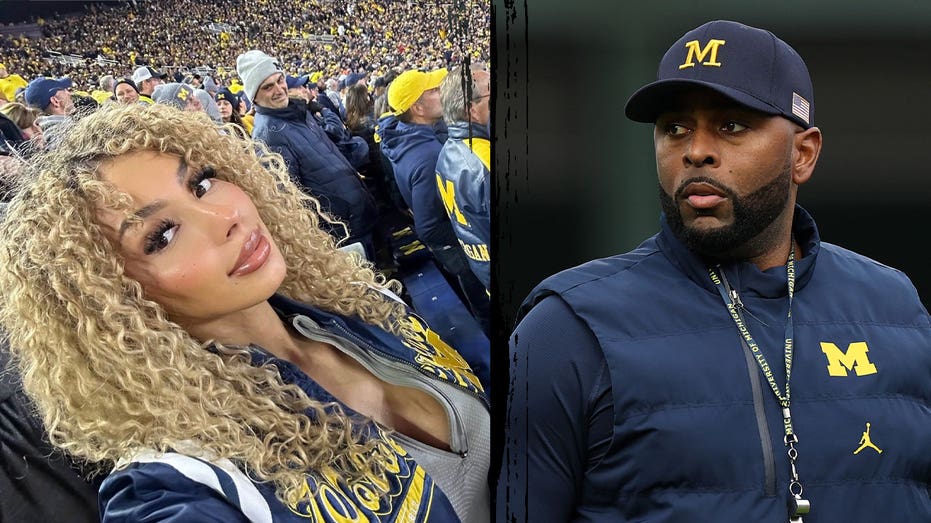
What stands out isn’t only that Sherrone Moore, once the face of Michigan football’s future, was fired over an alleged inappropriate relationship with a staffer and then jailed in a separate assault investigation. It’s the speed and tone of the university’s response: a mass email from the interim president, explicit moral language, and a public request that students report additional information.
That combination signals something bigger: the hard pivot from an era when winning coaches were treated as untouchable to one where they may be the institution’s biggest liability.
How We Got Here: Michigan’s Long Shadow of Scandals and Reform
Michigan’s language about “no tolerance” and “breach of trust” doesn’t emerge in a vacuum. The university has spent the last decade trying to claw back credibility after a series of high‑profile failures that blurred lines between athletics, sexual misconduct, and institutional power.
- The Robert Anderson scandal: For decades, team doctor Robert Anderson allegedly abused hundreds of athletes. A 2021 report found university officials ignored complaints going back to the 1970s. Michigan ultimately agreed to a settlement of about $490 million with more than 1,000 survivors—one of the largest sexual abuse settlements in higher education history.
- National context: Nassar, Baylor, Penn State: Michigan’s reckoning followed similar disasters elsewhere—Larry Nassar at Michigan State, serial abuse and cover‑ups at Baylor football, and the Jerry Sandusky scandal at Penn State. Across these cases, common patterns emerged: charismatic coaches, insular athletic departments, and institutions slow to confront misconduct that threatened brand and revenue.
- Policy overhauls: In response, universities, including Michigan, expanded Title IX offices, strengthened mandatory reporting rules, and created compliance hotlines. But critics say the cultural change has lagged behind the policy paperwork.
Against that backdrop, Michigan simply cannot afford to appear slow, defensive, or opaque in handling allegations involving a marquee coach. The institution’s risk calculus is fundamentally different in 2025 than it was just a decade ago.
Why the University Moved So Fast
Two moves are particularly telling:
- Firing Moore “with cause” the same day the investigative findings were presented.
- The interim president’s campus‑wide email urging students to report any policy violations and explicitly framing this as a “breach of trust” and a test of institutional values.
This is less about moral awakening and more about converging pressures.
- Legal liability: Under Title IX and employment law, institutions are exposed if they fail to act on credible evidence of policy violations involving power differentials—especially if one party is a high‑status employee like a head coach and the other a staff member who may be subordinate.
- Reputational risk: Post‑Anderson and post‑Nassar, trustees, presidents, and general counsels now assume that internal failures will eventually become public. Acting quickly is a reputational defense strategy as much as it is a moral statement.
- Donor and political pressure: Regents and major donors have watched peers pay hundreds of millions in settlements and see their brands associated with systemic abuse. Their tolerance for “protect the coach at all costs” has eroded.
The phrase “breach of trust” is carefully chosen. It shifts the narrative from “private relationship” to an institutional harm: a leader exploiting power within a community that depends on him for example and stewardship.
Power, Consent, and “Inappropriate Relationships”
One of the most under‑examined aspects of these cases is that the core issue often isn’t whether a relationship was technically consensual—it’s whether it can be treated as meaningfully voluntary in a context of unequal power.
Most modern university policies now treat any romantic or sexual relationship between a supervisor and someone in their reporting line, or someone whose career they can influence, as inherently problematic. Why?
- Power asymmetry: A head football coach at Michigan wields influence far beyond salary and job duties—recruiting decisions, staff promotions, career recommendations, and institutional clout. A staffer linked to him may reasonably fear retaliation or hope for professional advancement.
- Chilling effect: Even if the staffer says the relationship was voluntary, other staff may feel coerced into silence, believing that leadership protects its own.
- Cultural signal: When a top figure ignores clear policies, it signals that rules are optional for the powerful. That corrodes compliance across the system.
That’s why the interim president foregrounded “trust” and “values” rather than the personal or family dimensions of Moore’s actions (he is married with three daughters). The core institutional question isn’t morality in the abstract—it’s the integrity of the power structure that governs students and employees.
Two Tracks: Campus Misconduct and Criminal Allegations
Complicating the story is the separate law enforcement piece: Moore was detained in connection with an assault investigation and remains in custody pending possible charges. Critically, the university’s firing appears tied to policy violations over the inappropriate relationship, while prosecutors are separately evaluating potential criminal charges.
This matters for several reasons:
- Different standards: An internal investigation uses a “preponderance of the evidence” standard—more likely than not. Criminal charges require probable cause, and conviction requires proof beyond a reasonable doubt. Universities can and often do act before prosecutors decide.
- Risk management: By terminating Moore based on internal findings, Michigan insulates itself from the argument that it knowingly kept a potentially dangerous individual in a position of public prominence.
- Public confusion: Many fans and observers will conflate the two processes. That confusion can fuel backlash—some will say the university “rushed to judgment,” others that law enforcement is moving too slowly. Both sides may misunderstand that these are parallel but distinct tracks.
The prosecutor’s office has already signaled that the investigation is active and complex enough that charging decisions won’t be immediate. That delay creates a vacuum where narratives—often driven by fandom, not facts—can flourish.
The Business of Football Meets the Politics of Accountability
Michigan football is not just a sports program; it is a cultural and financial engine. According to public financial reports, Michigan’s athletic department generates well over $200 million annually, with football as the anchor. The program fuels donor giving, merchandise sales, media deals, and applicant interest.
Removing a high‑profile head coach, especially after recent on‑field success and amid high expectations, is costly on multiple fronts:
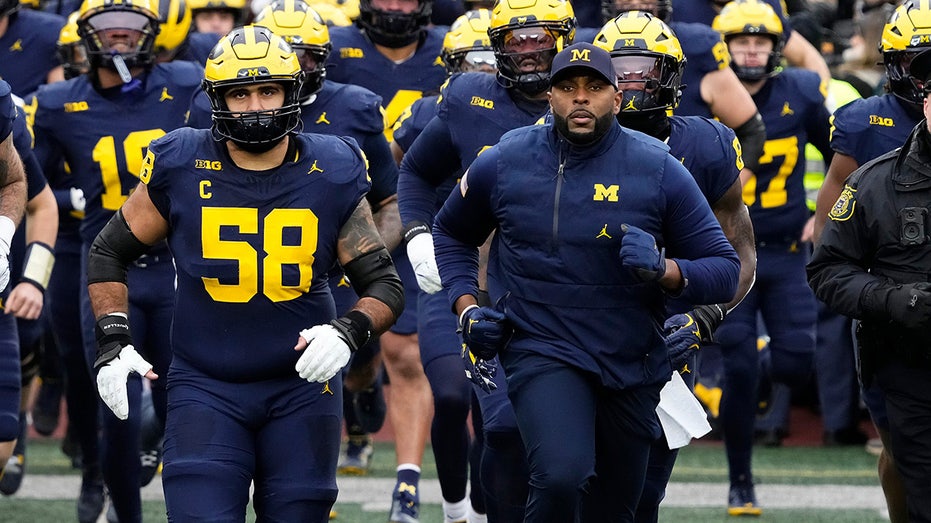
- Short‑term performance risk: An interim coach, Francis Xavier “Biff” Poggi, now steps into an already high‑pressure postseason game. While players are used to instability—Moore himself stepped in during Jim Harbaugh’s suspension—this is a different magnitude: the head coach’s brand suddenly turned toxic.
- Recruiting and retention: High‑school recruits and current players have to decide whether they trust the program’s stability. In the transfer portal era, athletes can move more freely; a perception of chaos or mistrust can have immediate roster consequences.
- Donor dynamics: Some boosters will quietly applaud the zero‑tolerance approach; others may resent what they see as institutional overreach into the private lives of highly paid coaching talent. Administrators are walking a tightrope.
But the broader trend is clear: universities are increasingly recalibrating the equation that once favored protecting star coaches at almost any cost. The reputational and legal price of inaction has grown higher than the competitive cost of cutting ties.
What’s Different About This Moment
Three elements distinguish this case from similar controversies a decade ago:
- Proactive communication: An interim president directly emailing students, naming the coach, describing the violation, and inviting information through a compliance hotline is a far cry from the euphemistic “personnel matter” statements of the past.
- Linking athletics to campus culture: The message explicitly ties the handling of a football coach to the broader “safe and respectful environment” the university has been trying to build. It’s an attempt to close the historic gap between how star athletics staff are treated and how everyone else is.
- Student empowerment: By urging students to report violations, leadership subtly acknowledges that institutional oversight alone is not enough. Students, staff, and even fans are being invited into a shared governance role—at least rhetorically.
Whether that rhetoric translates into consistent practice will be one of the key tests in the months ahead, especially if new information surfaces that suggests others knew about or enabled the misconduct.
Expert Perspectives: The New Compliance Battleground
Legal and ethics experts say cases like this are becoming a litmus test for whether universities truly understand their obligations in the post‑Nassar, post‑Anderson era.
Title IX scholars point out that romantic relationships between supervisors and subordinates are now treated by many institutions as presumptively problematic, even absent allegations of harassment or force. The question is no longer “Was there consent?” but “Was there an abuse of power?”
Sports governance experts add another layer: as college athletics move toward more explicit professionalization—NIL deals, potential athlete employment status, expanded playoffs—the behavior of coaches increasingly looks less like faculty conduct and more like corporate executive conduct. Boards and presidents are matching that with executive‑style accountability.
What Comes Next: Culture, Cover‑Ups, and Credibility
Several key questions will determine how consequential this episode becomes for Michigan and for college sports more broadly:
- Who knew what, and when? If it emerges that other administrators or athletics staff knew of the relationship or earlier red flags and failed to act, the story shifts from individual misconduct to systemic failure—and that’s when federal oversight, civil litigation, and external investigations often follow.
- How independent was the investigation? Transparency around who conducted the inquiry, what evidence was reviewed, and how staff were protected from retaliation will shape trust in the process, especially among students and employees.
- Will Michigan apply these standards universally? The real test of a “zero‑tolerance” culture is whether lower‑profile staff and non‑athletics departments are treated with the same seriousness—and whether future cases involving prominent figures receive similarly swift action.
- How will fans and alumni respond? Universities are increasingly trying to retrain their own fan bases to see accountability not as disloyalty to the program, but as a condition for its long‑term legitimacy.
In that sense, what happens off the field in the coming weeks—internal audits, policy clarifications, town halls, and the handling of the criminal case—may matter more to Michigan’s future than the score of the Citrus Bowl.
The Bottom Line
Michigan’s decision to fire Sherrone Moore and publicly frame his behavior as a breach of trust reflects a new equation in college sports: the cost of protecting star coaches who violate power‑and‑conduct norms now outweighs the cost of cutting them loose.
Whether this marks a genuine cultural shift or an isolated act of damage control will depend on what Michigan does when the cameras move on: how transparently it confronts any institutional failures, how consistently it enforces its own policies, and whether it’s willing to hold the next powerful figure just as accountable.
Topics
Editor's Comments
What’s most striking in this episode is how thoroughly it flips the old script of college athletics. For decades, the implicit rule was that big-time coaches were protected assets—problems to be managed behind closed doors as long as they delivered wins and revenue. Here, Michigan is signaling that a coach can quickly become a liability if he collides with evolving norms around power, consent, and workplace conduct. Yet there is a risk that observers misread this as a completed transformation rather than a strategic response. The real test won’t be what happens to Sherrone Moore—he is already gone—but what happens if evidence surfaces that others knew or enabled the situation. Will the same “no tolerance” rhetoric apply to senior administrators, powerful boosters, or long-tenured athletics officials? The pattern in past scandals is that institutions sacrifice one high-profile figure and declare the culture fixed. The harder, more honest question for Michigan—and for all major programs—is whether they are willing to expose and reform the networks that allowed a star coach to believe those rules did not apply to him in the first place.
Like this article? Share it with your friends!
If you find this article interesting, feel free to share it with your friends!
Thank you for your support! Sharing is the greatest encouragement for us.