Trump’s Vision for Syria’s Prosperity: A Strategic Pivot with Deep Regional Implications

Sarah Johnson
December 3, 2025
Brief
An in-depth analysis of Trump’s call to protect Syria’s path to prosperity, exploring historical context, regional security, diplomatic shifts, and implications for Middle East stability.
Opening Analysis
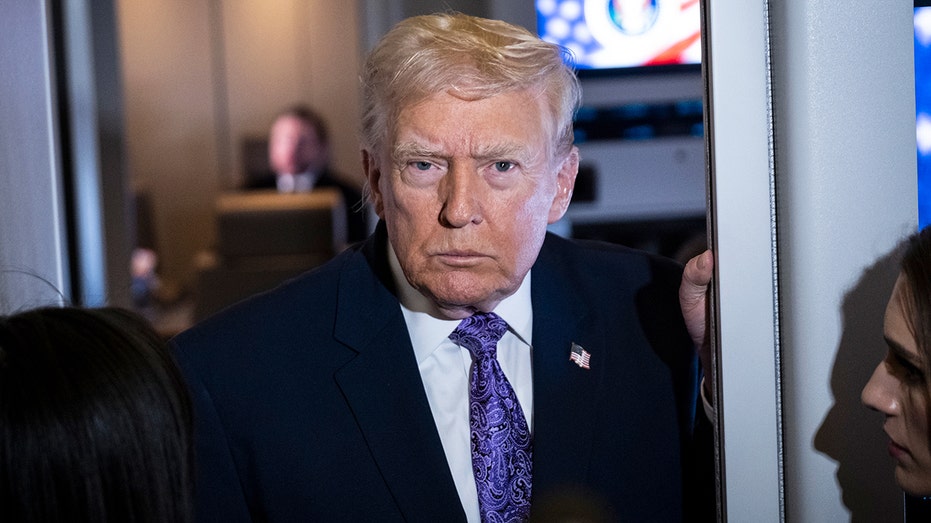
President Donald Trump’s recent comments emphasizing the importance of safeguarding Syria’s "evolution into a prosperous state" carry profound geopolitical weight, especially amid ongoing regional tensions and military actions. His framing of Syria’s future as one of potential prosperity, coupled with his mention of sanction relief and peace prospects with Israel, signals a pivot from decades of U.S. policy largely centered on containment and sanctioning Damascus. This nuanced stance underscores a broader strategic recalibration in the Middle East, raising critical questions about Washington’s long-term objectives and the complex dynamics shaping Syria’s reconstruction and regional stability.
The Bigger Picture
Since the onset of the Syrian civil war in 2011, Syria has been a geopolitical flashpoint involving multiple actors including Russia, Iran, Turkey, Israel, and the United States. Historically, Syria under Bashar al-Assad has been viewed by the West as a pariah regime linked to terrorism and human rights abuses. U.S. policy traditionally entailed economic sanctions, diplomatic isolation, and support for opposition groups opposing Assad’s rule. These measures aimed to pressure Damascus towards political transition, but prolonged conflict and fractured regional alliances rendered such outcomes elusive.
The 2025 appointment of Ahmed al-Sharaa as Syria’s president marks a notable moment. Al-Sharaa, a former diplomat linked to pragmatic factions within the Assad regime, is seen as someone potentially more open to international engagement. Trump’s assertion that his administration lifted "very strong and biting sanctions" suggests a significant policy shift from prior U.S. governments focused on punitive barriers obstructing Syria’s reintegration into the global system.
Moreover, Israel’s recent military operation against the Jaama Islamiya group in southern Syria highlights the persistent security concerns and complex interactions between Syrian sovereignty claims and Israel’s cross-border actions targeting groups it deems terrorist threats. This operation, which reportedly involved clashes wounding Israeli reservists, occurs against the backdrop of fragile talks about Syrian-Israeli cooperation, a topic once thought almost impossible given decades of hostility.
What This Really Means
Trump’s comments articulate an optimism about Syria’s future that diverges sharply from the dystopian images that have dominated coverage of Syria for over a decade. This optimism is not merely rhetorical but reflects an implicit endorsement of a diplomatic normalization process involving Syria, Israel, and potentially other regional actors. The emphasis on a "long and prosperous relationship" between Syria and Israel is particularly striking, considering the historic absence of formal relations and repeated hostilities since the 1948 Arab-Israeli war.
From a U.S. strategic perspective, this can be understood as an attempt to recalibrate alliances. Allowing or even encouraging Syria to stabilize economically and politically could weaken Iranian influence and reduce Russia’s leverage, both key actors entrenched in Syria. Sanction relief further incentivizes Syrian leadership to align with this vision, potentially luring Damascus away from its current patronage networks.
However, this approach is fraught with risks. Critics might argue lifting sanctions prematurely could embolden Assad’s regime without guaranteeing political reforms or addressing human rights issues. Additionally, Israel’s ongoing military incursions underscore that security threats remain acute and that peace may be more tenuous than portrayed.
Expert Perspectives
Dr. Lina Khatib, Director of the Middle East Program at Chatham House: "Trump’s framing of Syria’s evolution as a pathway to prosperity signals a pragmatic engagement trend that Western policy has long avoided, focusing simply on regime change. This shift could open doors for a political reset, but it requires cautious navigation of Syria’s domestic fractures and regional power play, especially regarding Iran and Russia’s roles."
Professor Joshua Landis, Expert on Syrian Affairs, University of Oklahoma: "The Syria-Israel dialogue hinted at by Trump marks a historic, albeit fragile, development. However, operational clashes like the recent IDF raid indicate that trust deficits and security dilemmas endure. The success of peace depends on verifiable commitments beyond rhetoric."
Dr. Emily B. Landau, Senior Research Fellow at the Institute for National Security Studies, Israel: "Israel’s insistence on confronting terror groups within Syria remains a central security concern that complicates any normalization process. While economic prosperity in Syria is an admirable goal, it must be balanced against the realities of asymmetrical threats along the border."
Data & Evidence
- The Syrian conflict has caused an estimated 500,000 deaths and displaced over 13 million people since 2011, decimating infrastructure and economy.
- U.S. sanctions on Syria have targeted key sectors including oil exports and banking; reports indicate sanction relief moves under Trump loosened restrictions on these sectors as of 2025.
- Trade between Syria and neighboring countries remains minimal but saw a 15% uptick in 2024, indicating tentative economic revival attempts.
- Israeli Defense Forces (IDF) reported at least four wounded reservists and "several terrorists eliminated" during the recent southern Syria operation, reflecting ongoing security volatility.
Looking Ahead
As Syria embarks on this narrative of prosperity and normalization, several developments merit close attention. First, Washington’s policy trajectory will reveal whether the current warming rhetoric solidifies into a sustained reopening of diplomatic channels and reconstruction aid or remains narrowly transactional.
Second, whether Syria and Israel can build genuine, trust-based relations will depend on tangible progress on security arrangements and mutual concessions. Regional actors such as Iran, Russia, and Turkey—each with vested interests—may resist or manipulate these dynamics to preserve their own influence.
Third, the human dimension cannot be overlooked: the return of refugees, reconstruction of civil society, and respect for human rights will be critical barometers for Syria’s claimed evolution.
The Bottom Line
President Trump’s declaration is more than political rhetoric; it reflects a significant shift in U.S. engagement strategy with Syria, embracing economic revival and regional cooperation over isolation and conflict. While laden with potential, this approach faces formidable challenges, requiring delicate balancing of security concerns, humanitarian imperatives, and geopolitical rivalries. How this vision unfolds will shape not only Syria’s future but the broader Middle East landscape for years to come.
Topics
Editor's Comments
This development represents a fascinating potential turning point in a deeply protracted conflict, challenging decades of assumptions about Syria’s intractability. Yet it also raises critical questions about the realpolitik driving such shifts: Are economic incentives outweighing concerns about governance and human rights? The interplay of Israel’s security imperatives with Syria’s fragile sovereignty further complicates the equation. As with any geopolitical recalibration, close scrutiny over the coming months is vital to discern whether these statements translate into durable peace or merely temporary tactical posturing.
Like this article? Share it with your friends!
If you find this article interesting, feel free to share it with your friends!
Thank you for your support! Sharing is the greatest encouragement for us.