Behind the Brink: What Trump’s Potential Troop Deployment to Venezuela Reveals About U.S. Policy Shifts

Sarah Johnson
December 5, 2025
Brief
In-depth analysis explores the Trump administration's potential military actions in Venezuela amid drug cartel ties, regional power dynamics, and implications for U.S. foreign policy and national security.
Understanding the Rising U.S.-Venezuela Tensions: What Trump's Potential Troop Deployment Could Entail
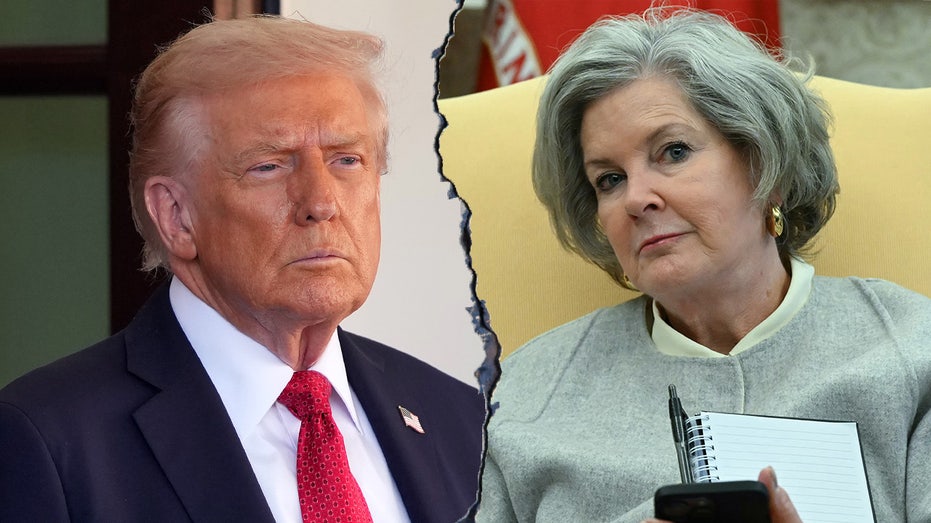
The recent intensification of confrontations between the United States and Venezuela under the Trump administration represents a pivotal moment in U.S. foreign policy in Latin America, echoing decades of geopolitical complexity in the region. At the heart of this unfolding drama is the question: what would it actually take for Trump to order American troops onto Venezuelan soil? Victoria Coates, a former Trump national security advisor, sheds light on the legal and strategic frameworks involved. However, beneath these immediate developments lies a tangle of historical grievances, drug trafficking dynamics, and international relations that demand a deeper understanding of why this matters far beyond surface headlines.
The Bigger Picture: Historical Context and Regional Dynamics
Since the Cold War era, U.S.-Venezuelan relations have oscillated between pragmatic cooperation and sharp antagonism, particularly under the increasingly authoritarian Nicolás Maduro regime. The U.S. has long viewed Venezuela through the prism of ideological rivalry, oil politics, and regional stability—imbuing every policy move with layered symbolism. Notably, recent American warnings echo past U.S. willingness to intervene in Latin America militarily, for instance during the Panama invasion of 1989 and interventions in Grenada and Nicaragua. These historical precedents have left a legacy of skepticism in the hemisphere toward perceived U.S. military adventurism.
What distinguishes the current context is the melding of state and non-state threats. Unlike past interventions primarily justified by Cold War ideological battles or clear military aggression, Trump's administration confronts a 'gray zone' challenge: a foreign government allegedly intertwined with transnational drug cartels posing a direct threat to American national security through the export of lethal narcotics, notably fentanyl and cocaine. This nexus of drug trafficking and state sponsorship complicates existing international norms, raising novel questions about sovereignty and self-defense under Article II powers.
What This Really Means: Strategic Implications and Escalation Risks
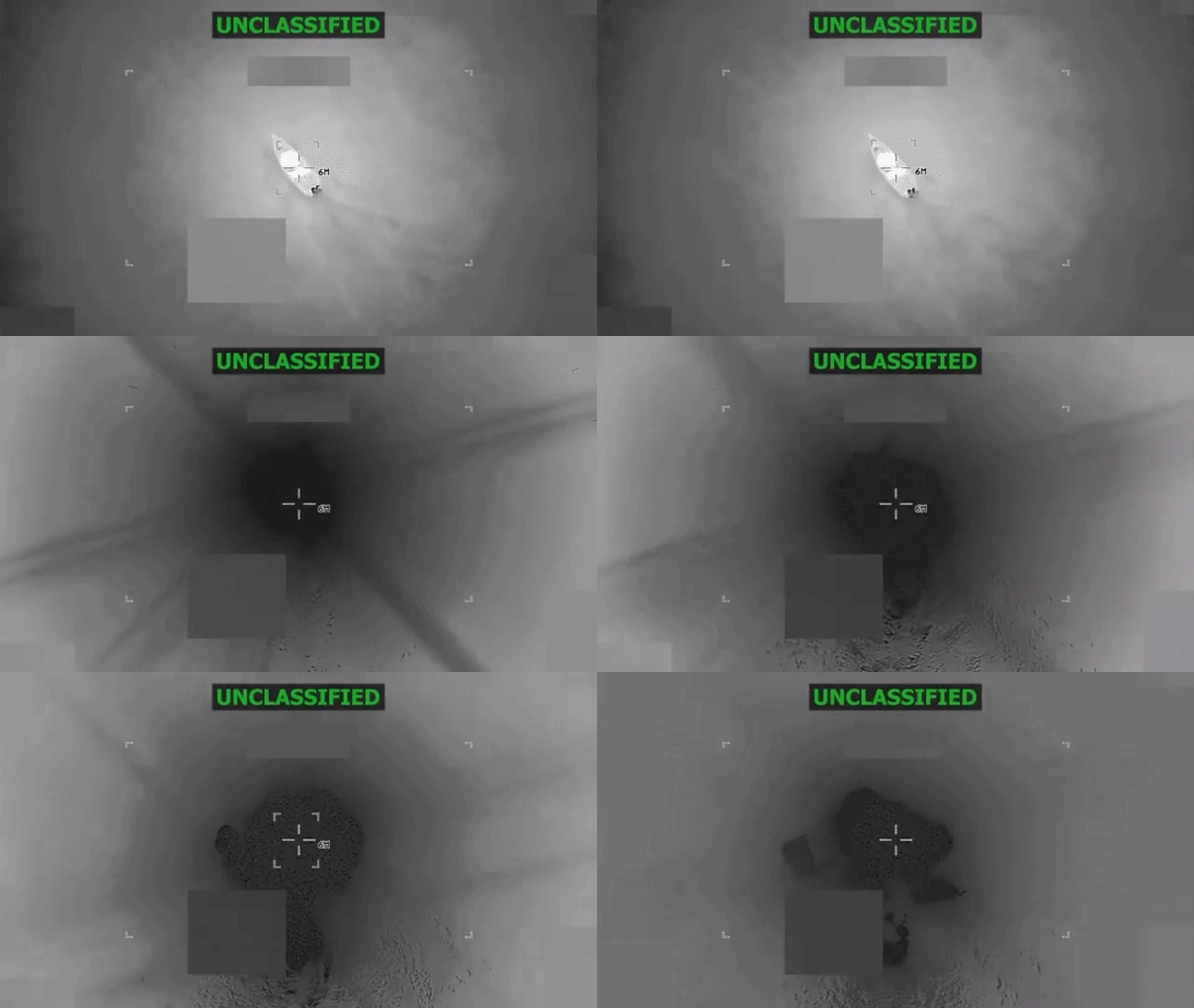
Coates emphasizes that while a full-scale troop deployment remains improbable in the immediate term, the administration is actively weighing incremental and escalating measures, starting with targeted airstrikes on cartel infrastructure. Such strikes could be viewed as an extension of existing U.S. military actions against drug trafficking in the Caribbean but carry higher stakes given the direct involvement of Maduro's government. The military buildup in the Caribbean, featuring the USS Gerald R. Ford carrier strike group, signifies the most robust U.S. presence in the region since the Iraq War, underscoring the seriousness with which the administration treats the threat.
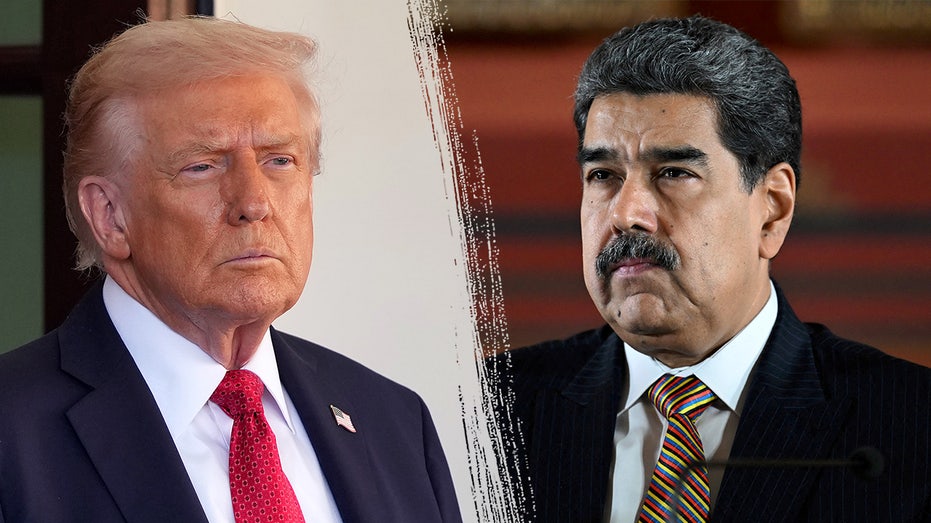
These actions signal a shift in U.S. policy from indirect pressure, such as sanctions and diplomatic isolation, toward explicit hard power demonstrations aimed at convincing Maduro and his military allies to relinquish power voluntarily. However, as Coates warns, the scenario where diplomatic and military pressures fail could lead to rapid escalation—including raids to capture Maduro or broader military intervention. This escalation carries substantial regional risks, including destabilizing Venezuela's fragile social fabric, provoking counter-reactions from allied powers such as Russia and China, and potentially drawing the U.S. deeper into a conflict that lacks clear exit strategies.
Expert Perspectives: Diverse Voices on Complexity and Consequences
National security experts note that confronting a regime entwined with drug cartels represents a novel form of hybrid threat. Dr. Daniel Byman, a senior fellow at a leading think tank on counterterrorism, suggests, "This blurring of state and criminal enterprise complicates traditional military and diplomatic approaches, forcing policymakers to rethink the tools of engagement in Latin America." Conversely, critics caution that deploying troops risks reigniting historical wounds related to U.S. military interventions in the hemisphere, potentially exacerbating anti-American sentiment and destabilizing regional alliances.
Legal scholars also debate the scope of executive power under Article II, particularly regarding unilateral military actions aimed at non-traditional threats. Professor Jane Kim, an expert on constitutional law and national security, notes, "While the president has broad authority to defend the nation, any troop deployment should involve clear congressional authorization to maintain democratic legitimacy and avoid overreach." This discussion highlights the tension between rapid executive action and the need for institutional checks and balances in a highly sensitive geopolitical environment.
Data & Evidence: The Scale of the Drug Threat and Military Posture
Drug-related fatalities in the U.S. have reached staggering numbers, exceeding 100,000 annually, with synthetic opioids like fentanyl being a major driver. Venezuela's drug trafficking infrastructure is reportedly a critical node in this supply chain, with estimates suggesting that the regime facilitates the movement of record quantities of cocaine. These flows not only devastate public health but also fuel organized crime and undermine governance both domestically and in transit countries.
Militarily, the U.S. Caribbean buildup is notable. The deployment of the USS Gerald R. Ford, equipped with advanced electromagnetic catapult technology and formidable air power, marks an escalation in the projection of force. The concentration of such assets signals intent and capability—but also warns adversaries and allies alike of U.S. resolve.
Looking Ahead: What to Watch For
The near-term scenario involves continued pressure through sanctions, limited strikes, and diplomatic isolation aimed at fracturing Maduro's support network. The effectiveness of these measures will depend heavily on the cohesion of Venezuela's military leadership and the willingness of international partners to enforce sanctions rigorously.
Looking further, potential flashpoints include increased clandestine operations to capture key figures or disrupt cartel networks, which could lead to retaliatory violence or destabilize neighboring states like Colombia. Additionally, the degree to which Russia or China deepen their support for Maduro could transform Venezuela into a proxy arena in great power competition, complicating U.S. strategic calculations.
The Bottom Line
The Trump administration’s posture toward Venezuela reflects a growing recognition that traditional paradigms of diplomacy and drug enforcement are insufficient to address emergent threats where criminal networks intertwine with authoritarian regimes. While troop deployments remain a last resort, the combination of military buildup, legal authorities, and targeted strikes signals a willingness to escalate if deemed necessary.
This scenario underscores the importance of nuanced policymaking that weighs not only the immediate national security imperatives but also the long-term regional consequences of potential American military intervention in Latin America.
Topics
Editor's Comments
The Trump administration’s approach toward Venezuela signals a critical juncture in how the U.S. confronts hybrid threats that straddle both state and criminal domains. Unlike traditional diplomatic standoffs, this scenario demands a recalibration of military, legal, and political tools. The historical baggage of U.S. interventions in Latin America adds layers of complexity, suggesting that any decision to deploy troops must weigh not only tactical effectiveness but the profound long-term repercussions for regional stability and America's image abroad. As such, it is vital for the public and policymakers alike to understand that these are not just headline-grabbing moves but a potentially transformative shift in Washington’s Latin America strategy—one that will require strategic patience, clear legal mandates, and robust multilateral engagement to avoid unintended consequences.
Like this article? Share it with your friends!
If you find this article interesting, feel free to share it with your friends!
Thank you for your support! Sharing is the greatest encouragement for us.