Beyond the Brink: Analyzing the Geopolitical Stakes of the Trump-Maduro Standoff

Sarah Johnson
December 4, 2025
Brief
Analyzing the deepening Trump-Maduro standoff reveals complex geopolitical dynamics, waning U.S. options, and the broader strategic implications for hemispheric security and great-power competition.
Why the Trump-Maduro Standoff Marks a Crucial Inflection Point in U.S.-Latin America Relations
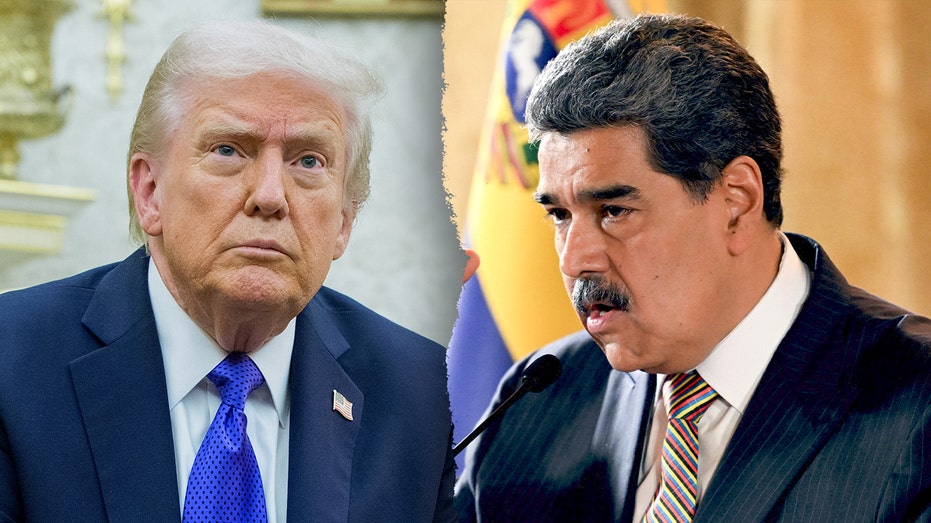
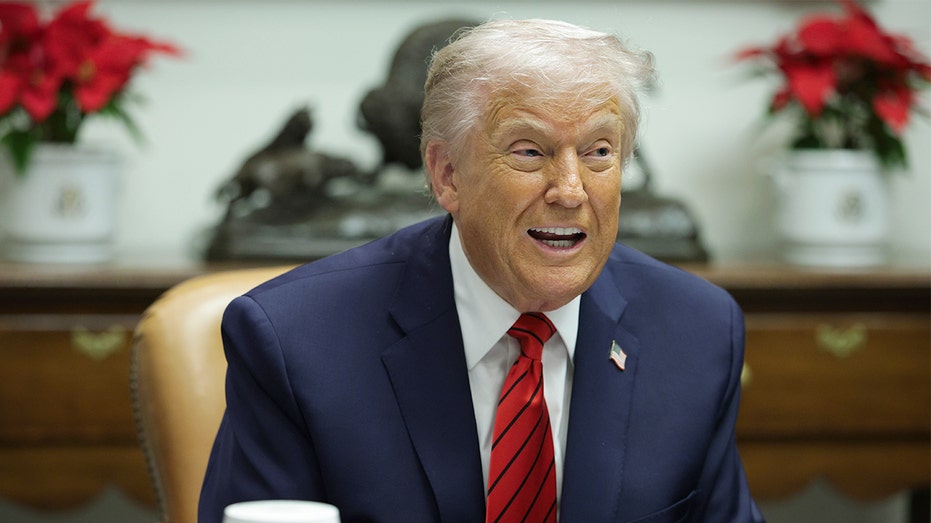
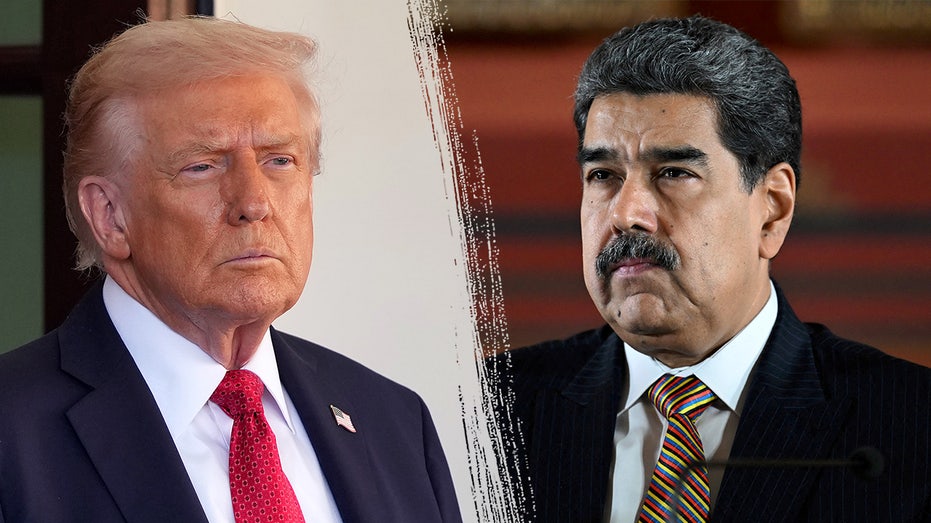
The ongoing confrontation between former President Donald Trump and Venezuelan leader Nicolás Maduro represents more than just a bilateral dispute over regime legitimacy and narcotics trafficking—it is emblematic of a resurgent U.S. focus on hemispheric security, narcotics interdiction, and the limits of American power projection in Latin America. As options to dislodge Maduro shrink without direct military conflict, this standoff exposes the complexities of 21st-century geopolitics where regional influence, superpower rivalry, and domestic political calculus intertwine in ways that could reshape U.S. foreign policy priorities for years.
The Bigger Picture: Historical and Geopolitical Context
For decades, Venezuela’s political turmoil has oscillated between populist regimes and U.S.-backed opposition movements. The Trump administration’s aggressive posture signals a break from the post-Cold War era of cautious engagement in Latin America, instead resurrecting themes of direct pressure reminiscent of Reagan’s anti-communist policies. Yet unlike the Cold War, today’s geopolitical chessboard involves multipolar influence: Russia’s ideological support and China’s economic investments complicate any straightforward U.S. action. Though Russia and China are unlikely to engage militarily, their presence adds layers of strategic uncertainty, forcing Washington to calibrate responses carefully.
Within the hemisphere, Venezuela’s descent into authoritarianism and financial collapse has contributed to one of the largest refugee crises in recent history, destabilizing neighboring countries and fueling regional insecurity. The cartel designation of the Maduro regime extends the conflict from diplomatic dispute into the realm of international narcotics enforcement, underscoring how criminal networks increasingly intersect with state actors.
What This Really Means: The Implications of a Restricted Playbook
According to defense analysts like Katherine Thompson of the Cato Institute, Washington’s conventional tools—sanctions, diplomatic recognition of opposition figures, and targeted strikes against drug operations—have reached diminishing returns. The administration’s limited military buildup in the Caribbean, including deploying the USS Gerald R. Ford, signals a readiness to escalate but also raises questions about overextension amid other global hotspots such as Taiwan and Eastern Europe.
Historically, U.S. interventions in Latin America have been fraught with unintended consequences, from protracted insurgencies to regional blowback. The prospect of a direct strike or invasion, though viable given the imbalance in military capabilities, carries high risk: international condemnation, potential guerrilla insurgency, and exacerbation of humanitarian crises. Moreover, Trump's reported verbal engagement with Maduro and the ultimatum reportedly issued hints at a hybrid strategy blending coercion with back-channel negotiation—a tactic that reflects recognition of the limitations of force alone.
Expert Perspectives: Divergent Views on Outcomes and Risks
Experts across the spectrum highlight contrasting interpretations of the administration’s intensity. John Hardie from the Foundation for Defense of Democracies points out Russia’s strategic discomfort yet lack of capacity to counter a U.S. intervention, noting Moscow’s wariness but pragmatic withdrawal from direct confrontation in the Western Hemisphere. Similarly, China analyst Jack Burnham emphasizes Beijing’s preference for symbolic diplomacy over military involvement, reflecting a broader pattern of risk aversion in conflicts outside its immediate interests.
These insights suggest that while bilateral military confrontation remains unlikely, the standoff serves as a barometer of shifting great-power priorities and tensions. From the U.S. perspective, it tests the resolve and coherence of an "America First" doctrine that paradoxically engages in a region traditionally deemed America’s sphere of influence but often overlooked in recent strategic discourse.
Data and Evidence: Tracking the Escalation
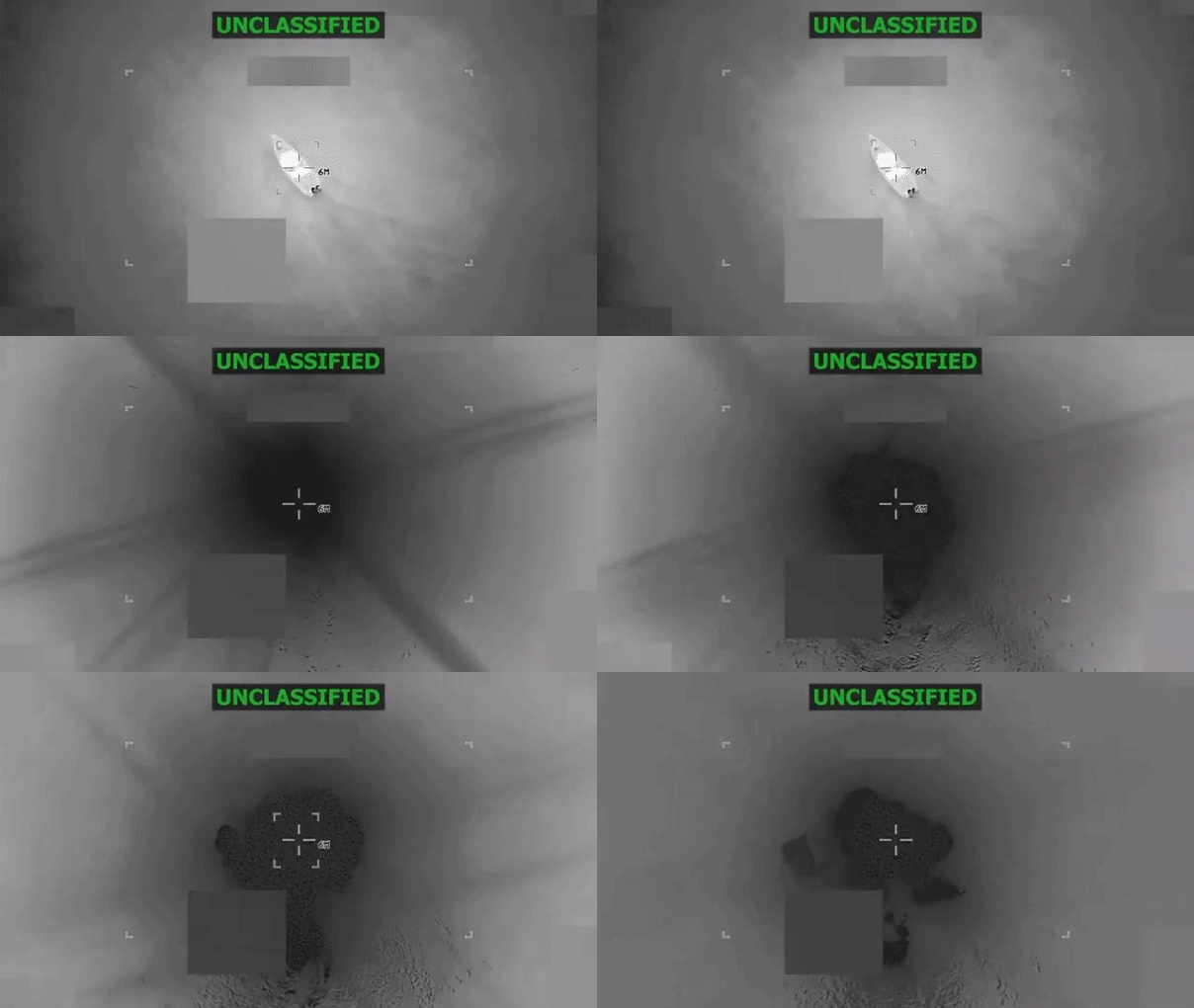
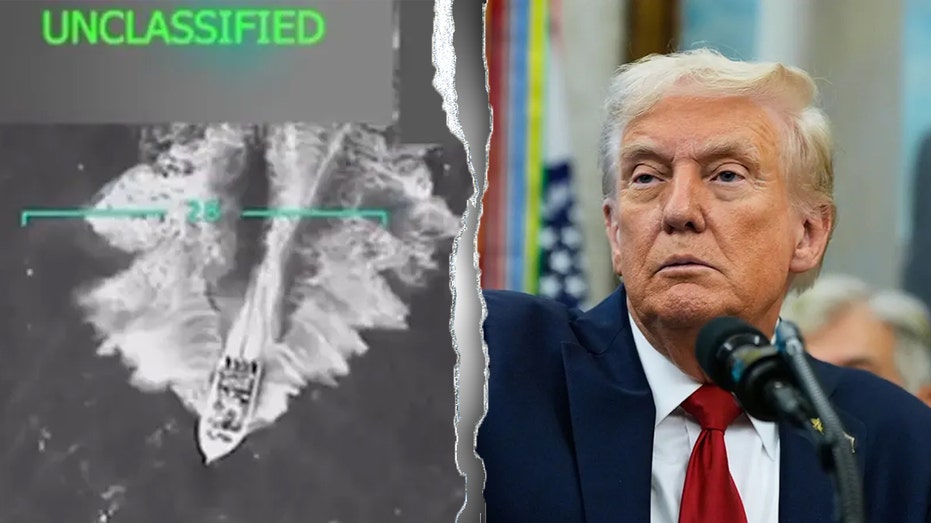
Since early 2025, the Trump administration has launched over 20 high-profile strikes against alleged narcotrafficking vessels linked to the Venezuelan regime's alleged cartel activities. The designation of groups like Tren de Aragua and the Sinaloa cartel as foreign terrorist organizations is unprecedented and signals a securitization of narcotics policy with military implications. The $50 million bounty on Maduro—the largest ever placed on a sitting head of state—underscores the severity with which Washington views the regime’s threat to U.S. domestic security.
The buildup of naval forces in the Caribbean aligns temporally with increased concerns about narcotics-related violence spillover in U.S. border regions, providing a tangible link between foreign policy and domestic public safety priorities. However, the intensification of kinetic operations has also drawn criticism regarding legality and proportionality, igniting debates about executive authority and accountability in overseas military interventions.
Looking Ahead: Potential Scenarios and Strategic Calculations
Looking forward, the trajectory of the Trump-Maduro confrontation will pivot on several variables. On one hand, a diplomatic breakthrough—perhaps facilitated by a quiet deal ensuring Maduro’s safe exit in exchange for regime change—could defuse tensions. On the other hand, the administration’s willingness to expand military options may precipitate a deeper crisis.
International alliances will also play a critical role. If Russia or China subtly increase political pressure on Caracas or take steps short of military engagement, they might influence the regime’s calculus. U.S. domestic politics, including congressional oversight and public opinion about foreign entanglements, will further shape the administration’s latitude.
Critically, the standoff may serve as a case study for how emerging multipolar competition manifests in the Americas, testing the limits of U.S. primacy even in its own backyard. It also raises the perennial question of whether coercive tactics can resolve deep-rooted political and socioeconomic dysfunctions, or merely perpetuate cycles of instability.
The Bottom Line: A Standoff Reflecting Broader Global Dynamics
The Trump administration’s confrontation with Nicolás Maduro is emblematic of evolving U.S. foreign policy dilemmas in an increasingly complex world. It spotlights the tension between assertive hemispheric security ambitions and the practical constraints imposed by geopolitical realities, alliance calculations, and the limits of military power. As Washington contemplates its next moves, the unfolding saga underscores how Latin America remains a critical arena where local crises intersect with global power contests—making any escalation or resolution a matter of profound significance far beyond the immediate conflict.
Topics
Editor's Comments
This standoff crystallizes the limits of American influence in the Western Hemisphere at a time when global power dynamics are shifting rapidly. The Trump administration’s hardline posture may project strength domestically, but risks isolating the U.S. diplomatically, especially if actions are perceived as unilateral or legally contentious. Furthermore, Venezuela’s crisis cannot be decoupled from broader questions of economic collapse, humanitarian catastrophe, and regional migration pressures. In analyzing this, it's crucial to avoid simplistic narratives of 'good versus bad actors' and instead grapple with the geopolitical nuance—and potential unintended consequences—of any escalation. The reported phone contact and ultimatum issued to Maduro suggest that even hardliners recognize the messy reality that military solutions alone likely won’t resolve Venezuela’s entrenched dysfunction.
Like this article? Share it with your friends!
If you find this article interesting, feel free to share it with your friends!
Thank you for your support! Sharing is the greatest encouragement for us.