Putin’s Warning to Europe: Unpacking the Deep Geopolitical Stakes Behind Ukraine War Tensions

Sarah Johnson
December 3, 2025
Brief
An in-depth analysis of Putin's warning to Europe reveals the deep geopolitics behind the Ukraine conflict, exploring its historical roots, strategic implications, expert insights, and the fragile prospects for peace.
Opening Analysis
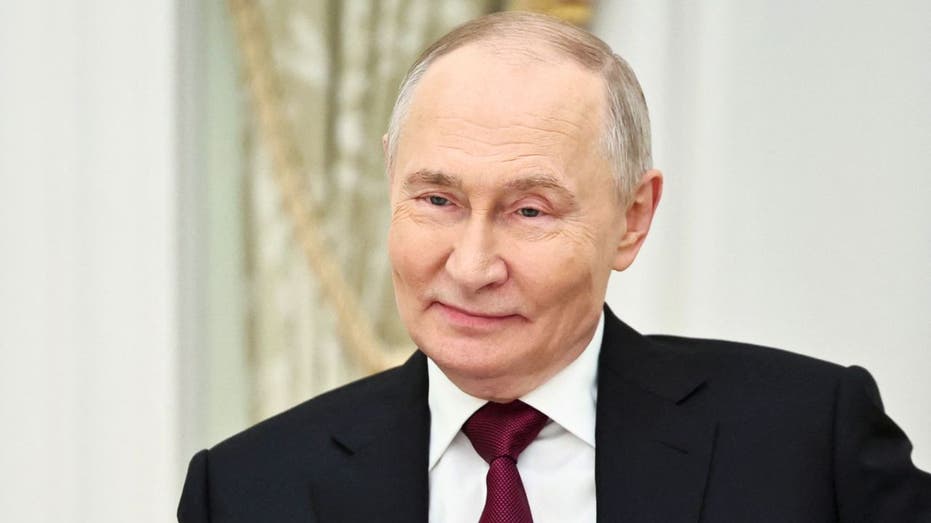
Russian President Vladimir Putin’s recent statement warning Europe that Russia is "ready" if the continent decides to wage war represents more than a routine escalation of rhetorical brinkmanship amid the Ukraine conflict. It underscores a deepening distrust and strategic posturing that harkens back to Cold War-era tensions, while also revealing Moscow’s framing of the conflict in Ukraine as inseparable from broader East-West relations. This moment highlights the fragility of peace prospects, the contested narratives around sovereignty, and the difficult diplomatic balancing act between war deterrence and dialogue.
The Bigger Picture
Putin’s warning echoes decades of adversarial interactions between Russia and European powers, rooted in geopolitical anxieties dating back to the post-Soviet transition. Russia’s insistence on its security interests and sphere of influence has often conflicted with European Union and NATO expansions eastward. The nearly four-year war in Ukraine, which began in 2022 with Russia’s full-scale invasion, intensified these long-standing divisions, pushing Europe into historic levels of military and economic support for Kyiv.
The backdrop of these tensions also involves U.S.-led sanctions, arms supplies, and diplomatic efforts aimed at containing Russian aggression. Putin’s framing of Europe as potentially instigating war serves multiple purposes: to rally domestic nationalism, delegitimize Western support for Ukraine, and assert Russia’s narrative of defensive necessity rather than unprovoked aggression. His reference to "surgical" strikes contrasts with the reality on the ground and signals an attempt to present Russia as restrained, while warning that direct conflict with Europe would be far less limited.
What This Really Means
Putin’s remarks reveal a strategic communication maneuver to both deter further European intervention and influence ongoing peace negotiations. By publicly blaming European leaders for sabotaging peace talks, Putin crafts a narrative of victimhood and reasonableness to justify Moscow’s continued military actions. This plays into broader Russian information strategies that seek to fracture Western unity by sowing doubt about commitment coherence and moral authority.
Moreover, the explicit readiness for war is a signal calibrated to remind Europe of Russia’s military capabilities and the risks of escalation. Putin’s previous warnings about potential nuclear escalation and responses to arms shipments underscore a doctrine of deterrence through ambiguity and threat. However, the invocation of war readiness also raises alarms about the limits of dialogue and the potential for miscalculation, especially amid complex peace talks involving U.S. intermediaries.
The wider implication is a stark reminder that the war in Ukraine is not confined to bilateral conflict but rather intersects with geopolitical competition between Russia and the West. Europe’s security architecture and political cohesion face ongoing stress tests as they navigate this conflict landscape.
Expert Perspectives
Dr. Fiona Hill, Senior Fellow on Russia at the Brookings Institution, notes: "Putin’s rhetoric about being ready for war with Europe is part of a long-standing pattern where he seeks to reassert Russian influence over its near abroad by leveraging fear and uncertainty. His comments are as much psychological warfare as a military threat, intended to shape Western policymaking and quell internal dissent."
General Philip Breedlove, former NATO Supreme Allied Commander Europe, adds: "The strategic calculus here is evident: Russia wants to demonstrate that escalation remains on the table to deter further military support to Ukraine. However, this is a dangerous game because it risks pushing Europe and NATO into a heightened state of alert, increasing the possibility of accidental conflict."
Dr. Marianna Ivashina, expert in European security at the Center for Strategic and International Studies (CSIS), comments: "European unity and resolve have been tested repeatedly during this war. Putin’s statements are a direct challenge to European political cohesion and a reminder that diplomatic efforts must be paired with robust unity and readiness to manage escalation risks."
Data & Evidence
Since the start of the conflict in February 2022, European countries have collectively committed over $60 billion in military aid to Ukraine, a figure unprecedented in recent European history. NATO troop presence in Eastern Europe has increased by approximately 40%, aiming to reassure member states bordering Russia.
According to a 2024 survey by the European Council on Foreign Relations, 67% of Europeans support sustained assistance to Ukraine, but 54% express concern about the conflict escalating beyond Ukraine’s borders. This ambivalence reflects the challenge European leaders face in balancing support with fears of wider war.
Russia’s military expenditures, consistently around $65-70 billion annually, have focused heavily on modernizing nuclear capabilities, which reinforces Putin’s veiled nuclear threat narrative. Additionally, diplomatic activity peaked around the August 2025 Alaska summit, signaling intermittent windows for peace despite ongoing hostilities.
Looking Ahead
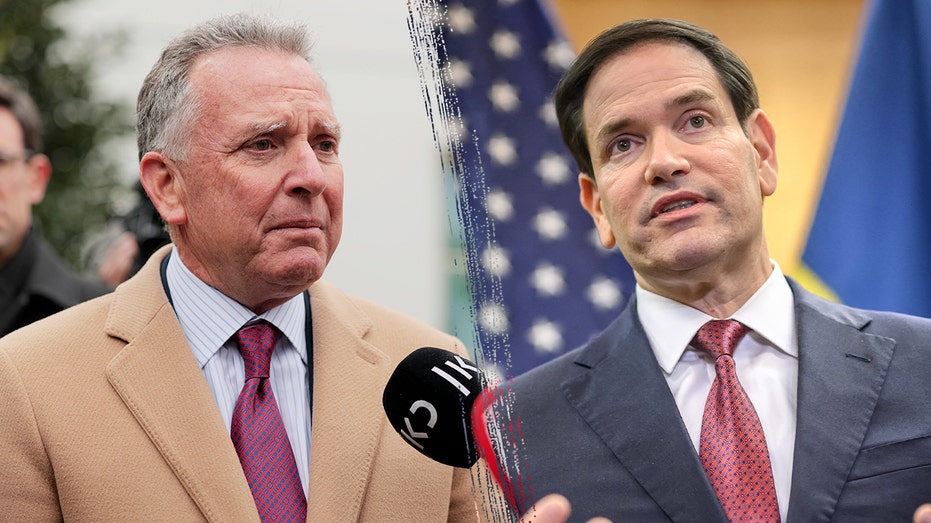
The emphasis on peace talks involving U.S. envoys Steve Witkoff and Jared Kushner adds an unpredictable element to the conflict’s trajectory. While Putin’s willingness to consider the "set of issues" proposed by former U.S. President Trump’s peace plan suggests some openness, Moscow’s simultaneous framing of Europe as a saboteur complicates progress.
Moving forward, the key dynamics to watch include: whether European nations deepen military commitments or seek de-escalation through diplomacy; how Russia balances deterrence rhetoric against practical negotiations; and whether internal European political pressures shift toward either hardening stances or renewed engagement with Moscow.
There is also the critical question of how nuclear brinkmanship influences calculus on all sides. The international community must remain vigilant to avoid accidental escalation triggered by misinterpretation of intent or provocations.
The Bottom Line
Putin’s latest warning serves as a stark reminder that the Ukraine war is not merely a regional conflict but a flashpoint for broader East-West confrontation. His rhetoric seeks to position Russia as both a victim and a powerful actor ready to defend itself against an allegedly hostile Europe. This dual narrative complicates peace efforts and reinforces the enduring geopolitical fault lines that date back decades.
Understanding these layered motivations and the interplay of military, diplomatic, and informational strategies is crucial for any pathway toward conflict resolution or stable deterrence. Policymakers and analysts must look beyond immediate headline threats to grasp the complex historic and strategic contexts shaping the war and its future.
Topics
Editor's Comments
Putin’s rhetoric, while consistent with his historical approach to asserting Russian influence, highlights a precarious moment in international relations. The dual narrative of defensiveness paired with explicit readiness for war blurs the line between deterrence and provocation. This raises critical questions about how Europe and NATO calibrate their responses without falling into escalatory traps. Furthermore, the ongoing peace talks, complicated by competing narratives and mutual distrust, underscore the urgent need for nuanced diplomacy. Analysts and policymakers must pay close attention not only to military developments but also to the information strategies and symbolic gestures that shape public and political will in both East and West.
Like this article? Share it with your friends!
If you find this article interesting, feel free to share it with your friends!
Thank you for your support! Sharing is the greatest encouragement for us.