Beyond the Pilgrimage: Pope Leo XIV’s Lebanon Visit and Its Deeper Geopolitical Resonance

Sarah Johnson
December 3, 2025
Brief
Analyzing Pope Leo XIV’s first foreign trip to Lebanon, this piece explores its profound diplomatic, religious, and geopolitical significance amid Lebanon's ongoing crises and regional tensions.
Opening Analysis
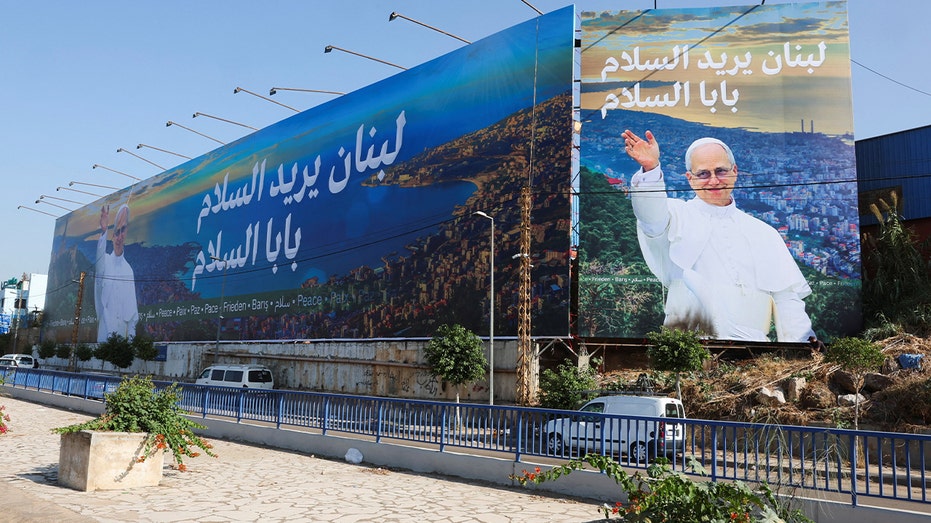
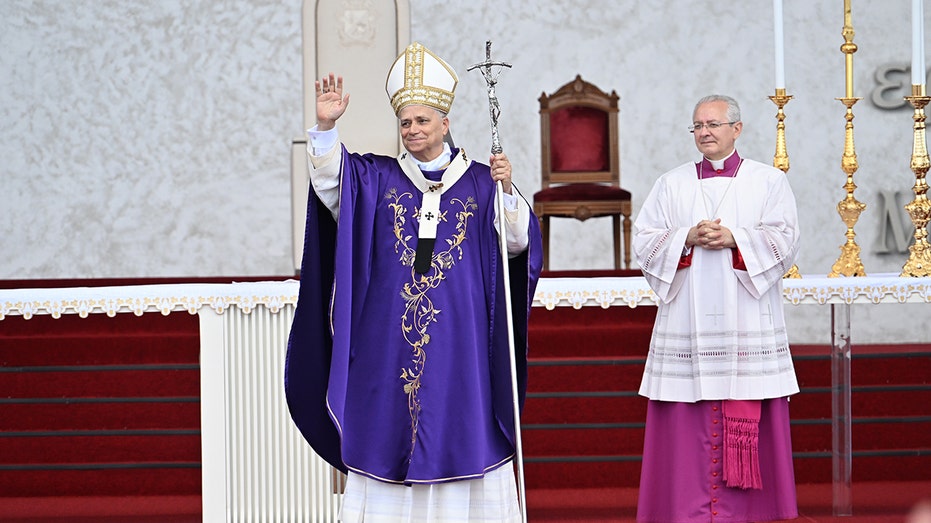
Pope Leo XIV’s inaugural foreign journey to the Middle East—particularly Lebanon—carries layers of symbolic and geopolitical weight transcending routine papal visits. By choosing a country still reeling from catastrophic explosion, deep political paralysis, and regional sectarian tensions, the pontiff’s pilgrimage becomes a poignant reflection of the Vatican’s evolving role in diplomacy, interfaith dialogue, and global crises. It is a journey about more than faith; it spotlights Lebanon’s precarious state, emblematic of broader Middle Eastern fragilities, and raises urgent questions about peace, governance, and hope in a region too often defined by conflict and neglect.
The Bigger Picture
Lebanon’s Beirut port explosion on August 4, 2020, remains one of the largest non-nuclear explosions in history, killing over 200 people and displacing hundreds of thousands. This disaster starkly exposed endemic governmental dysfunction, corruption, and the country’s vulnerability to internal mismanagement and external pressures. Five years later, the investigation remains stalled, emblematic of Lebanon’s protracted political paralysis since its devastating civil war (1975-1990) and its ongoing struggles with economic collapse, sectarian divisions, and foreign meddling.
Historically, Lebanon has been a unique mosaic of religious communities—Maronite Christians, Sunni and Shia Muslims, Druze, and others—whose coexistence has been both a strength and a fault line, exploited by regional actors like Iran, Saudi Arabia, and Western powers. The recent flare-ups following Hamas’ attack on Israel and Hezbollah’s subsequent actions underline the volatility. Pope Leo’s trip, originally planned for his predecessor, is steeped in this complex historical tapestry of faith, identity, politics, and foreign influence.
What This Really Means
This pilgrimage signals a nuanced Vatican strategy: renewing pastoral care for a beleaguered Christian minority, mediating peace appeals amid geopolitical rivalries, and reinvigorating Lebanon’s moltensocial fabric. The pope’s multilingual addresses, expressions of solidarity with Lebanese youth, and emphasis on hope and peace speak directly to a population fatigued by corruption, displacement, and violence.
Moreover, his explicit diplomacy—acknowledging Israel as "our friend" while affirming support for a two-state solution—demonstrates a balancing act in a deeply polarized region. Pope Leo’s refusal to polarize, instead adopting measured and inclusive rhetoric, reflects a Vatican policy shift toward quiet diplomacy rather than fiery rhetoric, seeking incremental progress amid seemingly intractable conflicts.
The question of women deacons, raised by journalists but deftly avoided by the pope, points to ongoing internal Church debates about modernization versus tradition—another delicate balancing act for a pontiff striving to broaden the Church’s relevance without fracturing its core doctrines.
Expert Perspectives
Dr. Miriam Aboul Hosn, Middle East political analyst at the American University of Beirut, notes, "The pope’s visit is a symbolic boost not just for Lebanon’s Christians but for civil society broadly—his call for youth engagement and peace echoes aspirations that local leaders have often failed to champion."
Fr. Thomas Reese, Vatican expert and former Jesuit spokesman, observes, "Leo XIV’s cautious yet empathetic posture is typical of recent popes’ diplomatic style—engaging without confrontation, prioritizing bridge-building in contexts where overt political statements could backfire."
Dr. Yara Haddad, sociologist specializing in diaspora communities, comments, "The emphasis on Lebanese emigrants and returnees underlines how diaspora Lebanese play a crucial role in the nation’s socio-economic recovery and maintaining transnational ties in a globalized world."
Data & Evidence
- Beirut port blast caused over 200 deaths, 7,000+ injuries, and left 300,000+ homeless.
- Lebanon’s currency lost more than 90% of its value since 2019, plunging over half the population below the poverty line.
- Over 70% of Lebanese youth express intent or desire to emigrate, as per recent UNDP and World Bank reports.
- The Christian population in Lebanon has declined over decades from nearly 40% to approximately 30%, further exacerbated by emigration and conflict.
Looking Ahead
The success of Pope Leo XIV’s diplomatic overtures depends largely on the willingness of Lebanese political factions to heed calls for reform, peace, and unity—a daunting prospect given entrenched patronage networks and sectarian divides. However, his engagement with youth and diaspora communities could catalyze broader social renewal if supported by international actors focused on sustainable aid and governance reforms.
On the regional scale, the Vatican’s balanced stance on Israel-Palestine may enable it to play an intermediary role in tensions that continue to stoke instability across Lebanon and beyond. The pope’s approach may foreshadow a more activist Vatican foreign policy, especially in hotspot regions where Christian minorities are vulnerable yet historically significant.
The Bottom Line
Pope Leo XIV’s first foreign trip captures the essence of a Church navigating a complex modern world: it is pastoral and political, hopeful and cautious, rooted in tradition yet facing calls for change. His Lebanon visit underscores critical themes of resilience amid crisis, the quest for peace in fractious lands, and the subtle but potent sway of faith leaders on global affairs.
Beyond the immediate headlines, this pilgrimage invites renewed reflection on Lebanon’s future and the global community’s responsibility toward fractured societies where history, religion, and geopolitics intersect.
Topics
Editor's Comments
Pope Leo XIV's inaugural Middle East visit is a masterclass in the Vatican’s subtle diplomacy—balancing faith, geopolitics, and humanitarian concerns in a region where hardline positions often fail to advance peace. Lebanon embodies the stakes: a nation at once rich in cultural-religious heritage yet fractured by decades of conflict, external interference, and economic collapse. The pope’s emphasis on youth and diaspora points to a strategic, longer-term vision of renewal grounded not just in spiritual solace but in tangible socio-political engagement. Yet the persistent avoidance of controversial questions, such as Church reforms or direct condemnation of external actors in Lebanon’s crisis, signals the limits of papal influence and the delicate tightrope the Vatican must walk. What remains to be seen is whether these gestures will translate into concrete change amidst entrenched inertia or become another faith-based moment amid Lebanon’s ongoing challenges.
Like this article? Share it with your friends!
If you find this article interesting, feel free to share it with your friends!
Thank you for your support! Sharing is the greatest encouragement for us.