Somalia’s Complex Reality: Terrorism, Corruption, and Resilience Beyond the Headlines

Sarah Johnson
December 4, 2025
Brief
An in-depth analysis of Somalia's persistent insecurity explores historical roots, militant funding mechanisms, regional dynamics, and cautious urban progress amid ongoing insurgent control.
Why Understanding Somalia’s Persistent Insecurity Matters
Somalia remains a complex portrait of simultaneous decline and resilience. While headlines often reduce it to brutal terrorist attacks and lawlessness, the reality is a nuanced struggle of governance, economic survival, and social cohesion amid violent extremism. Recent spikes in U.S. military intervention and intensified al-Shabab activity underscore longstanding challenges tied to Somalia’s history and geopolitical significance. This analysis unpacks the deep-rooted causes behind Somalia’s insecurity, how it affects daily life, and what it signifies for regional stability and international counterterrorism efforts.
The Bigger Picture: A Legacy of Fragmentation and Foreign Involvement
Somalia’s downward spiral began with the collapse of Siad Barre’s regime in 1991, triggering a brutal civil war that shattered centralized authority. The ensuing power vacuum allowed warlords, clan militias, and extremist groups to carve out spheres of influence, laying a foundation for pervasive instability. The absence of a unified government complicated efforts at state-building and fueled cycles of reprisal and factionalism.
Counterterrorism efforts, particularly by the United States and African Union forces, intensified in the 2000s as al-Qaeda-affiliated groups like al-Shabab exploited Somalia’s lawlessness to establish entrenched militant hubs. More recently, ISIS has attempted to gain footholds, creating competition among jihadist factions and broadening the threat spectrum. Such groups have thrived by exploiting grievances tied to weak governance, poverty, and clan rivalries.
The legacy of externally-driven campaigns—U.S. drone strikes, African Union peacekeeping missions—reflects broader geopolitical stakes. The Horn of Africa is a strategic crossroads for trade and military positioning, with Somalia’s instability reverberating into neighboring countries and global counterterrorism agendas.
What This Really Means: Life Under Persistent Threat and Corruption
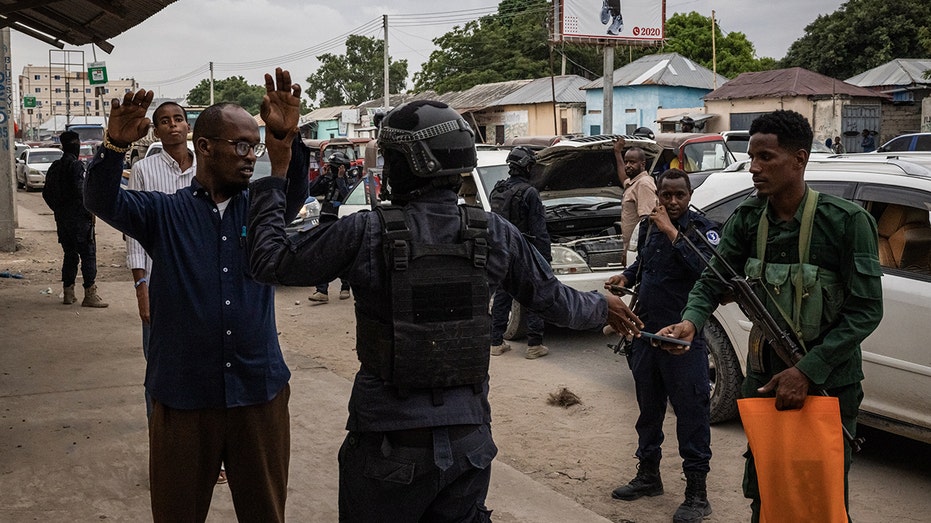
For ordinary Somalis, the conflict is not just headline data but a lived reality of coercion, extortion, and fear. Armed roadblocks manned by militants or corrupt officials impose ‘taxes’ that drain resources from already impoverished communities, creating a parallel economy sustained by violence. Human Rights Watch reports hundreds of deaths this year alone from terrorist attacks and inter-clan clashes—highlighting that insecurity festers both from ideologically driven jihadism and fragmented local rivalries.
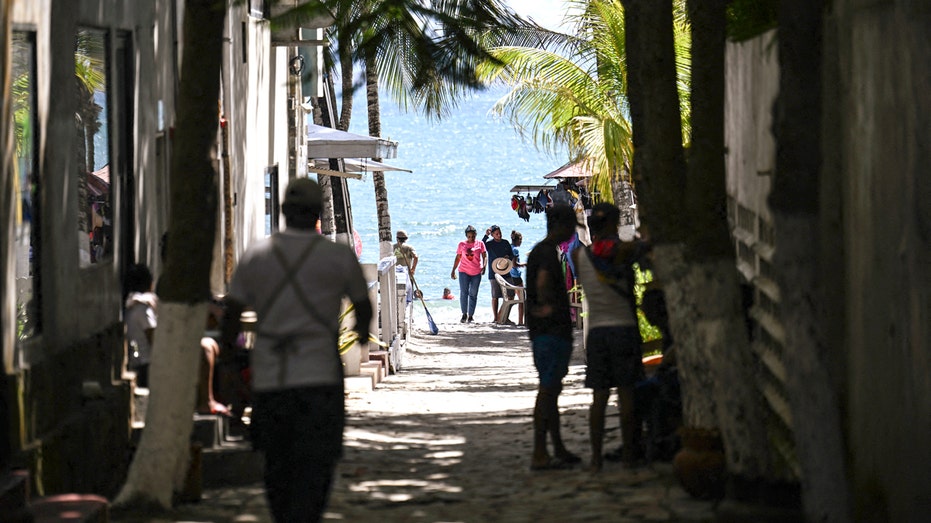
Yet, the narrative of Somalia as a failed, uniformly dangerous state obscures significant regional variances. Urban centers like Mogadishu have seen relative stabilization with expanding business activity, real estate booms, and nascent governance structures, as highlighted by local residents. Such pockets of progress coexist uneasily with vast rural areas under militant control or contested by weak state authorities, where fundamental services are scarce and personal safety is tenuous.
Corruption compounds these challenges. The widespread need to pay bribes for basic government services or to navigate armed checkpoints means that funding for extremist groups often occurs involuntarily—businesses and individuals ‘pay the cost of doing business’ under duress. The UN estimates al-Shabab’s income surpasses $150 million annually, drawn from an array of exploitative mechanisms including taxation of imports, agricultural production, and ransom kidnappings. This financial robustness sustains their operational capacity and prolongs the conflict.
Expert Perspectives: A Complex Security Landscape
Bill Roggio, senior fellow at the Foundation for Defense of Democracies, emphasizes that al-Shabab now controls more territory than in 2019, enabling it to enforce a harsh version of Sharia and recruit youth for jihad, which intensifies the long-term threat. Meanwhile, analysts like Anna Mahjar-Barducci of MEMRI caution that while there are signs of ‘cautious normalcy’ in urban hubs, overall safety remains precarious due to ongoing militant attacks and fragile policing outside major cities.
Former State Department counterterrorism analyst Tricia Bacon underlines the inadvertent nature of local funding for militants, pointing to Somalia’s ineffective governance as a critical enabler. This highlights a significant governance gap—where government presence is often superficial, undermined by corruption and lack of control—which extremist groups fill with alternative systems of authority.
Data & Evidence: Quantifying the Crisis
- Human Rights Watch reports hundreds of deaths linked to jihadist violence and inter-clan conflict in 2024.
- Al-Shabab controls an increasing proportion of southern and central Somalia, previously estimated around 25% in 2019 but now likely higher.
- The UN Panel of Experts estimates al-Shabab’s 2023 income at over $150 million from diverse extortion and illicit activities.
- Mogadishu’s urban population numbers in the millions, with economic indicators showing expanding business and real estate sectors despite security concerns.
Looking Ahead: Fragile Progress and Persistent Risks
Somalia continues on a fragile path. Urban growth and emerging governance structures offer hope but are shadowed by persistent militant activity, especially in rural regions. The increase in U.S. airstrikes signals intensifying counterterrorism efforts but also risks civilian harm or backlash that can fuel insurgent recruitment.
Political reforms such as progressing toward “one man, one vote” elections offer a potential turning point if implemented with transparency and accountability. However, as residents note, meaningful change hinges on politicians being held responsible and government institutions extending beyond urban centers.
International actors face a dual challenge: supporting Somalia’s fragile state-building and development efforts while countering well-funded militant networks embedded in communities. Moreover, understanding Somalia’s societal resilience, clan dynamics, and economic realities is pivotal to crafting effective policies that do not oversimplify the situation.
The Bottom Line
Somalia’s crisis cannot be reduced to stereotypes of lawlessness or solely viewed through a counterterrorism lens. It is a multifaceted struggle marked by localized variation, historic trauma, and complex governance challenges. Heightened violence and terrorist control remain grave threats, but so too does the hope emerging in urban centers and community-based resilience. For policymakers and observers alike, grasping this nuanced reality is essential to supporting Somalia’s long road toward stability, safety, and self-determination.
Topics
Editor's Comments
This analysis underscores the critical importance of moving beyond simplistic portrayals of Somalia as merely a failed state or terrorist haven. It is vital to recognize the patchwork reality—where urban centers like Mogadishu experience burgeoning economic activities and relative safety, even as al-Shabab’s violent influence grows across rural territories. Understanding how systemic corruption and fractured governance enable extremist financing illuminates deeper policy challenges. Moreover, the evolving geopolitical context, including increased U.S. military engagement, raises questions about the sustainability and consequences of external counterterrorism strategies without parallel investment in Somali state institutions and community empowerment. Ultimately, Somalia’s future hinges less on military might and more on fostering accountable governance and creating economic opportunities that can undercut militant recruitment and control.
Like this article? Share it with your friends!
If you find this article interesting, feel free to share it with your friends!
Thank you for your support! Sharing is the greatest encouragement for us.