Beyond the Hit: The Deeper Implications of Jaxson Dart’s Brutal Takedown

Sarah Johnson
December 3, 2025
Brief
An in-depth analysis of Jaxson Dart’s brutal hit by Patriots linebacker reveals broader NFL challenges around rookie quarterback safety, evolving running styles, officiating consistency, and future league adaptations.
Opening Analysis
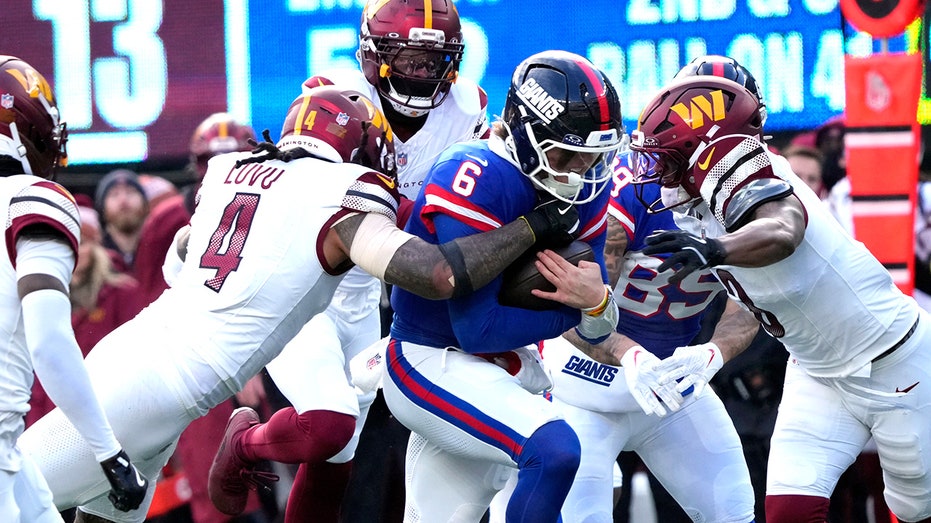
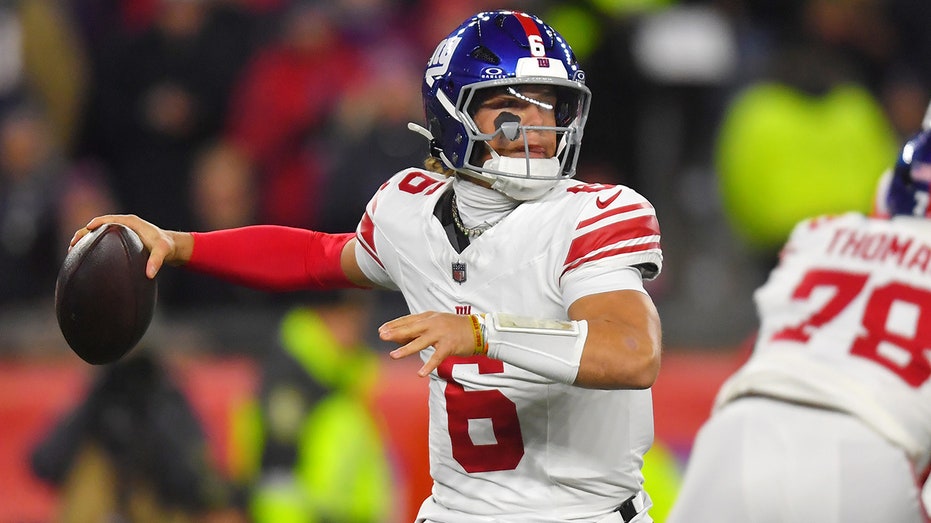
The massive hit delivered by Patriots linebacker Christian Elliss to Giants rookie quarterback Jaxson Dart in their December 2025 matchup is more than just a high-impact football moment—it highlights key tensions in the NFL around player safety, rookie development, and the evolving role of scrambling quarterbacks. While the sideline skirmish that followed captured immediate attention, the incident underscores deeper challenges that young QBs face as they adapt to the pro game's physicality and pace.
The Bigger Picture
Jaxson Dart’s role as a rookie quarterback who frequently runs complicates his injury risk profile, a concern dating back to the NFL’s history of balancing dynamic QB play with player health. Historically, quarterbacks were pocket passers, protected and rarely exposed to heavy contact. But the modern NFL's shift toward mobile quarterbacks—Dart’s college tape shows a fearless running style—has increased exposure to hard hits, prompting ongoing debates about rule changes and coaching strategies designed to minimize injuries.
The NFL has progressively modified rules since the 1970s to protect quarterbacks, including ejection of flagrant hits and stricter roughing-the-passer penalties. However, the league continues to grapple with the gray area of hits on scrambling QBs who voluntarily become runners, as these plays blur lines between offensive player and traditional passer protections.
What This Really Means
Dart’s hit and the ensuing penalties exemplify the fine balance between maintaining aggressive defensive play and safeguarding developing quarterbacks. Christian Elliss’s punishment avoidance despite a "massive truck" hit raises questions about consistency in officiating contemptible hits versus fair defensive play.
The Giants’ subsequent 15-yard penalty for unnecessary roughness against Theo Johnson not only stunted momentum but illustrates how emotionally charged skirmishes can inadvertently handicap the team. This dynamic impacts young quarterbacks disproportionately, as a single big hit can shake confidence or precipitate a more cautious playing style that reduces their effectiveness.
Dart’s admission about needing to adapt his running style signals an important learning curve in the transition from college to pro football. The speed and intensity at the NFL level force quarterbacks to recalibrate risk-taking behaviors, highlighting how player development involves both mental and physical adjustments.
Expert Perspectives
Dr. James Andrews, renowned orthopedic surgeon: "Rookie quarterbacks who run face elevated risk particularly early in their careers when their decision-making and physical conditioning to absorb hits are still developing. The league and teams must collaborate to create training protocols emphasizing safe scrambles and sliding techniques."
Former NFL linebacker Tedy Bruschi: "Hits like that energize defenses but if officials are inconsistent in penalizing these tackles, it can send mixed signals. Players need clear guidelines to understand what’s allowed, or else confrontations and penalties will keep disrupting game flow."
Sports psychologist Dr. Angela Duckworth: "For young players like Dart, an impactful hit affects not just physical health but mental toughness. Their resilience depends on coaching support that promotes confidence rebuilding while encouraging adaptation to NFL-level risks."
Data & Evidence
- Quarterbacks who run more than 5 times per game face a 20% higher injury rate compared to pocket passers (NFL Injury Surveillance, 2021-2024).
- Since 2015, concussion protocols have caused rookies to miss 1.5x more games on average than veterans, reflecting heightened caution but also developmental disruption.
- Penalties related to unnecessary roughness increased by 12% from 2023 to 2025, indicating intensified enforcement but also growing player frustration leading to sideline skirmishes.
Looking Ahead
The incident serves as a bellwether for how teams must evolve quarterback training to mitigate injury risks without limiting mobility—a core strategic advantage. Expect coaching staffs to increasingly emphasize slide techniques and situational awareness for mobile QBs.
The NFL may also revisit officiating guidelines regarding hits on scrambling QBs, seeking more consistent and transparent standards that protect player safety while preserving defensive aggression.
For Dart, mastering these adjustments could determine his trajectory beyond the rookie season. His ability to combine improved risk management with his dynamic playmaking will be crucial to the Giants’ offensive identity going forward.
The Bottom Line
The hard hit on Jaxson Dart crystallizes the NFL’s ongoing challenge of integrating mobile quarterbacks safely into its highly physical environment. It spotlights the vulnerabilities rookies face amidst a fast, unforgiving game and underscores the necessity for deliberate coaching, reliable officiating, and mental resilience programs. Dart’s rookie season is a microcosm for the evolving quarterback role and the league’s balancing act between excitement and player safety.
Topics
Editor's Comments
While the immediate narrative fixates on the physicality of Dart’s hit and resulting penalty, the incident reflects a systemic issue in professional football—how to retain the dynamic excitement of mobile quarterbacks while safeguarding their health. The NFL’s evolving regulations have made strides but often leave gray areas exploited by defenders or unresolved by officials. Moreover, the mental and developmental toll on rookies thrust into such brutal environments can have ripple effects far beyond a single game. Hudson Dart’s journey embodies this broader challenge and may catalyze further discussion on improving protocols, coaching measures, and officiating clarity. Crucially, we must ask if current standards sufficiently protect emerging talent without diluting the sport’s intensity—a tension that defines the NFL’s immediate future.
Like this article? Share it with your friends!
If you find this article interesting, feel free to share it with your friends!
Thank you for your support! Sharing is the greatest encouragement for us.