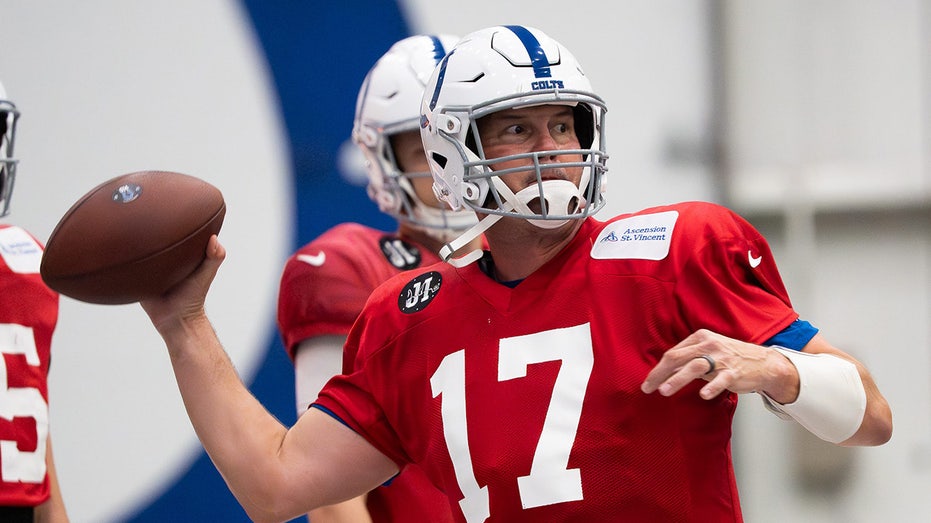
Philip Rivers’ Return at 44: A High-Risk Bet That Exposes the NFL’s Quarterback Problem

Sarah Johnson
December 13, 2025
Brief
Philip Rivers’ shock NFL return at 44 is more than a nostalgia play. It exposes the league’s fragile QB depth, rising game speed, and the health risks of late‑career comebacks in a win‑now era.
Philip Rivers’ Surprise Comeback at 44: What It Really Says About the Modern NFL
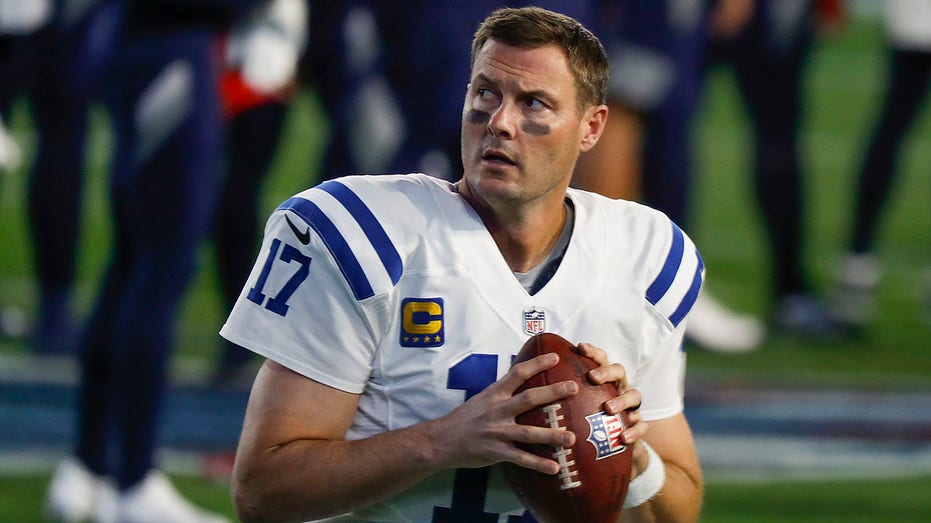
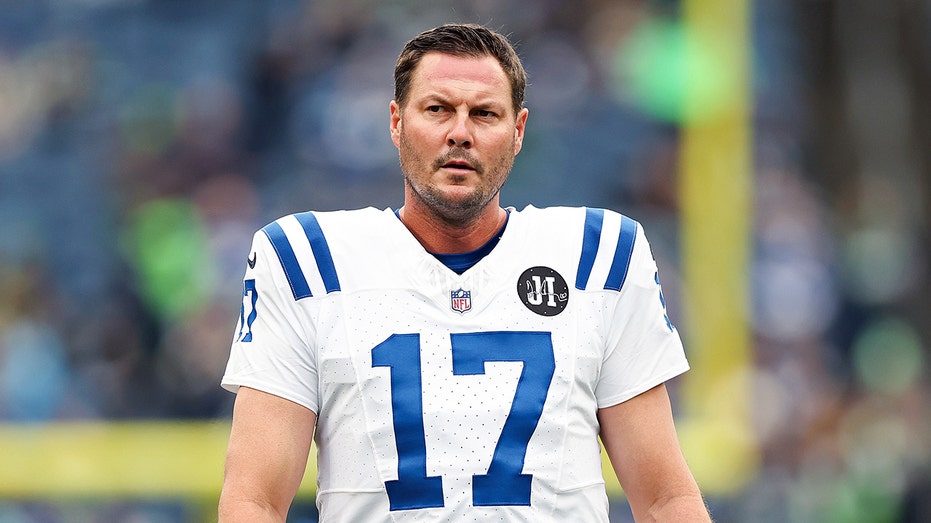
Philip Rivers’ sudden return to the NFL at age 44, nearly five years after his last snap, is being framed as a quirky late-career reunion story. It’s not. It’s a window into how quarterback dependence, analytics-driven roster building, and escalating injury risks are reshaping the league — and exposing its structural fragilities.
Warren Moon, one of the few quarterbacks to play effectively into his mid‑40s, is “alarmed,” and that word matters. Moon isn’t questioning Rivers’ football IQ; he’s questioning whether the modern game has simply become too fast, too punishing, and too specialized for a 44‑year‑old who has been out of the arena for half a decade to step back in and carry a playoff-contending franchise.
Why This Story Matters Beyond One Quarterback
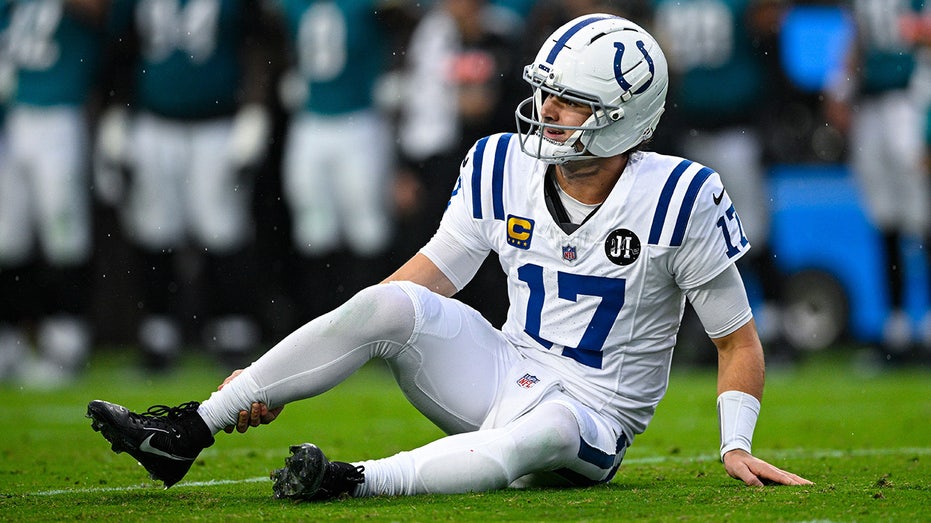
On the surface, Rivers’ return is about the Indianapolis Colts losing Daniel Jones and Riley Leonard and scrambling to find a familiar veteran who knows Shane Steichen’s system. Underneath, it’s about:
- The NFL’s chronic failure to develop and trust backup quarterbacks
- The physical and neurological costs of extending careers deep into middle age
- How one position – quarterback – distorts the entire risk calculus of a franchise
- The disconnect between nostalgic fan narratives and the harsh reality of the modern game
The Bigger Picture: Late‑Career QB Comebacks in Context
Rivers isn’t the first veteran to be pulled back into the league, but his case is different in scale and timing.
Historically, late-stage QB comebacks have fallen into a few categories:
- Continuity extensions: Tom Brady winning a Super Bowl in Tampa at 43; Drew Brees playing until 41. These players never left the league; they simply aged in place.
- Short-retirement returns: Brett Favre’s on‑again, off‑again retirements, but with minimal time fully away from the game.
- Emergency depth signings: Veterans on the edge of rosters, often in their late 30s, signed midseason to fill practice-squad or backup roles.
Rivers is different on two fronts:
- He’s been fully out of the league for about five years, not training year‑round for NFL speed and contact.
- He’s not being asked to provide mentorship or depth; he’s being asked to rescue a playoff push for a team that started 7‑1.
That’s why Warren Moon’s alarm is notable. Moon himself played until 44, but he maintained continuity and conditioning within the league ecosystem. Rivers has transitioned into coaching and family life — he’s a grandfather now — and the gap between coaching on Friday nights and getting hit by NFL edge rushers on Sundays is enormous.
What Warren Moon Is Really Pointing To
Moon’s advice — lean on the run game, avoid third‑and‑long, protect Rivers with the offensive line — sounds tactical, but it’s really a commentary on biology and time.
His core concerns:
- Fast‑twitch decline: Reaction time and escape ability are among the first traits to erode with age. A 44‑year‑old QB who hasn’t faced live NFL pressure in years is at a serious disadvantage against pass rushers who run sub‑4.6 forties at 260 pounds.
- Recovery from the grind: The modern NFL week — practices, film, treatment, travel — is effectively a full‑body stress test. At 44, the question isn’t just “Can you perform on Sunday?” but “Can you string three or four weeks of that together without breaking down?”
- Game-speed inflation: The league is measurably faster than it was even a decade ago. Sports science data from multiple teams shows year‑over‑year increases in average player speed and acceleration at skill and edge positions.
Moon isn’t doubting Rivers’ mind; he’s doubting the ability of a 44‑year‑old body to operate with NFL‑level timing when the margin for error at quarterback is shrinking every season.
The Hidden Problem: Quarterback Dependence and Roster Imbalance
The Colts’ predicament exposes a league‑wide structural issue: a growing overreliance on a single position, paired with a willingness to underinvest in sustainable depth behind it.
Consider three trends:
- QB salaries vs. backup investment: Franchise QBs now command $45–$55 million per year. By contrast, many teams allocate a fraction of that to backups, often cycling through cheap rookie contracts or journeymen with limited live snaps.
- Compressed development windows: Teams expect young QBs to be productive almost immediately. The old model — sit for two or three years behind a veteran — has largely vanished, shrinking the pool of seasoned backups.
- System specialization: Modern offenses are heavily tailored to a starter’s strengths. When that starter goes down, the drop‑off to a very different backup can be dramatic, pushing teams to pursue “system‑familiar” options like Rivers over perhaps more physically ready but scheme‑inexperienced QBs.
Rivers is arguably the most system‑fluent option available to Shane Steichen. The fact that a 44‑year‑old retiree is the best fit for a 7‑1 team whose season is slipping raises a broader question: have teams optimized so hard around their starters that they’ve inadvertently made themselves brittle?
Age, Health, and Optics: The Uncomfortable Trade‑Off
There is also a health and optics dimension the league can’t ignore. The NFL has spent the last decade stressing player safety, particularly around concussions and long‑term cognitive health. That makes a high‑profile return like Rivers’ symbolically loaded.
Key points:
- Cumulative hits matter: Rivers started 240 regular season games. Even with his famously quick release and tough pocket presence, the accumulated contact over 17 seasons is significant.
- Late‑career risk amplification: Orthopedic research suggests that as athletes age, existing wear‑and‑tear interacts with new trauma in more damaging ways. Recovery slows; minor injuries linger; catastrophic injuries can be harder to come back from.
- Message to younger players: When veterans are pulled back into high‑risk roles at advanced ages, it can undercut the league’s messaging that it is prioritizing long‑term player well‑being.
Rivers is a highly intelligent, consenting adult who understands the stakes. But the structural context matters: he is stepping into a role shaped by a system that has little margin for error and enormous financial and competitive pressure to win immediately.
What This Means for the Colts’ Season — and the League’s Future
In the short term, the Colts’ calculus is straightforward: they started 7‑1, have lost four of their last five, and are clinging to playoff hopes. The Rivers move is a high‑variance bet that continuity and veteran decision‑making can stabilize a freefall.
From a football standpoint, here’s what changes:
- Offensive identity shift: Expect a heavier reliance on Jonathan Taylor and the ground game, more quick‑game concepts, and fewer extended‑play designs that require Rivers to move laterally or reset multiple times in the pocket.
- Reduced vertical threat: Rivers’ arm strength was already declining by 2020. Defenses will likely sit on underneath routes, challenging Steichen to manufacture explosive plays through design rather than raw arm talent.
- Risk management over ceiling: The Colts may be trading explosive upside for veteran stability — fewer disastrous plays, but also fewer out‑of‑structure moments of brilliance that younger, more mobile QBs sometimes generate.
Zoomed out, though, this episode may accelerate conversations on several fronts:
- Mandatory investment in QB depth: Owners and GMs may need to rethink the economics of the backup QB position, treating it less as an afterthought and more as critical risk insurance.
- Development pipelines: Expect renewed emphasis on grooming mid‑tier quarterbacks who can operate complex systems on short notice, potentially reviving interest in alternative development paths (spring leagues, enhanced practice squad roles).
- Age and return‑to‑play policy debates: While formal age limits are unlikely, medical and union voices may push for more stringent baselines and return‑to‑play protocols for older veterans, especially after long layoffs.
What Mainstream Coverage Is Missing
Most coverage will understandably focus on nostalgia, Rivers’ personal storyline, and the “can he still spin it?” question. The deeper issues likely to be underexplored include:
- The systemic fragility of QB‑centric roster building — how optimizing around one star can leave a team exposed to catastrophic downside when injuries hit.
- The ethical framing of late‑career comebacks — not as feel‑good stories, but as case studies in how far teams and players will push bodies in pursuit of short‑term success.
- The disparity between offensive evolution and depth planning — the league has innovated rapidly on scheme, but not at the same pace on sustainable QB pipelines.
Looking Ahead: What to Watch If Rivers Takes the Field
If Rivers starts in Seattle and beyond, several indicators will tell us more than the final score:
- Time to throw and hit frequency: Do the Colts’ protections and play‑calling actually keep Rivers clean, or does he take a high volume of hits early?
- Second‑half performance: Does his processing speed and accuracy hold late in games, or does fatigue erode mechanics and decision‑making?
- Adjustment curve: Over two to three weeks, does Rivers’ internal clock adapt to game speed, or does the gap between his anticipation and real‑time pressure remain noticeable?
- Locker room dynamics: How younger players respond to a 44‑year‑old stepping in under pressure will say a lot about the cultural weight veterans still carry in NFL environments.
The Bottom Line
Philip Rivers’ return isn’t just a curiosity about a grandfather playing quarterback; it’s a stress test of the modern NFL ecosystem. It exposes how thin quarterback depth has become, how dependent offenses are on system‑specific veterans, and how far teams will go to salvage a season in a league where windows to contend feel brutally short.
If Rivers succeeds, it will reinforce the idea that high‑IQ veteran quarterbacks can defy age with enough protection and the right scheme. If he struggles or gets hurt, it could become a cautionary case study that forces teams — and perhaps the league as a whole — to confront the cost of building around one position without a sustainable fallback plan.
Topics
Editor's Comments
What stands out in Philip Rivers’ return isn’t just his age, but the way his signing makes visible a quiet structural gamble the NFL has been making for years: that star quarterbacks can be both irreplaceable and perpetually healthy. The Colts’ situation is an extreme version of a league-wide pattern in which teams dump disproportionate resources into one position and then act surprised when a single injury triggers a systemic crisis. The optics are particularly jarring here because Rivers has clearly transitioned into another phase of life — coaching, grandparenthood, distance from the daily violence of the sport — and yet he is being asked to step back into one of the most physically and cognitively demanding roles in professional sports. The key question going forward is whether owners and general managers treat this as an outlier solved by nostalgia, or as evidence that they’ve built contenders on a foundation that cannot withstand the realities of injury, aging, and an ever-faster game. If it’s the latter, you’d expect to see a quiet but meaningful revaluation of the backup quarterback position over the next few seasons.
Like this article? Share it with your friends!
If you find this article interesting, feel free to share it with your friends!
Thank you for your support! Sharing is the greatest encouragement for us.