Why Trump’s Football Renaming Proposal Reveals Deeper Cultural Tensions in American Sports

Sarah Johnson
December 6, 2025
Brief
An in-depth analysis of Trump's proposal to rename American football explores America's cultural identity, soccer's rise, and the global tensions behind sports naming conventions.
Why Trump's Football Renaming Proposal Highlights America's Complex Sporting Identity
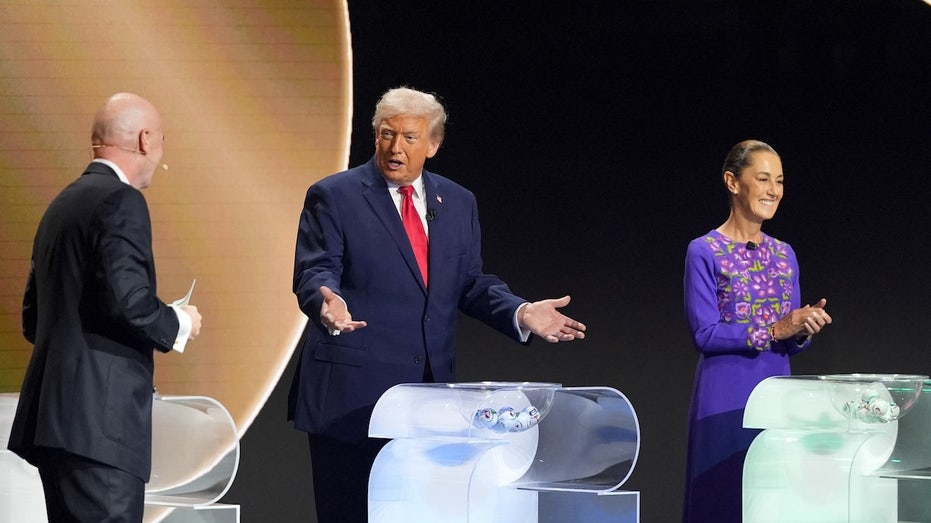
President Donald Trump’s suggestion that the United States rename its flagship sport, American football, to give the term "football" back to soccer taps into a long-standing cultural and linguistic divide in how sports are perceived domestically versus globally. While framed as a lighthearted comment, this proposal unearths deeper tensions about American sports identity, globalization, and the evolving place of soccer in U.S. culture.
The Bigger Picture: Historical Roots of American Football’s Naming and Global Soccer’s Rise
American football’s distinct identity traces back to late 19th-century adaptations of rugby and soccer rules, leading to a sport that quickly embedded itself into the U.S.’s cultural fabric. The term "football" in the United States has come to signify a game defined by strategic plays, physical contact, and a complex scoring system unlike the roundball-centered football (soccer) that dominates the rest of the world. This linguistic divergence reflects both historical isolation and a cultural prioritization of uniquely American sports traditions.
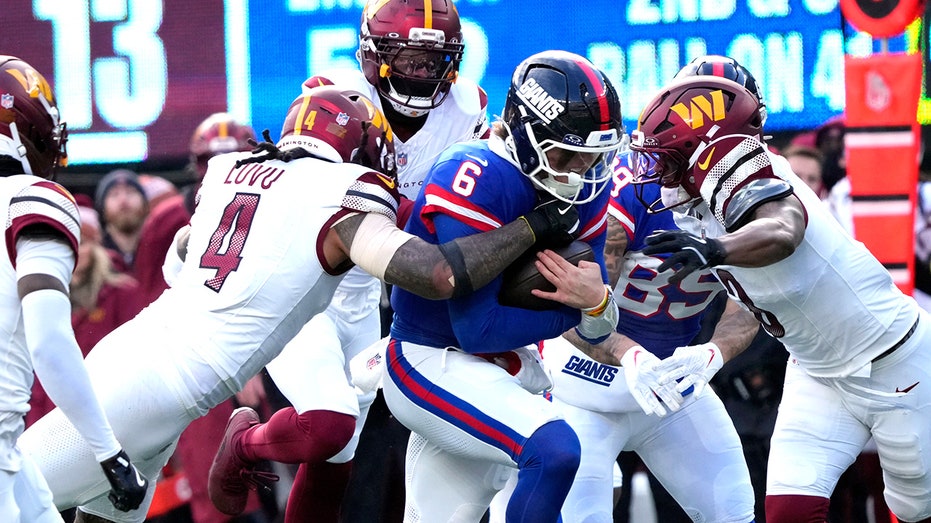
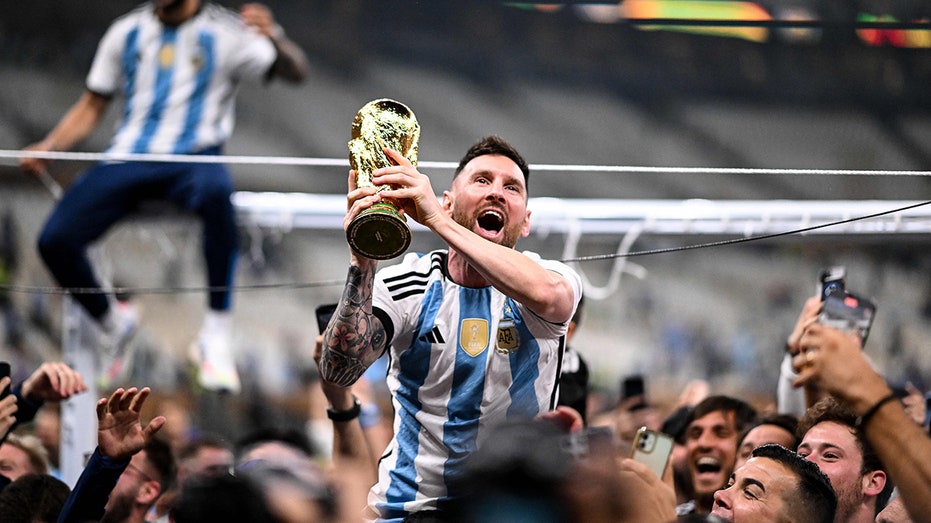
Conversely, soccer remains the world’s most popular sport, rooted in European and Latin American traditions. In most countries, "football" naturally refers to this globally dominant sport. In the U.S., soccer’s growth—accelerated by immigration, youth participation, and international media—has challenged the traditional sports hierarchy but has yet to usurp the linguistic claim of "football." The U.S. National Football League (NFL) operates in a self-contained ecosystem with massive commercial clout, justifying its exclusive claim to the name domestically.
What This Really Means: Cultural Identity, Globalization, and Linguistic Power
Trump’s suggestion to rename American football in favor of the globally dominant soccer reflects latent questions about American openness to global cultural norms—and whether the U.S. sports lexicon should adapt or resist international influence. The notion that soccer "should" be called football in the U.S. acknowledges the sport’s undeniable global legitimacy but overlooks entrenched cultural history and the considerable infrastructure invested in American football’s branding.
More critically, this proposal underscores how sports naming is not simply a matter of semantics but one of cultural power and identity. Names carry heritage and status. The NFL is not just a sport but a social institution integral to American life, community rituals, and economy. Asking it to yield linguistic ground is to question these deep-seated connections.
At the same time, the growth of soccer in the U.S., buoyed by youth engagement and international competitions like the upcoming 2026 World Cup hosted partially on U.S. soil, signals shifting demographics and tastes. These trends suggest soccer’s continued rise could exert subtle but meaningful pressure on national sporting culture, maybe leading to new ways Americans relate to “football” in its plural sporting meanings.
Expert Perspectives: Cultural Linguistics and Sports Sociology
Dr. Michael Oriard, a noted scholar of American football culture, points out that "American football and soccer evolved in parallel but culturally separate trajectories. The naming conventions are entrenched in national identity and communication habits; changing them would require more than political pronouncement—it demands a cultural shift that isn’t on the horizon yet."
Professor Brenda Castillo, an expert in sports globalization, emphasizes, “Globalization softens traditional boundaries, including in sport, but local attachments remain resilient. Soccer’s rise in the U.S. is remarkable but coexists with American football's deep cultural roots, not necessarily displacing them. Trump's comment more reflects cultural irony than a serious policy proposal.”
Data & Evidence: Soccer’s Ascendancy Versus NFL’s Market Dominance
According to the 2023 Sports & Fitness Industry Association report, soccer ranked third in youth participation in the U.S., trailing basketball and football. Major League Soccer (MLS) attendance and viewership have increased steadily over two decades, with rapid growth among younger and immigrant populations.
However, the NFL remains the most-watched sports league in the U.S., generating over $20 billion annually in revenue with a national TV audience regularly exceeding 15 million per game. American football’s cultural penetration and commercial scale vastly surpass soccer’s, complicating any notion of a swift linguistic or cultural shift.
Looking Ahead: What Will Shape Sporting Identities in America?
The 2026 FIFA World Cup hosted across North America is anticipated to boost soccer’s profile in the U.S., potentially accelerating youth participation and fan engagement post-tournament. Nevertheless, major changes in sport naming conventions would require generational shifts in cultural affinity, media representation, and institutional endorsement.
Policymakers and sports leaders might capitalize on this momentum by promoting soccer’s inclusiveness and international appeal without undermining the traditional NFL brand. Conversely, persistent cultural debates about sport naming reveal broader tensions about globalization, national identity, and linguistic sovereignty.
The Bottom Line
Trump’s remark about renaming American football to accommodate soccer’s global claim to "football" serves as a cultural mirror reflecting America's complex sporting identity at a moment of increasing globalization. While soccer’s rise challenges American sports orthodoxy, deeply rooted cultural, linguistic, and economic factors ensure that the current naming conventions will likely endure. The proposal opens a larger conversation about how America reconciles its unique sporting traditions with a rapidly globalizing world.
Topics
Editor's Comments
Trump’s comments, while superficially humorous, open a serious dialogue on how sporting language reflects broader cultural dynamics. The naming of 'football' is not trivial; it embodies competing national identities amidst a globalizing world. This tension between preserving tradition and adapting to global norms offers a lens through which to view other cultural shifts in the U.S. The upcoming World Cup presents a pivotal moment to observe whether soccer can translate its global status into deeper American cultural resonance or remain a niche interest alongside the NFL’s dominant presence.
Like this article? Share it with your friends!
If you find this article interesting, feel free to share it with your friends!
Thank you for your support! Sharing is the greatest encouragement for us.