San José Shipwreck: Unveiling the Colonial Legacy Beneath Colombia’s Sea

Sarah Johnson
December 3, 2025
Brief
Deep analysis of Colombia's San José shipwreck reveals its historical significance, complex ownership disputes, and how maritime archaeology is reshaping cultural heritage and international law.
Opening Analysis
The recent retrieval of artifacts from the San José galleon—the so-called "Holy Grail of shipwrecks"—marks a watershed moment not only in maritime archaeology but also in the ongoing debate over cultural heritage, national sovereignty, and the legacy of colonialism in Latin America. Beyond the headline-grabbing $20 billion valuation, the discovery offers a unique lens into imperial geopolitics in the early 18th century Caribbean and raises urgent questions about how such treasures should be preserved and shared.
The Bigger Picture
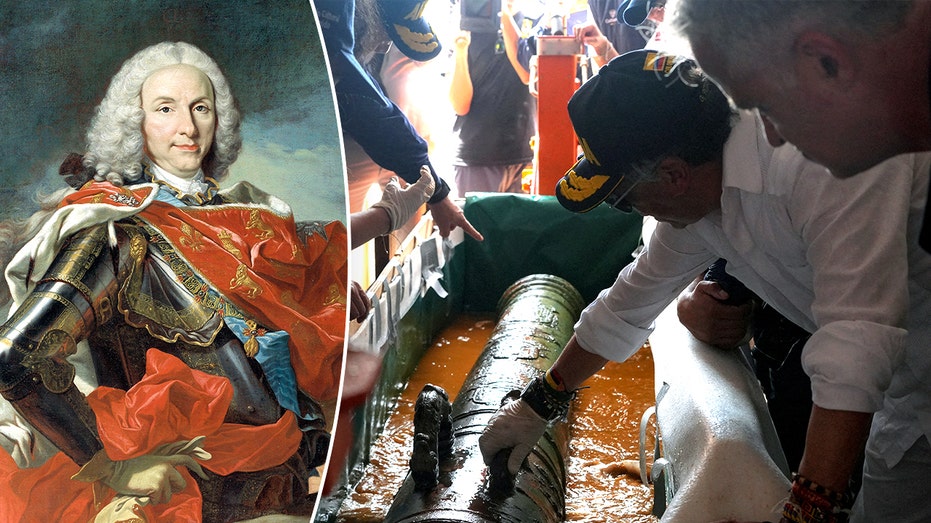
The San José sank in 1708 during the War of Spanish Succession, a major European conflict with extensive ramifications in the Americas. Carrying gold, silver, and emeralds destined for King Philip V of Spain, the galleon's loss was a blow to Spanish imperial financing. The Caribbean Sea at that time was a flashpoint where naval powers—Spain, Britain, France, and the Netherlands—contested control over trade routes and colonial possessions. Shipwrecks like the San José serve as submerged time capsules preserving the tangible assets and geopolitical tensions of this era.
Historically, shipwreck treasures have been the subject of conflicting claims involving colonial powers, modern sovereign states, and private salvagers. Colombia’s claim reflects a postcolonial reclaiming of cultural patrimony, while Spain’s assertion ties back to the continuity of custodianship over imperial heritage. The involvement of Sea Search Armada, a U.S. investors’ group, adds another complex layer reflecting the privatization and commercialization of maritime heritage, raising thorny issues about legal ownership in international waters.
What This Really Means
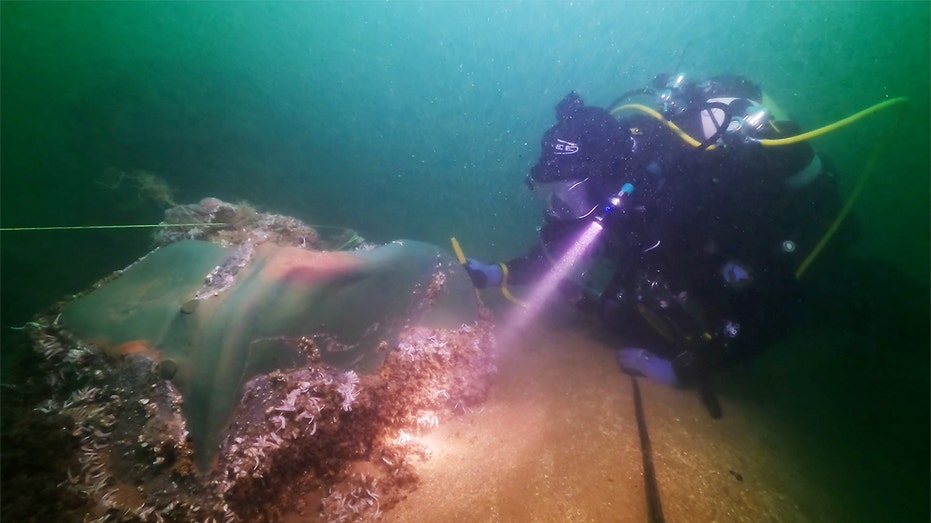
This retrieval marks the transition from speculation and political posturing to tangible archaeological progress, setting a precedent for how multinational shipwreck disputes might be managed. The fact that only a few artifacts—a porcelain cup, coins, and a bronze cannon—have been recovered illustrates the immense challenges posed by deep-sea archaeology where the wreck lies nearly 2000 feet underwater.
Moreover, the Colombian government's emphasis on research rather than treasure hunting signals a broader shift towards valuing cultural preservation over commercial exploitation. This approach not only protects the site for future scientific study but also strengthens national identity by reclaiming historical narratives long overshadowed by colonial legacies.
However, tensions remain high. Colombia’s arbitration with Sea Search Armada highlights the ongoing conflict between public interest and private enterprise in underwater cultural heritage. The secrecy surrounding the wreck's location underscores concerns about looting and illicit trafficking of invaluable artifacts, a widespread problem in maritime archaeology globally.
Expert Perspectives
Dr. Helen Farr, Maritime Archaeologist and Research Fellow at the University of Southampton, emphasizes, "The San José offers an unparalleled glimpse into 18th-century colonial trade, but it also challenges the international community to rethink legal frameworks for cultural property. Its recovery is as much about justice and identity as about the treasure itself."
Dr. Arturo Gómez-Pérez, Colombian Historian specializing in Colonial Latin America, adds, "This shipwreck embodies the turbulent history of the Caribbean — a nexus of empire, conflict, and indigenous displacement. Recovering and studying these artifacts can help Colombia reclaim parts of its past long obscured by colonial powers."
Professor James Delgado, Director of Maritime Heritage at the Sea Research Institute, comments, "Deep-water archaeology is entering a new era with technologies enabling us to reach previously inaccessible wrecks. The San José story exemplifies how archaeological stewardship requires a careful balance of scientific inquiry, respect for sovereign rights, and commercial interests."
Data & Evidence
- The San José is estimated to contain around 11 million gold and silver coins, alongside emeralds and other precious cargo, with a total value near $20 billion.
- The shipwreck is located nearly 2,000 feet (approximately 610 meters) deep in the Caribbean Sea, requiring specialized deep-sea submersibles and remote-operated vehicles (ROVs) for archaeological work.
- Since its discovery in 2015, the exact coordinates remain classified by Colombia, reflecting global concerns over treasure salvage rights and site protection.
- Comparable maritime discoveries in 2025 include the HMS Endeavour's located wreck (Captain James Cook's ship) and the deepest recorded French wreck off Ramatuelle, demonstrating accelerated progress in underwater archaeology technology.
Looking Ahead
The San José project will likely become a benchmark for collaborative, multidisciplinary archaeology involving archaeologists, historians, legal experts, and governments. Its outcome could drive reforms in international laws governing underwater cultural heritage, perhaps inspiring treaties to curtail private exploitation and safeguard such sites.
As excavation continues, it will be crucial to maintain transparency and engage descendant communities, ensuring the historical narratives reflected in recovered artifacts align with Colombia’s cultural identity and the wider story of the Caribbean's colonial past. The project also foreshadows enhanced investment and innovation in deep-sea exploration technologies, with ramifications beyond archaeology, such as for marine conservation and heritage tourism.
However, geopolitical challenges remain prominent. The ongoing ownership disputes could delay artifact recovery and public exhibition. How these conflicts are resolved might set legal and ethical standards going forward. Furthermore, public engagement policies will shape how this ancient treasure contributes to educational curricula, national pride, and international heritage cooperation.
The Bottom Line
The San José galleon is far more than a shipwreck; it is a symbolic and literal repository of 18th-century global power struggles, colonial legacies, and cultural identity for Colombia. Its recovery represents a complex intersection of archaeology, geopolitics, law, and ethics. The cautious research-first approach adopted by Colombia sets a globally significant precedent for responsible stewardship of underwater cultural heritage, illustrating how maritime archaeology can illuminate the past while shaping future governance and cross-cultural dialogue.
Topics
Editor's Comments
The San José shipwreck recovery is emblematic of the shifting landscape in how we value and interact with cultural heritage. More than just a treasure trove, it forces us to confront uncomfortable histories of empire and exploitation. As Colombia navigates complex legal and diplomatic waters, this moment could set a new standard for the ethical stewardship of underwater archaeology globally. It’s imperative that the story we tell about this shipwreck integrates both scientific rigor and a nuanced understanding of postcolonial identity—a balancing act that demands more than fleeting media fascination.
Like this article? Share it with your friends!
If you find this article interesting, feel free to share it with your friends!
Thank you for your support! Sharing is the greatest encouragement for us.