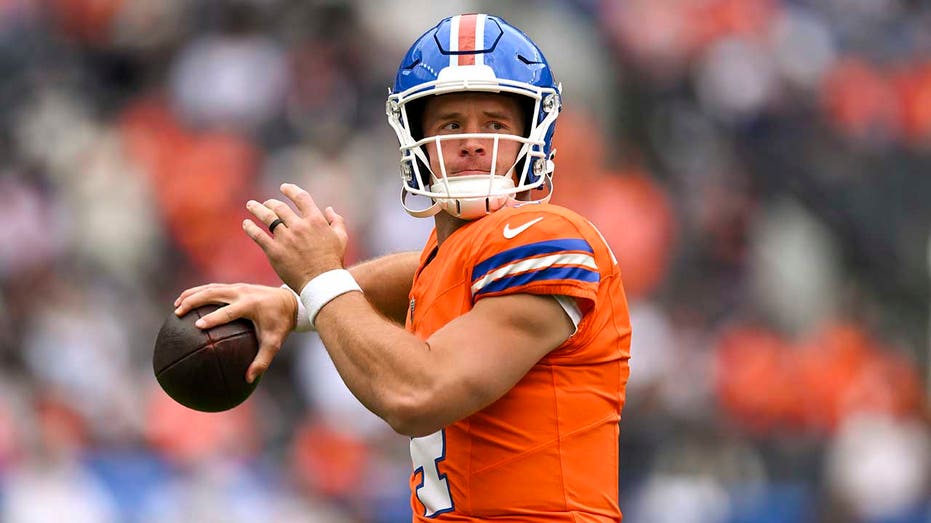
Sam Ehlinger’s Quiet Decision That Exposes a Big Shift in NFL Quarterback Economics

Sarah Johnson
December 12, 2025
Brief
Sam Ehlinger’s decision to reject a Colts return and stay on the Broncos practice squad reveals how NFL quarterbacks now weigh stability, system fit, and long-term value over short-term roster chances.
Why a Practice-Squad Quarterback Turned Down a Roster Shot — And What It Reveals About the Modern NFL
On the surface, Sam Ehlinger declining a chance to return to the Indianapolis Colts looks like a small, personal decision: a practice-squad quarterback choosing stability over a scramble back to his old team. Underneath, it’s a window into how the NFL is quietly changing — in quarterback economics, player leverage, and what “opportunity” really means in a league built on short careers and long odds.
Ehlinger, now with the Denver Broncos’ practice squad, reportedly passed on joining the Colts — the team that drafted him in 2021 — even as they scrambled to replace injured starter Daniel Jones and brought 44-year-old Philip Rivers out of retirement. For a player without a long-term starting résumé, saying no to a potential 53-man roster shot is not intuitive. That’s exactly why it’s interesting.
The Bigger Picture: From ‘Next-Man-Up’ to ‘Choose-Your-Path’
Historically, fringe quarterbacks almost never turned down live-action possibilities. For decades, the unwritten rule at the position was simple: you chase any scenario that might get you closer to game snaps, even if it means instability, cross-country moves, and short-term contracts.
To understand why Ehlinger’s decision departs from that script, it helps to place it in a broader context:
- Quarterback volatility has exploded. Since 2016, roughly 55–65 different quarterbacks take snaps in an average NFL season. Injuries, aggressive offensive schemes, and faster defensive fronts have made QB depth more important than ever.
- Practice squad rules have evolved. Expanded squads, veteran eligibility, and higher pay tiers (post-2020 CBA and COVID-era changes) have made remaining on a practice squad less of a dead end and more of a strategic career choice.
- Teams now think about “systems” and “rooms,” not just starters. Many franchises quietly value continuity in their quarterback room — the same voices in meetings, familiarity with the playbook, and stable relationships with coaching staff.
Ehlinger is operating inside this new reality. When he says, “We’re really happy here and enjoy the organization, the path we’re on and what we’re building,” it’s not just sentimentality. It’s a reflection of how quarterbacks at his tier are starting to weigh culture, scheme fit, and long-term roles against short-term roster spots.
What This Really Means: Risk, Reputation, and Role in the QB Hierarchy
Ehlinger’s decision is best understood through three lenses: risk management, reputation signaling, and the changing economics of the practice squad.
1. Risk Management: The Myth of the Automatic ‘Better Opportunity’
At first glance, turning down a likely active-roster-linked opportunity with the Colts to remain a practice-squad player in Denver seems irrational. But the risk calculation is more complicated:
- Short-term snap chances don’t equal long-term security. If Ehlinger joined the Colts behind Philip Rivers in an emergency situation, he likely enters as a clear backup to a veteran the franchise is selling as its immediate solution. If Rivers plays well, Ehlinger remains in the shadows. If Rivers struggles, the organization could pivot quickly again, leaving Ehlinger attached to a messy, unstable situation.
- System familiarity matters. In Denver, he’s embedded in the scheme, learning terminology, and building trust with coaches and teammates. That continuity boosts his odds of sticking around, earning internal trust, and maybe growing into a long-term QB2 role — which, in today’s NFL, can mean millions over several years.
- Injury risk without institutional investment. Stepping into crisis situations on short notice can expose a QB to injury in an offense he barely knows, with a line he hasn’t played behind, and a staff that hasn’t invested development time in him.
Seen through that lens, the “safer” bet may be the one that keeps him in Denver, even if the title on paper (practice squad) looks less glamorous.
2. Reputation Signaling: Loyalty Is Becoming a Currency
Ehlinger’s comments about being “happy” in Denver and wanting to be “part of what we’re building” are not just platitudes. They function as a signal to front offices around the league: he is a culture fit, a locker-room guy, someone willing to prioritize organizational cohesion over short-term ego.
Executives increasingly talk about the “quarterback room” as a chemistry ecosystem. For a player like Ehlinger — unlikely to be penciled in as a surefire franchise starter — being perceived as:
- a stable, low-drama presence,
- a willing backup and mentor type, and
- a player willing to buy into a long-term vision
can be the difference between bouncing around the league for a year or carving out a five-to-eight-year career as a trusted depth piece.
3. The Economics: When a Practice Squad Is No Longer a Steep Discount
Under recent CBA adjustments, practice-squad salaries have risen and veteran spots have been protected. While still lower than active roster pay, the difference is smaller relative to the benefits:
- Higher weekly checks for veteran practice-squad players — into the low six figures annually for a full season.
- Greater continuity: fewer mid-season releases if the team sees you as part of their system development.
- Health and career longevity: fewer live hits, but continuous coaching and film work.
For some quarterbacks, the practice squad is becoming less of a stepping stone and more of a strategic home base for building a long-term NFL identity.
Enter Philip Rivers: What a 44-Year-Old Comeback Says About the League
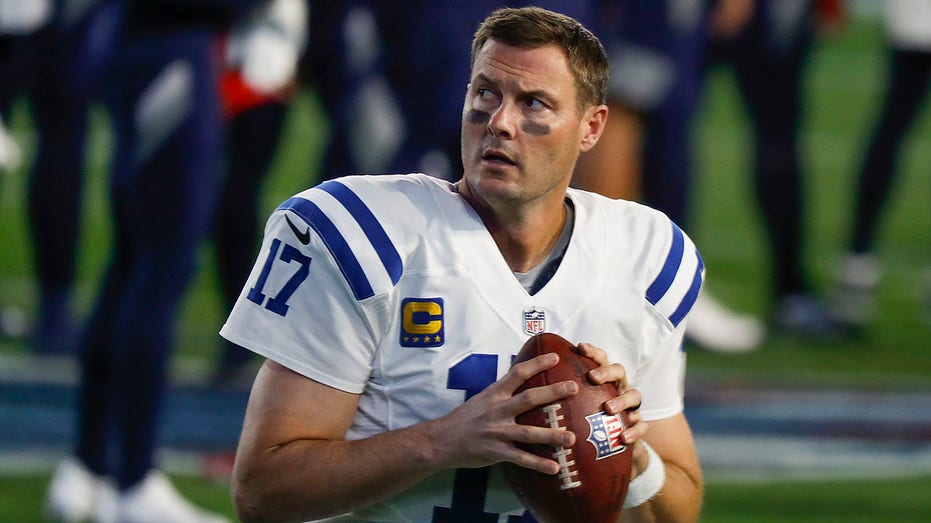
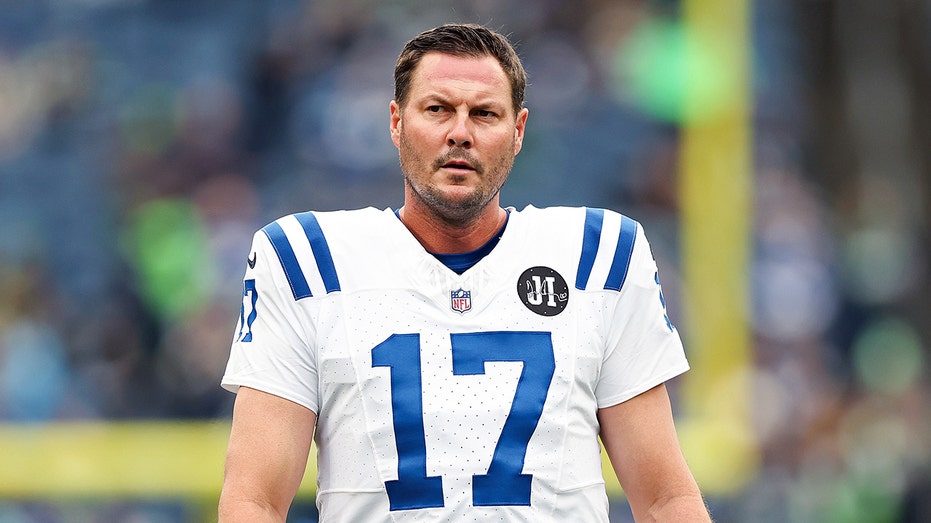
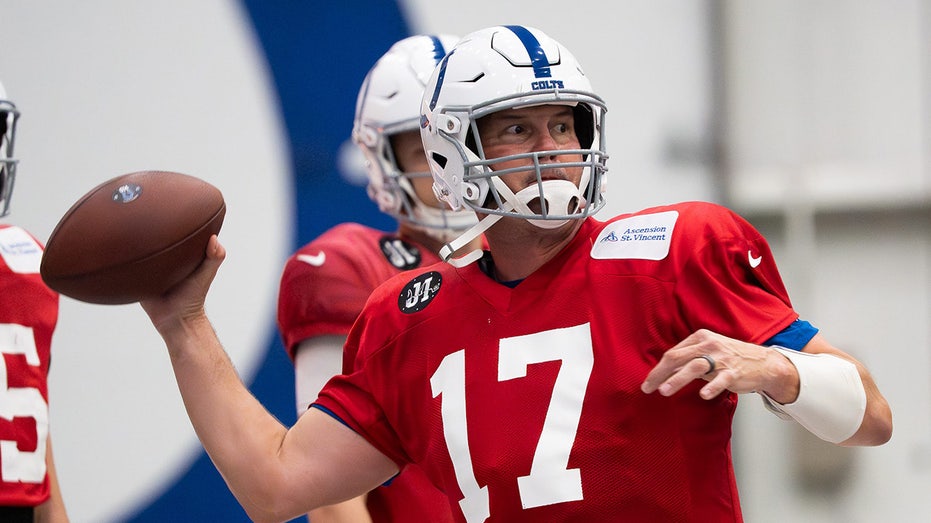
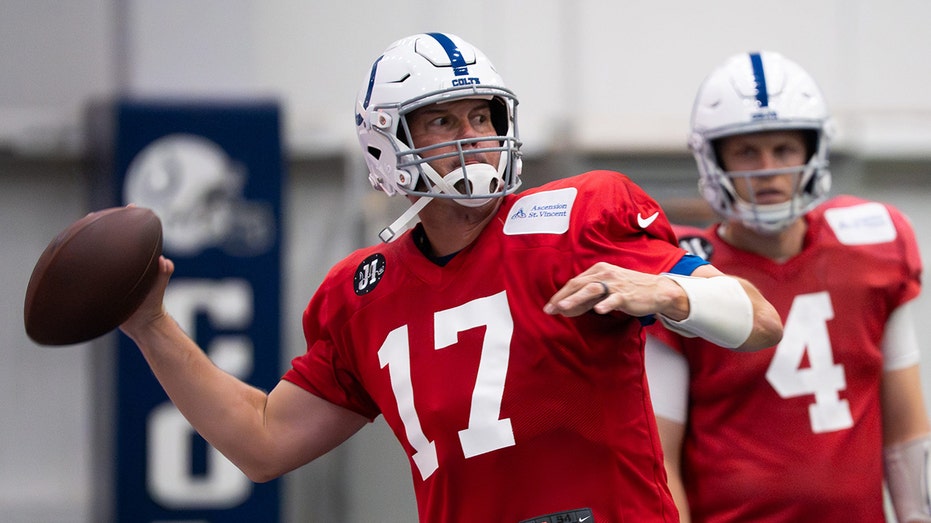
The other half of this story is the Colts’ decision to bring back Philip Rivers at age 44. That choice, combined with their pursuit of Ehlinger, reveals an organization leaning heavily on familiarity and system knowledge as a crisis response.
There’s historical precedent: the league has seen late-career or post-retirement returns like Josh McCown, Ryan Fitzpatrick’s revolving-door career, and even Aaron Rodgers attempting a rapid Achilles comeback. What’s new here is the age and gap:
- Rivers last played in 2020;
- He’s now 44, older than some position coaches; and
- The league is faster, more schematically complex, and more physically punishing than even five years ago.
By pairing a veteran like Rivers with a familiar depth option like Ehlinger, the Colts were effectively trying to reconstruct a known ecosystem overnight. Ehlinger’s absence forces them to lean even harder on Rivers, increasing the stakes of a high-variance move.
Expert Perspectives: Culture, Career Strategy, and QB Depth
Quarterback decisions like Ehlinger’s are often misunderstood as purely emotional or purely financial. In reality, they sit at the intersection of culture and strategy.
Several long-time evaluators and analysts have been sounding the alarm on how teams manage QB depth:
- Some general managers privately argue that “QB2 and QB3 are now part of your insurance policy, not just camp arms.” Ehlinger choosing stability in Denver may position him as that kind of long-term insurance asset.
- Sports economists have noted that “role security” has its own value. Being the trusted No. 3 in a coherent system can be more lucrative over five years than chasing short-lived QB2 shots in unstable environments.
What’s new is players at Ehlinger’s level acting on that logic — even when offered what appears to be a promotion.
Data & Trends: Quarterback Churn and the Rise of the ‘Professional Backup’
Several league-wide trends frame this decision:
- QB usage churn: Over the last five seasons, between one-third and one-half of all teams have started at least two quarterbacks each year. In some seasons, a full 20+ teams started three or more.
- Career arcs: Data on fringe quarterbacks shows that many bounce between three or more teams in their first four years and are out of the league by year five if they don’t find a “home” organization.
- Backup value: Established backups like Chase Daniel, Tyrod Taylor, and Jacoby Brissett have earned tens of millions by becoming trusted, system-competent veterans rather than chasing unstable starting jobs.
Ehlinger’s choice fits this emerging template: prioritize the team that sees you as part of a long-term structure over the team that sees you as a short-term patch.
Looking Ahead: What to Watch Beyond Sunday’s Kickoff
Several storylines extend beyond this week’s Colts-Seahawks matchup:
- Ehlinger’s trajectory in Denver. Does he climb to the active roster? Does the organization begin to speak of him publicly as a trusted long-term backup? That would validate his bet on stability.
- The Colts’ post-Rivers plan. If Rivers struggles or is injured, do the Colts pivot again, or double down on veteran familiarity? Their next move will reveal whether this is a one-off emergency patch or a deeper organizational pattern.
- Copycat decisions by other fringe QBs. If more practice-squad quarterbacks start turning down short-notice roster opportunities to stay with stable systems, it may force teams to rethink how they structure and compensate depth roles.
There’s also a subtle cultural question: does a player get dinged in league perception for turning down an “opportunity,” or rewarded for showing loyalty and strategic thinking? How teams answer that question will shape the next wave of quarterback decisions.
The Bottom Line
Sam Ehlinger’s choice to remain a practice-squad quarterback in Denver instead of returning to the Colts looks minor compared to the headline-grabbing comeback of Philip Rivers. But it quietly captures several deeper shifts in the NFL:
- Quarterbacks at the margins are starting to prioritize system fit, stability, and long-term role over short-term roster bumps.
- Practice squads, once a developmental afterthought, have become strategic platforms with real economic and career value.
- Teams, in response to unprecedented quarterback volatility, are leaning harder on familiarity — sometimes even calling 44-year-old retirees — rather than fully committing to unproven depth.
In a league that markets itself around superstar starters, the real strategic evolution may be happening among players like Ehlinger, who are quietly redefining what it means to build a career at the most unforgiving position in sports.
Topics
Editor's Comments
What’s striking in this story isn’t just that Sam Ehlinger said no; it’s that the decision feels rational in today’s NFL. The league used to reward players who chased every possible snap, even if it meant operating in chaos. Now, the players who survive longest, especially at quarterback, often do the opposite: they anchor themselves to a system, build political capital inside one building, and grow into indispensable backups rather than disposable placeholders. The Colts’ parallel move — turning to a 44-year-old Philip Rivers — raises its own uncomfortable question: how many franchises are masking poor succession planning with short-term familiarity fixes? As quarterback volatility increases, we may see a widening gap between teams that build a coherent depth strategy and those that lurch from one emergency signing to another. Ehlinger’s choice could be an early signal of how players will respond: by betting on the few organizations that actually offer a plan instead of a patch.
Like this article? Share it with your friends!
If you find this article interesting, feel free to share it with your friends!
Thank you for your support! Sharing is the greatest encouragement for us.