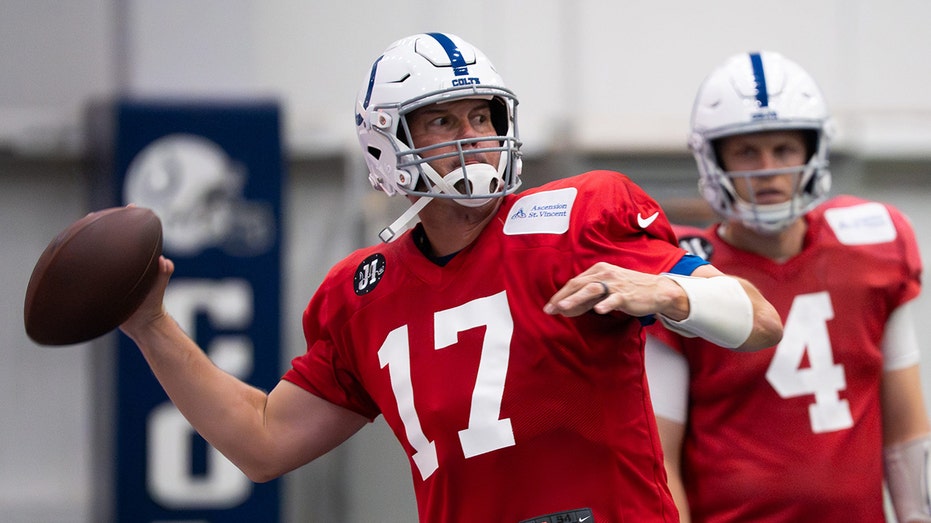
Philip Rivers at 44: How a Co-Author of the Colts’ Offense Became Their Last, Smartest Bet

Sarah Johnson
December 13, 2025
Brief
Philip Rivers’ surprise return at 44 is more than a nostalgia play. It’s a real-time test of scheme familiarity, cognitive processing, and how the modern NFL values brain over body at quarterback.
Philip Rivers at 44: Why the Colts’ Old-New Quarterback Is a Test Case for the NFL’s Next Evolution
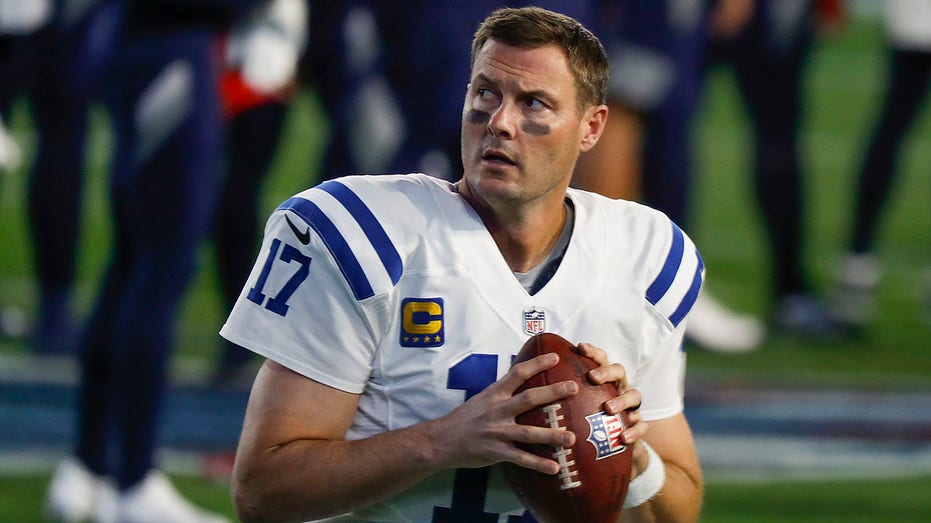
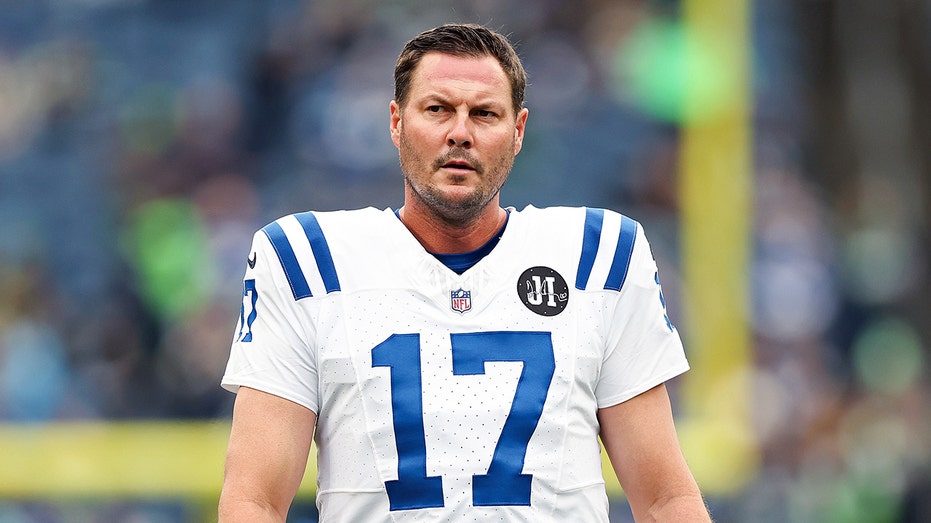
Philip Rivers’ likely return as the Indianapolis Colts’ starting quarterback at age 44 is more than a feel-good reunion story. It’s a real-time experiment at the intersection of offensive philosophy, aging athletes, and how much the modern NFL values mental processing over physical traits.
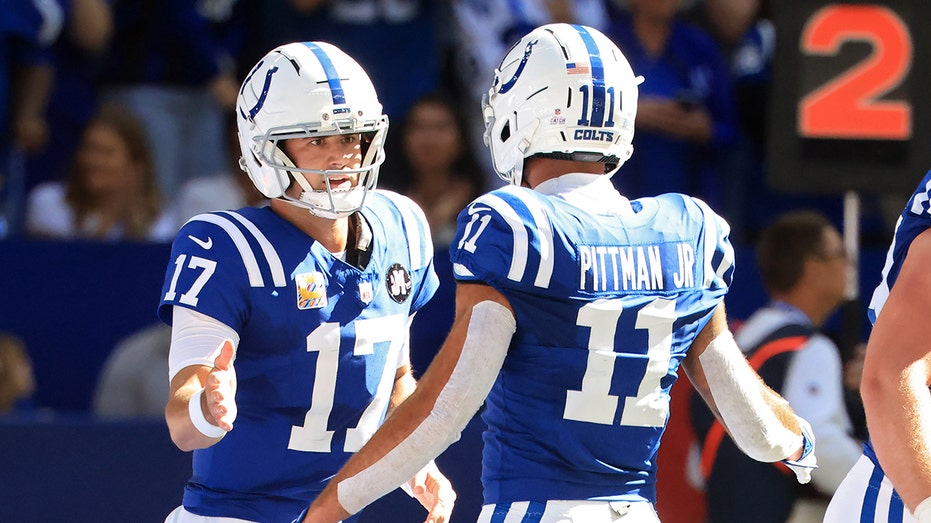
On the surface, this is about a desperate playoff-contending team turning to a retired veteran after losing quarterbacks to injury. But as Colts receiver Michael Pittman Jr. points out, the “overlooked” piece here isn’t nostalgia—it’s intellectual property. Rivers isn’t just any veteran; he is effectively a co-author of the very offense head coach Shane Steichen runs today.
The overlooked factor: Rivers as system architect, not savior
Pittman’s comment that “this offense was made by Philip Rivers” is not hyperbole. Steichen’s core offensive DNA was forged with the Chargers, where he spent six seasons working directly with Rivers, including as quarterbacks coach and offensive coordinator. That relationship wasn’t just coach-player; it was a collaborative lab.
In that period, Rivers helped refine:
- Protection checks and blitz answers: Rivers was known for full-field protection identification and late adjustments at the line, giving Steichen’s system a heavy pre-snap reliance on QB control.
- Option routes and timing throws: The offense emphasized receivers reading coverage in lockstep with the quarterback—something that demands shared mental models more than arm strength.
- Shot plays off condensed formations: The Chargers’ scheme often used compressed sets and motion to create leverage advantages, something Rivers mastered with anticipation rather than mobility.
So when the Colts turn to Rivers now, they aren’t just pulling any retired name off the couch; they’re reinstalling a quarterback who understands the conceptual backbone of what Steichen is trying to do better than perhaps any active player alive. That is the real story—and why Pittman’s confidence is more rational than emotional.
How rare is a comeback like this?
Returning to the NFL after a five-season layoff at 44 is almost unprecedented for a quarterback expected to start and meaningfully chase a playoff spot. Historically, late-career or post-retirement returns have fallen into a few categories:
- Short-gap emergency fill-ins: Think Josh McCown or Ryan Fitzpatrick—veterans hopping team to team, but without multi-year retirement gaps.
- Brief retirements turned around quickly: Brett Favre’s “un-retirements” came after short breaks while he remained physically ready and league-adjacent.
- Extended layoff comebacks: These tend to be at other positions (e.g., Rob Gronkowski returning after one season) and usually in their early 30s, not mid-40s.
A 44-year-old quarterback starting meaningful December games after five seasons away—especially in a league that’s only gotten faster and more scheme-heavy—is effectively a new test case. The fact that the Colts are even willing to run this experiment underscores two major shifts:
- The premium on cognitive processing: Teams are increasingly prioritizing quarterbacks who can win pre-snap and with timing over raw arm talent or athleticism—especially in structured offenses like Steichen’s.
- The fragility of QB depth in a 17-game season: Extended schedules, mobile-QB usage, and condensed practice time are exposing how thin most teams are at the most important position.
Why the scheme fit matters more than age
In modern NFL offense, there are broadly two ways to survive at quarterback:
- Structure-plus-processing: A system QB archetype—think Drew Brees, late-career Tom Brady, or Kirk Cousins—wins by reading defenses, throwing on time, and making the right decisions repeatedly.
- Chaos-creators: Mobile playmakers like Lamar Jackson, Josh Allen, or Patrick Mahomes, who can turn broken plays into explosives.
Rivers has always been firmly in the first camp. That profile generally ages better than the second, because high-level processing and anticipation can persist even as physical skills decline. Steichen’s scheme, rooted in what Rivers ran with the Chargers and later adapted for Jalen Hurts and Justin Herbert, is built to maximize that exact kind of quarterback.
This is where Pittman’s “overlooked” point becomes central: Rivers doesn’t need to learn Steichen’s language; he helped write it. In practice, that means:
- Terminology, route concepts, and protection rules are largely familiar.
- He can communicate tweaks directly with Steichen in a shared shorthand.
- The receivers and line may actually simplify the system—leaning into Rivers-friendly concepts that the coaching staff knows he can run in his sleep.
In a league where mid-season QB replacements often struggle to just get aligned and snapped on time, this is a huge edge.
The hidden risk: Football speed vs. classroom knowledge
But there’s a counterweight: mental mastery doesn’t fully substitute for football speed. Knowing an offense conceptually is different from seeing it full-speed behind live pass rushers after five years away.
There are several real risks that the Colts and Rivers will have to manage:
- Pass rush acceleration: League-wide pressure rates have generally risen over the last decade as defenses lean into blitz packages, simulated pressures, and line stunts. A 44-year-old, immobile QB amplifies the cost of any protection breakdown.
- Defensive disguise: Safeties and linebackers are more adept than ever at post-snap rotation. Rivers’ superpower has always been reading coverages before the snap—defenses will test whether that strength still holds.
- Timing with receivers: Even in a familiar scheme, route depth, stem tempo, and non-verbal cues are earned over reps. Pittman has evolved into a different caliber receiver since 2020; that’s a blessing and a new variable.
In other words, Rivers has the rare advantage of stepping into “his” offense, but he still has to prove he can operate it at NFL game speed after a half-decade away.
Expert perspectives: What actually travels with age?
Sports performance experts have long argued that cognitive skills in sports can age differently from physical tools.
Dr. Michael Gervais, a high-performance psychologist who has worked with NFL players, has said in prior interviews that “the decision-making and pattern recognition of elite quarterbacks can remain world-class well into their late 30s and early 40s, even as physical traits decline.” The problem isn’t knowledge—it’s whether the body can still execute decisions in the narrow time windows modern defenses allow.
Former NFL executive Bill Polian has often emphasized that “the best quarterback trait is processing speed,” arguing that’s why late-career Peyton Manning and Tom Brady could still win at high levels even when arm strength diminished. Rivers is in that same cognitive archetype—but unlike Manning and Brady, he has a long break to overcome.
Analytics analyst Warren Sharp has noted in prior seasons that Rivers’ final years showed consistent strengths in early-down efficiency and getting to the right matchup, even when his deep ball became less threatening. In a Steichen offense that uses motion, mismatches, and spacing to create easy throws, that profile still has value—if the ball arrives on time and with enough velocity.
What this says about the Colts—and the league
Rivers’ return also reveals deeper issues and trends around quarterback management in today’s NFL:
- Thin margins in roster building: A genuine playoff contender is now turning to a 44-year-old who last played in 2020. That points to how hard it is to maintain quality depth at quarterback under the salary cap.
- The volatility of modern QB health: With Daniel Jones lost to an Achilles and a rookie dealing with knee issues, the Colts reflect a broader league problem: more designed QB runs and longer seasons are increasing injury risk at the position.
- The growing importance of system continuity: Rivers is attractive not just because of his past performance but because he can drop into a scheme he understands. Expect more franchises to build “system QB trees”—where backup options are drawn from coaches’ previous stops.
This is not just about one team scrambling; it’s about how offensive ecosystems and quarterback pipelines are built in a league with unforgiving schedules.
Measuring success: It’s not just wins and losses
From a narrow fan perspective, Rivers’ comeback will be judged on whether the Colts make the playoffs. From an analytical perspective, there are subtler metrics that will tell us if this experiment is working:
- Early-down efficiency: Can the Colts stay ahead of the sticks with Rivers’ quick-game and intermediate reads?
- Sack and pressure rates: A low sack rate despite limited mobility would confirm Rivers and Steichen are still winning mentally.
- Turnover profile: Late-career Rivers occasionally forced throws aggressively. Does time away make him more conservative—or more desperate?
- Red-zone execution: This is where anticipation and precision matter most. If Rivers can restore rhythm here, the Colts get an immediate scoring bump.
Data from his final 2020 season with Indy showed Rivers still capable of top-half efficiency: the Colts finished 9th in points scored and 10th in offensive DVOA that year. The core question now is how much of that was Rivers, and how much of that remains portable at 44.
What’s being missed in mainstream coverage
Most discussion so far has fixated on age and rust, but several under-examined angles deserve more attention:
- Locker room dynamics: Rivers is not just an elder statesman; he’s a former starter returning to a team with a new leadership structure and different expectations. How he fits into an already-established culture will matter for December performance.
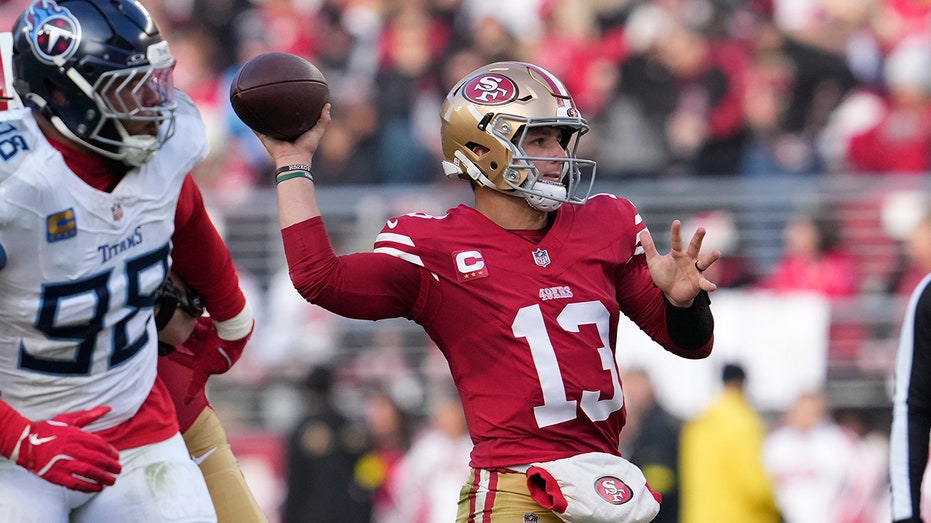
- Impact on young QBs: For a rookie like Riley Leonard, watching Rivers operate this offense from inside the building could be invaluable. Teams increasingly value “QB rooms” as developmental spaces; Rivers brings a graduate-level seminar.
- Future coaching trajectory: Rivers has long been floated as a potential coach at the high school or college level. A successful short run in a familiar scheme could accelerate his path to an NFL offensive assistant role if he wants it.
Looking ahead: What to watch over the next four weeks
If Rivers starts, the next four games become a live case study. Critical storylines to watch:
- How quickly Steichen tailors the call sheet: Expect more under-center, play-action, and Rivers-familiar concepts early as they manage his ramp-up.
- Receiver chemistry: Pittman’s confidence matters, but watch how the second and third options are used. Trust usually shows up in tight-window throws to non-stars.
- Defensive adjustments: Opponents will likely blitz early and often, daring a 44-year-old to beat pressure. If Rivers punishes that, the field opens up.
- Physical durability: Even if Rivers plays well, can his body handle multiple weeks of hits after five years away?
The bottom line
Philip Rivers’ late-career return isn’t just a curiosity—it’s a referendum on how much the modern NFL truly believes in brain over body at the most important position in sports.
Michael Pittman Jr. may be right that people are overlooking a key fact: this isn’t simply a 44-year-old quarterback trying to relive the past. It’s a 44-year-old co-author stepping back into his own playbook, in a league that increasingly rewards quarterbacks who can outthink defenses before the ball is snapped.
Whether that mental edge can outweigh five years of physical absence will tell us a lot—not just about Rivers, but about where the quarterback position is headed in the next decade.
Topics
Editor's Comments
What makes the Rivers story particularly revealing is how it exposes the structural strain at quarterback in the modern NFL. We’ve normalized the idea that teams should have both a high-end starter and a competent backup, yet the economics of the salary cap and the league’s obsession with rookie deals make that ideal almost impossible to achieve consistently. When a playoff contender is turning to a 44-year-old who hasn’t played since 2020, that’s not just a quirky narrative—it’s a symptom. The 17-game schedule, increased quarterback run usage, and condensed practice time have combined to raise injury risk while reducing development reps for backups. At the same time, coaching trees have become more scheme-specific, which paradoxically narrows the pool of viable mid-season replacements who can function in a given offense. Rivers fits because he’s essentially ‘from the system.’ Going forward, front offices may have to rethink QB depth as a strategic asset: not just a cheaper understudy, but a carefully curated pipeline of quarterbacks with shared language and concepts, even across different teams and years.
Like this article? Share it with your friends!
If you find this article interesting, feel free to share it with your friends!
Thank you for your support! Sharing is the greatest encouragement for us.