Michael Jordan's Antitrust Lawsuit Against NASCAR: Unpacking the Stakes Behind the Legal Battle

Sarah Johnson
December 6, 2025
Brief
Michael Jordan's antitrust lawsuit against NASCAR reveals deep governance and economic tensions in motorsports franchising, spotlighting the future of sports league control and team autonomy.
Michael Jordan’s Antitrust Lawsuit Against NASCAR: A Deep Dive Into Power Dynamics and Sports Business Evolution
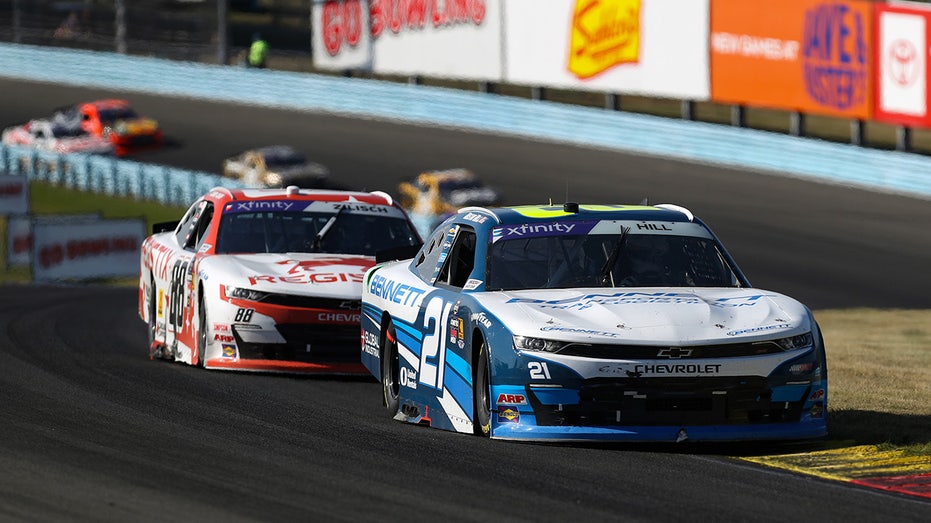
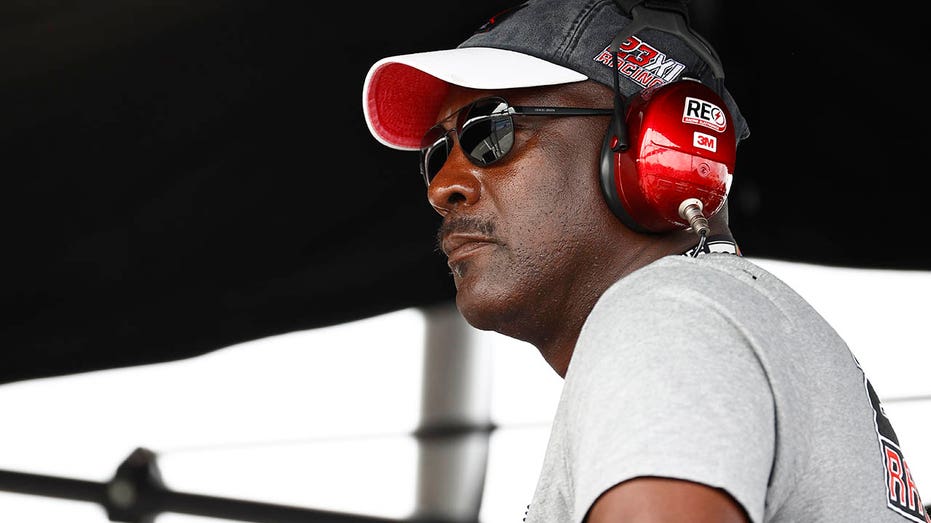
The recent revelation that NBA icon Michael Jordan has taken NASCAR to court over antitrust issues is far more than a high-profile celebrity lawsuit; it’s a critical flashpoint exposing deep structural tensions within motorsports and professional sports franchising models. This case opens a rare window into the economic choreography behind NASCAR’s charter system and raises fundamental questions about competition, governance, and revenue distribution in a sport that has long combined tradition with intense commercial interests.
The Bigger Picture: From Roots to Revenue – NASCAR's Charter Model and Its Origins
NASCAR’s charter system, introduced in 2016, was modeled to bring stability by guaranteeing participating teams entry into every race and a share of prize money. It was designed to emulate the franchise systems prevalent in other American leagues, ensuring financial certainty in a sport historically defined by independent, often family-owned teams competing in a decentralized fashion.
However, this system also consolidated control, implicitly limiting flexibility and fostering friction on issues such as charter renewals and contract terms. The legal tussle with Jordan’s 23XI Racing and Front Row Motorsports centers on the assertion that NASCAR wields monopolistic power to impose terms unfavorable to team owners, echoing broader debates within sports about the balance between centralized governance and franchise autonomy.
What This Really Means: Economic Stakes, Competitive Balance, and Governance Challenges
Jordan’s testimony highlights three core concerns: economic viability, unjust contractual conditions, and lack of negotiation openness from NASCAR. The $28 million investment for a third 23XI charter during the uncertainty underlines how entrenched these franchise rights have become as vital assets, almost akin to real estate holdings within sports.
The 112-page contract extension deadline, which some team representatives likened to a “gun to the head,” exemplifies the coercive leverage NASCAR appears to exercise. This dynamic spotlights a growing tension in sports leagues where governing bodies must maintain order and continuity, yet risk alienating or financially straining stakeholders by unilateral decisions.
Moreover, the lawsuit underscores a critical economic paradox: teams like 23XI and Front Row have made significant financial commitments without turning profits, signaling the high-risk, tightly controlled environment of modern motorsports ownership. This begs the question of whether NASCAR's governance and revenue-sharing mechanisms adequately support competitive diversity or merely entrench incumbent power.
Expert Perspectives: Insights from Sports Economists and Industry Insiders
Dr. Linda Carrington, a sports economist at University of Michigan, notes, "NASCAR’s charter system is a double-edged sword — on one hand providing financial predictability, but on the other hand, it restricts market competition and bargaining power for team owners, which is the crux of recent antitrust concerns."
Veteran motorsports analyst Tom Reynolds points out, "What Jordan and his partners challenge is how NASCAR's monopolistic control may stifle innovation and deter investment by tying up teams in rigid, lengthy contracts. This lawsuit could be a turning point similar to the one seen in NFL and NBA history when franchise rights and league control were contested."
Data & Evidence: Analyzing Investment, Profitability, and Market Control
- 23XI Racing has invested $35-$40 million since its 2021 inception.
- Front Row Motorsports owner Bob Jenkins claims $100 million in losses since team launch in early 2000s.
- Only 2 of 15 NASCAR teams refused to sign the 112-page charter extension under a six-hour ultimatum.
- Charter prices have risen steadily, with 23XI paying $28 million for a third charter amid uncertainty.
These numbers reflect high financial stakes with substantial barriers to entry and expansion—context vital to understanding the anti-trust allegations alleging monopolistic control by NASCAR.
Looking Ahead: Potential Industry Ripple Effects and Governance Reforms
The outcome of this lawsuit could reshape not only NASCAR’s business practices but also influence governance structures across motorsports and other franchise-based sports leagues. Should the court find NASCAR’s actions anti-competitive, it may force renegotiations toward greater transparency, more equitable revenue-sharing, or permanent franchise rights as sought by teams.
Long term, this legal challenge might inspire other owners or leagues to reassess charter/franchise models, weighing control against flexibility and profitability. It also raises questions about the role of star investors like Jordan in disrupting established norms, potentially accelerating modernization of traditionally rigid sports governance.
The Bottom Line
Michael Jordan’s lawsuit is more than a personality-driven media spectacle. It’s a landmark confrontation illustrating the evolving economic realities of professional sports franchising, compelling NASCAR to reckon with its governance model's limits. The trial’s ramifications could resonate beyond motorsports, potentially catalyzing reform in how sports leagues balance order, fairness, and competition in an era where ownership stakes rival major business investments.
Topics
Editor's Comments
This case brings to light a rarely discussed but critically important issue in professional sports: the tension between centralized league control and team-level financial empowerment. Jordan’s involvement elevates the debate, but the underlying conflict reflects broader challenges in how modern sports balance tradition with the demands of high-stakes business models. It raises fundamental questions—Are current franchise and charter systems sustainable? Do they promote genuine competition, or merely preserve monopolistic structures? Watching how NASCAR responds post-litigation could set precedents that ripple through the entire sports ecosystem, prompting other leagues to reexamine their own franchise agreements and governance philosophies.
Like this article? Share it with your friends!
If you find this article interesting, feel free to share it with your friends!
Thank you for your support! Sharing is the greatest encouragement for us.