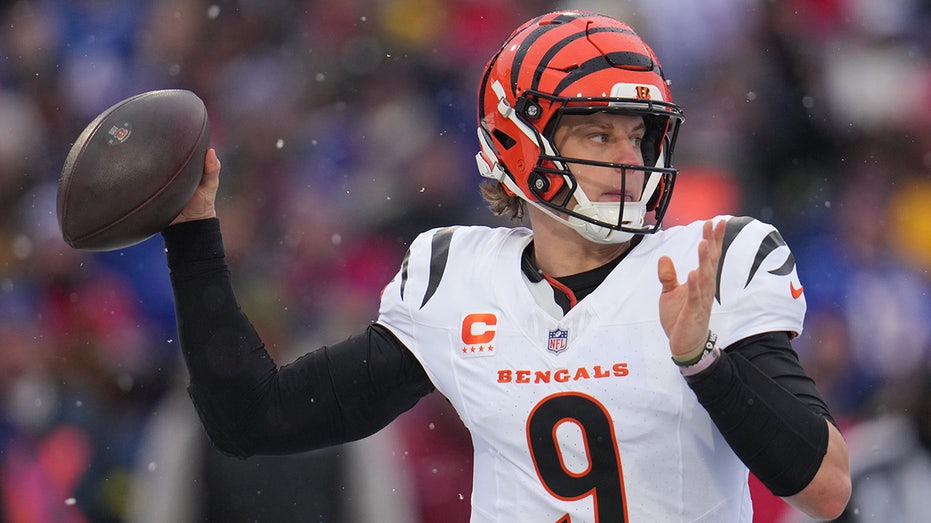
Joe Burrow’s Candid Doubt Exposes a New Reality for the NFL’s Franchise Quarterbacks

Sarah Johnson
December 12, 2025
Brief
Joe Burrow’s candid comments about fun, pain and his future signal a deeper shift in how elite NFL quarterbacks weigh health, money and longevity—and what that means for the Bengals and the league.
Joe Burrow’s Quiet Warning Shot: What His Candid Comments Reveal About the Future of NFL Quarterbacks
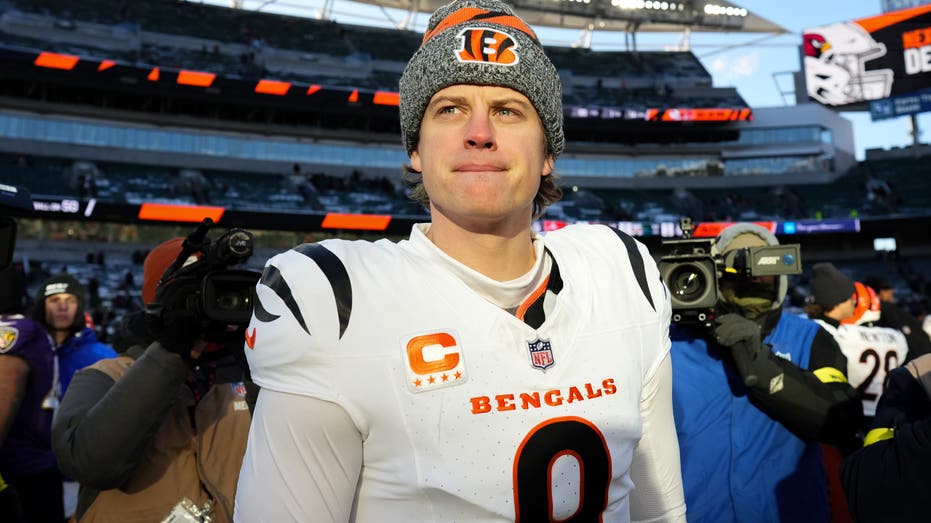
Cincinnati Bengals quarterback Joe Burrow didn’t announce a retirement, demand a trade, or hint at an immediate exit from football. But his recent comments — questioning whether the game is still “fun” after years of injuries — amount to a quiet warning shot, not just for the Bengals but for the NFL’s entire quarterback economy.
Burrow framed his future in conditional terms: “If I wanna keep doing this, I have to have fun doing it… I’ve been through a lot and if it’s not fun, what am I doing it for?” In a league that markets toughness as identity and pain as background noise, that’s a radical statement. It signals a generational shift in how elite players measure success — and how many years of their lives they’re willing to sacrifice for it.
From Franchise Savior to Cost-Benefit Analyst
When Burrow entered the NFL as the No. 1 pick in 2020, he was cast in a familiar role: franchise savior. Cincinnati’s long-term competitive identity became inseparable from his presence under center. The Bengals’ roster construction, stadium politics, and regional brand value have all been built on the assumption of a decade-plus of Burrow at or near his prime.
But his career arc has been defined as much by injury as by brilliance:
- 2020: Torn ACL and MCL in his left knee — a catastrophic rookie injury that ended his season.
- 2023: Torn ligament in his right wrist — a rare but serious injury for a quarterback.
- 2024/25: Turf toe and other nagging issues, sidelining him for multiple games.
Each episode doesn’t just cost games; it forces a recalculation. For an elite QB who has already earned a massive second contract and endorsement portfolio, the question shifts from “Can I play through this?” to “Should I?”
That’s the context for his remark: “I think I’ve been through more than most and it’s certainly not easy on the brain or the body.” This is not a hotheaded postgame outburst. It’s the language of someone doing a long-term risk-reward audit on a career that’s both lucrative and physically punishing.
The Andrew Luck Shadow — And a New Retirement Timetable
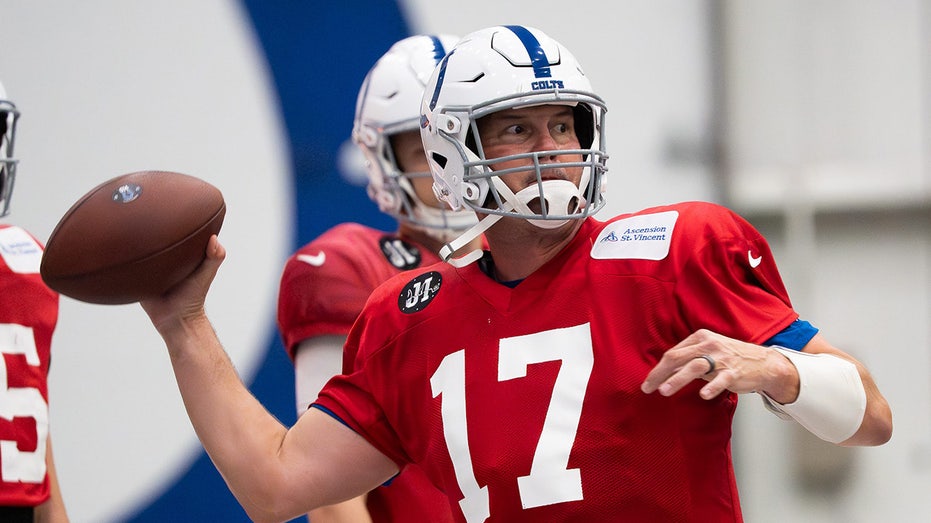
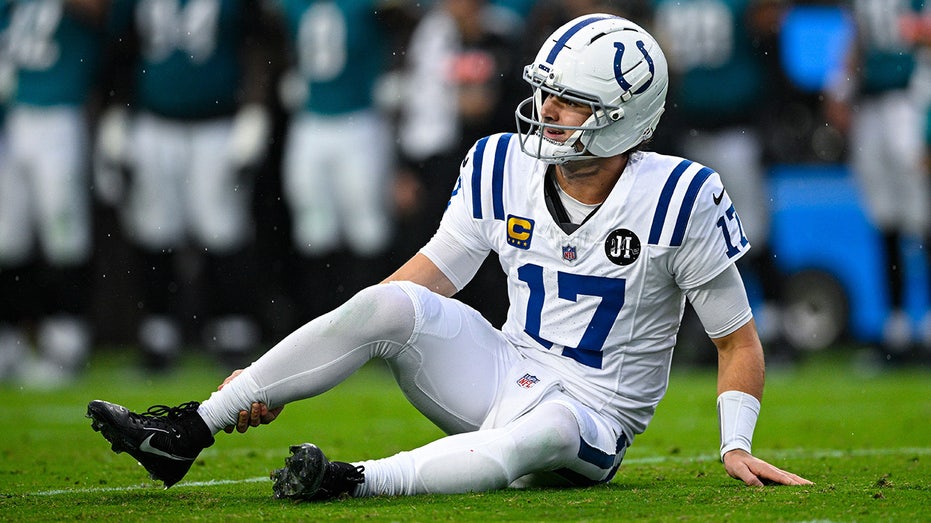
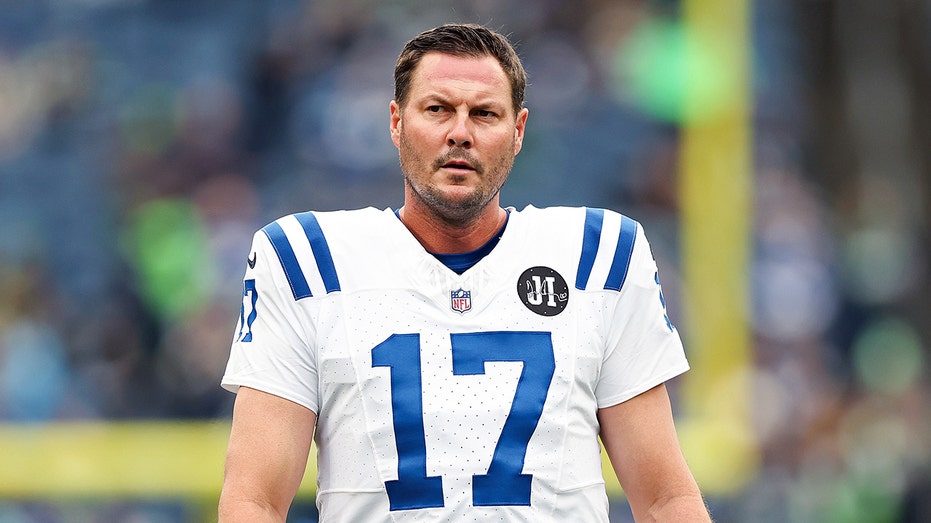
It’s no coincidence that Andrew Luck’s name surfaced in the coverage. Luck, the former Indianapolis Colts quarterback, shocked the league by retiring at 29, citing the unending cycle of injury and rehab. Until that moment, the working assumption for elite QBs was a 12–15 year career minimum, with the possibility of playing into their late 30s or early 40s.
Luck’s decision forced front offices to confront a new reality: the modern, highly educated, financially secure quarterback might simply walk away earlier than expected. Burrow’s comments don’t mean he’s on the verge of doing the same, but they show that this Luck-era thought process has moved from exception to template.
In the past, the shorthand was: More money + more protection = longer careers. Now, the calculus is more complicated. Top quarterbacks are close to financially independent by their mid-20s. Burrow’s second contract carries guarantees in the hundreds of millions over its life. That means the traditional incentive — playing as long as possible to secure generational wealth — has been partially front-loaded.
Once the money is secured, two different timelines emerge:
- Team timeline: The franchise plans for 8–12 years of contention with its star QB.
- Player timeline: The quarterback is thinking in 3–5 year blocks, reassessing after every major injury.
Burrow’s “if I wanna keep doing this” phrasing is a rare moment where the player’s shorter timeline leaks into public view.
Why This Hits the Bengals Harder Than Most
Few teams are as binary as Cincinnati when it comes to quarterback health: when Burrow is upright, the Bengals are a legitimate Super Bowl threat; when he isn’t, they’re a fringe competitor at best. That volatility isn’t just narrative — it’s structural.
Over the past several seasons:
- With Burrow healthy: Top-10 offense by EPA/play, deep playoff runs, sold-out stadiums, and surging national relevance.
- Without Burrow: Offensive collapse, declining TV appeal, and rapid exposure of depth issues elsewhere on the roster.
This reliance on a single, often-injured quarterback magnifies the impact of his words. The team’s cap strategy, draft planning, and even stadium investment assumptions are built on the idea that Burrow plays out almost all of his long-term deal.
Now there’s a new risk factor on the table: emotional fatigue. You can’t cap-manage or scheme that away.
The Mental Toll: When “Fun” Becomes a Performance Metric
The most telling part of Burrow’s comments wasn’t the injury reference; it was the insistence on fun as a precondition for continuing.
Historically, NFL culture has equated commitment with stoicism. You played hurt, kept your doubts private, and leaned into the mythology of suffering. But today’s top players are increasingly willing to talk about the mental, not just physical, cost of staying in the game.
In the last several years, we’ve seen:
- Calvin Johnson and Luke Kuechly walking away early despite elite performance.
- Growing public discourse about CTE, depression, and post-retirement health crises.
- Players like Rob Gronkowski openly describing how the “fun” disappeared under the weight of pain and pressure.
Burrow’s framing — playing only if it remains enjoyable — reflects a broader generational shift: the idea that mental well-being is as central to career decisions as contracts or rings. This isn’t softness; it’s strategic self-preservation in an environment where the long-term risks are finally well-documented.
What the Data Says About Wear, Tear, and Quarterback Longevity
Football’s violence has always been obvious, but the numbers behind quarterback durability are becoming more stark:
- According to various league injury reports, quarterbacks collectively suffer hundreds of recorded hits per season, many unflagged and underreported in terms of cumulative impact.
- Non-contact and lower-body injuries are rising as QBs are asked to extend plays, scramble more, and operate behind increasingly stretched offensive lines.
- Medical research continues to show that even sub-concussive hits can have long-term cognitive implications over time.
Burrow is not a reckless runner, but he is an extended-play quarterback — someone who holds the ball, manipulates the pocket, and waits for routes to develop. That playing style is efficient in terms of offensive output, but punishing in terms of accumulated hits.
Layer that on top of a reconstructed knee, a surgically repaired wrist, and chronic foot issues, and his comments start to read less like existential musing and more like a realistic mid-career health audit.
How Burrow’s Words Could Reshape Team Behavior
Burrow’s remarks don’t just matter for what they say about him. They offer a window into how front offices will need to adapt if more star quarterbacks adopt this mindset.
1. Roster Construction and Protection
Teams may have to treat offensive line and protection schemes as long-term QB retention tools, not just tactical necessities. If the difference between a 15-year career and a 9-year one is the number of clean pockets a quarterback gets, investment in the line becomes existential, not optional.
2. Backup Quarterback Valuation
If elite quarterbacks are more open to missing time to protect long-term health — or retiring earlier — the value of a competent backup rises. We’ve already seen a soft trend toward higher investments in QB2; Burrow’s case may accelerate that.
3. Contract Structure and Guarantees
Massive guarantees will remain, but teams may start to build more flexibility into contracts — options, non-football bonus incentives, or structures that anticipate the possibility of an early exit without framing it as betrayal.
4. Sports Science and Mental Health Integration
Organizations that can credibly say, “We’ll make your career sustainable and your life post-football livable” will have an edge in signing and retaining stars. That means more than rehab facilities; it means integrated mental health support, workload management, and honest long-term planning.
What’s Being Overlooked: The Cultural Optics of Doubt
One underexamined factor in all of this is how fan and media culture respond when a franchise quarterback acknowledges ambivalence. For decades, any public hint of doubt was framed as weakness or disloyalty. That stigma hasn’t fully disappeared.
If Burrow goes into a slump later this season or next, these comments will almost certainly be revived as a talking point: Is his heart really in it? That dynamic can create a feedback loop where players feel punished for honesty, reinforcing the old culture of silence around pain and mental fatigue.
How Cincinnati’s front office, coaching staff, and fan base react in the coming weeks will matter. If they treat his candor as something to be managed or spun, the long-term relationship strains. If they treat it as a signal to invest more aggressively in his protection and well-being, it can actually deepen trust.
Looking Ahead: Red Flags, Not Alarms
Burrow is 29. By traditional NFL metrics, he’s in his prime. There’s no immediate indication that he’s on the verge of retirement, and he emphasized that his desire to win remains intact. But there are clear red flags for the medium term:
- He has already endured multiple major injuries at key joints (knee, wrist, foot).
- He’s publicly reframed his career around enjoyment, not just achievement.
- The league’s physicality is not diminishing; defensive speed and schemes are only getting more punishing.
The plausible future scenario isn’t Burrow abruptly retiring next offseason. It’s this: two or three more injury-interrupted campaigns, a rising sense of déjà vu in rehab rooms, and a quarterback who has already made it clear he’ll only keep doing this as long as it feels worth the cost.
That’s not panic-inducing — yet. But for a franchise and a league that have built billion-dollar narratives around the idea of the indestructible franchise quarterback, it’s a reminder that the human being inside the helmet has a very different risk calculus than the people counting on him.
The Bottom Line
Joe Burrow’s comments aren’t just about one player’s frustration with injury. They’re a lens into a deeper structural shift in the NFL: a generation of quarterbacks who are financially secure enough, and culturally empowered enough, to ask whether the game is still worth their bodies and minds.
For Cincinnati, the message is clear: keeping Burrow long-term will require more than money and playmakers. It will mean building an environment where staying in the game feels sustainable — physically and mentally. For the league, it’s another reminder that the future of its most valuable position will be shaped as much by quality-of-life questions as by scheme, stats, or salary cap.
Topics
Editor's Comments
The most striking aspect of Burrow’s comments is not that a star quarterback is tired of being hurt — that’s almost predictable in today’s NFL — but that he is willing to articulate the emotional condition under which he will continue: it must be fun. That word sounds trivial, yet it’s profoundly subversive in a league that has built its mythology on sacrifice and stoicism. Historically, players who voiced doubt were marginalized or criticized, especially at leadership positions like quarterback. Burrow’s candor suggests we are entering an era where mental and emotional sustainability are as central to roster strategy as arm strength and scheme fit. The unanswered question is how organizations will respond: will they adapt by genuinely prioritizing player well-being, or will they treat these comments as PR issues to manage while business continues as usual? The answer will shape not just Burrow’s future but the trajectory of star-driven professional football.
Like this article? Share it with your friends!
If you find this article interesting, feel free to share it with your friends!
Thank you for your support! Sharing is the greatest encouragement for us.