Brown University Shooting: What the Rapid Release of a ‘Person of Interest’ Reveals About Policing, Panic, and Campus Security

Sarah Johnson
December 15, 2025
Brief
The Brown University shooting probe’s abrupt release of a ‘person of interest’ exposes deeper failures in crisis policing, campus security strategy, and due-process protections in a high-tech, high-panic era.
Brown University Shooting Probe Resets: Why Releasing a ‘Person of Interest’ Matters Far Beyond this Case
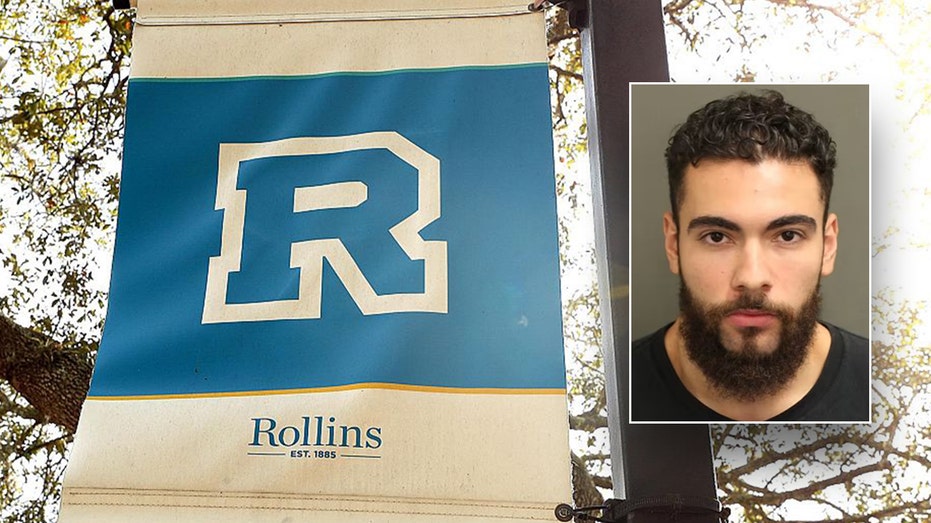
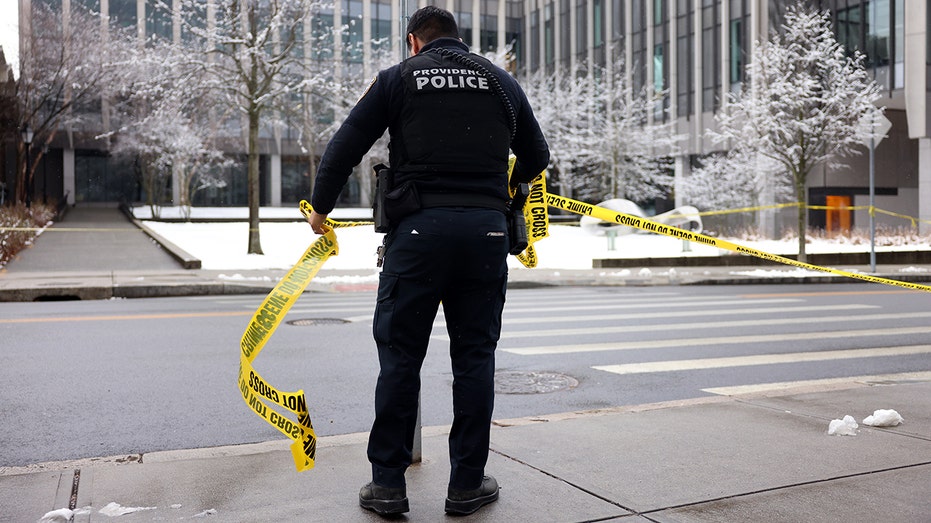
When Providence officials publicly announced they were releasing the only known “person of interest” in the deadly Brown University shooting, they did more than correct a lead in an active manhunt. They exposed, in real time, a set of fault lines at the heart of American policing, campus security, and media-driven panic: how authorities communicate during fast-moving crises, how fragile public trust has become, and how easily an innocent person can be dragged into the center of a national trauma.
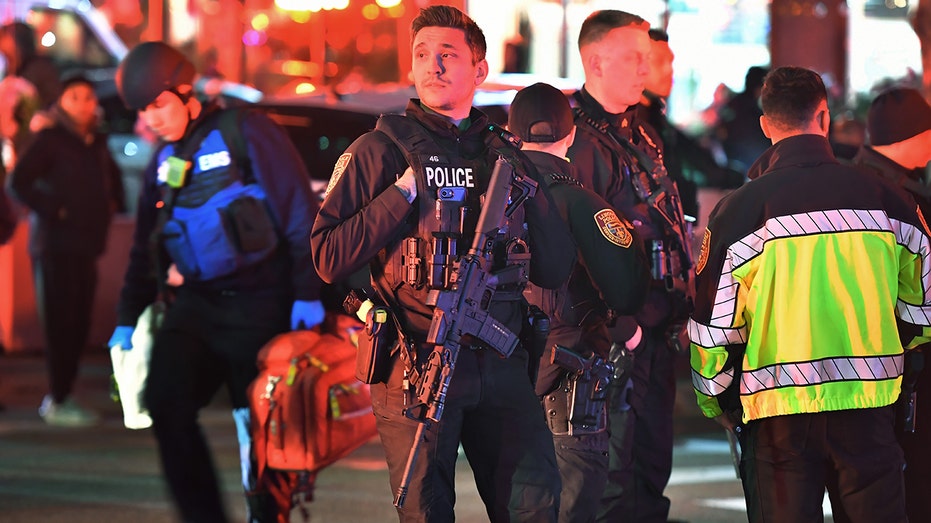
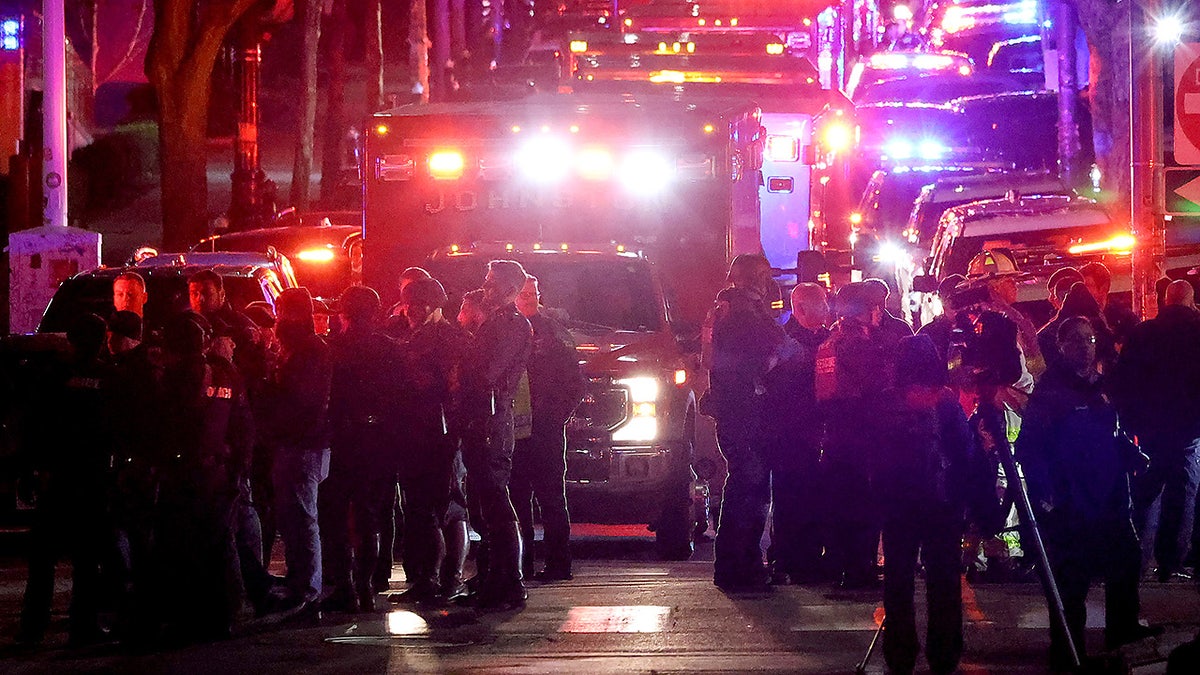
Two people dead, nine injured, and a campus on edge is already a tragedy. But the decision to publicly walk back the “person of interest” designation—after zeroing in on a geolocated individual and bringing him into custody—forces bigger questions: How robust are investigative standards in a high-pressure manhunt? How should universities and cities handle safety messaging when the suspect is unknown? And what happens to due process in the age of livestreamed fear?
The Bigger Picture: How We Got Here
Campus shootings are no longer rare anomalies; they’re a recurring feature of American life. Brown University is now part of a grim roster that includes Virginia Tech (2007), Northern Illinois University (2008), Umpqua Community College (2015), Michigan State University (2023), and the University of Nevada, Las Vegas (2023). Each incident reshapes the rules of campus security and public communication.
Historically, police responses to mass shootings at educational institutions have evolved through painful trial and error:
- Post-Columbine era (late 1990s–2000s): The focus shifted from containment and negotiation to rapid engagement of active shooters, changing training standards nationwide.
- Post-Virginia Tech (2007): Universities built emergency notification systems, mass text alerts, automated emails, and lockdown protocols.
- Post-Uvalde (2022): The public became far less tolerant of confusing or delayed police communication during critical incidents.
Overlay all of that with a media ecosystem that can transform a single descriptive phrase—like “person of interest”—into a viral identity marker. The term itself has no formal legal definition but carries heavy implications for public perception. It was popularized in the 1990s and 2000s as investigators tried to talk about potential leads without labeling them suspects. In practice, it’s often a reputational scarlet letter without the due process attached.
In Providence, Attorney General Peter Neronha’s statement—“there is no basis to consider him a person of interest”—isn’t just a procedural correction; it’s a public admission that, in the rush to act, investigators came right up to the line of misidentifying a possible suspect in a case with national political and media scrutiny.
What This Really Means: Due Process Under Pressure
The Brown case sits at the intersection of three intense pressures: a deadly crime on a prestigious campus, a political climate where any major shooting becomes a national talking point, and a public demanding instant answers.
Several dynamics appear to be in play:
1. Investigative Tunnel Vision vs. Rapid Response
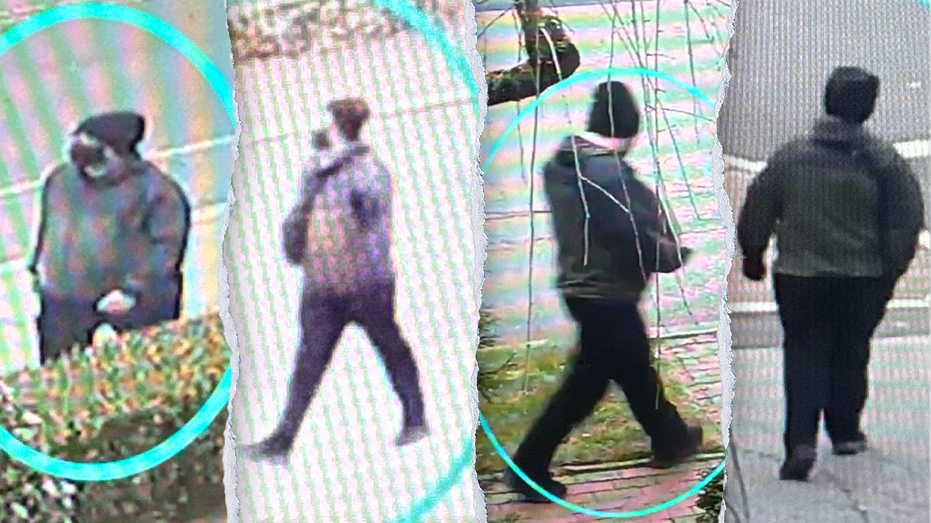
Officials confirmed they were able to “geolocate” the person of interest, suggesting the use of modern surveillance and digital tracking tools—possibly phone location data, license plate readers, or other geospatial technology. These tools can be powerful, but they also raise the risk of what investigators call “technological tunnel vision,” where one digital signal becomes the center of the narrative before all corroborating evidence is in place.
The reversal—publicly saying there is “no basis” to even consider the individual a person of interest—suggests that whatever initially linked him to the case did not hold up under scrutiny. That may mean:
- Witness descriptions were inconsistent or unreliable.
- Digital location data was misinterpreted or incomplete.
- Temporal correlations (being in the general area) were mistaken for causal links.
In a less visible case, that misstep might stay largely private. In a campus mass shooting with a media spotlight, it became a public correction.
2. The Quiet Victim: Reputation
When authorities label someone a “person of interest,” the public often hears “suspect.” Even though Providence officials ultimately reversed the designation, that doesn’t erase the reputational damage if the individual’s identity leaks or spreads online—especially in an era when social media users try to “solve” crimes in real-time.
Past incidents underscore the risk. After the 2013 Boston Marathon bombing, online sleuthing on Reddit and other platforms misidentified several innocent individuals, some of whom were harassed and permanently linked to the case in search engines. The Brown case, with mentions of geolocation and digital tracking, fits uncomfortably into that lineage.
3. Campus Fear vs. Institutional Responsibility
Brown’s statement that it had “more than doubled” its public safety staffing, while urging the community to remain vigilant, reflects a standard institutional playbook: reassure through visible security, even if concrete information about the threat is limited.
Yet that posture raises a subtle question: How long can institutions sustain a heightened security stance when the suspect is unknown and no specific threat is identified? The Providence Police note that “since the first call to 911, we have not received any specific threats to our community,” which is both reassuring and quietly revealing. The danger is not a known ongoing threat—like a targeted group—but a more generalized fear of an unidentified shooter still at large.
Expert Perspectives: The Stakes Behind the Language
Experts in criminal justice, campus safety, and communication have long warned that words chosen in the first hours of a major incident can shape public trust for years.
Renowned criminologist Prof. David Kennedy has emphasized that in high-profile violent crimes, “the legitimacy of the process is as important as the outcome.” When officials correct themselves quickly and transparently, they may avoid deep, lasting damage to community trust—but the underlying tension remains.
Campus safety specialist Dr. S. Daniel Carter has warned that universities face a dual mandate: keep people physically safe while also protecting civil liberties and avoiding stigmatizing individuals or groups based on incomplete information. “Overreaction can create its own form of harm,” he’s argued in past analyses, pointing to cases where students’ lives were upended based on unsubstantiated suspicions.
Communications scholars also note that phrases like “person of interest” function as a kind of linguistic loophole. They allow police to show progress without having to meet the evidentiary bar of calling someone a suspect. But in a media environment hungry for labels, that nuance often gets lost. Once the term is used and amplified, rolling it back—as Providence just did—is difficult and sometimes too late.
Data & Evidence: Where This Fits in the National Pattern
Several trends make this case particularly instructive:
- Mass shootings and education: According to Gun Violence Archive data, incidents that meet broad definitions of mass shootings (4+ shot, excluding the shooter) have climbed steadily over the past decade, with dozens occurring in or near educational settings.
- Public trust in institutions: Recent polls show trust in police, media, and higher education institutions has eroded in the U.S., often to historic lows. Mishandled or confusing communications after crises accelerate that decline.
- Digital forensics in policing: Law enforcement’s reliance on phone data, social media, and geolocation has increased dramatically. While these tools often help solve crimes, oversight and transparency about their use lag behind, leaving the public in the dark about error rates and safeguards.
In that context, the Brown shooting investigation is not an isolated tragedy; it is a live test of how law enforcement and universities navigate a hyper-suspicious, hyper-surveilled public sphere.
Looking Ahead: What to Watch as the Investigation Continues
With the original person of interest cleared and released, the manhunt effectively resets. Several key issues will determine the long-term impact of this case:
1. Transparency Around the Misstep
Will Providence authorities ever fully explain what led them to geolocate and detain the now-cleared individual? If it was a flawed lead, a misread data point, or an over-reliance on an algorithmic system, acknowledging that could be crucial for future reforms.
If they remain vague—citing only the “ongoing investigation”—it may feed suspicion that law enforcement is unwilling to confront weaknesses in its own tools and processes.
2. Brown’s Long-Term Security Strategy
Doubling staffing and visibly increasing patrols is a short-term response. The deeper question is whether Brown will:
- Reevaluate campus access controls, event security, or open-campus traditions.
- Invest further in threat assessment teams and early-intervention strategies.
- Expand mental health, counseling, and support systems for a community traumatized not only by the violence but by the experience of living under unclear threat.
How Brown balances openness and security will be closely watched by other universities, especially those in urban settings where campus boundaries are porous.
3. Legal and Policy Fallout
If the released person of interest faces reputational harm or employment and educational consequences, civil liberties advocates may push for stricter guidelines on when and how law enforcement can publicly use terms like “person of interest.”
There could also be renewed calls for guardrails on geolocation-based law enforcement techniques—such as geofence warrants and broad data sweeps—that can implicate large numbers of people who merely happened to be nearby a crime scene.
The Bottom Line
The Brown University shooting is, first and foremost, a human tragedy: two lives lost, nine injured, and a community shaken. But the rapid detention and equally rapid release of a person of interest brings the underlying system into focus.
This case crystallizes a set of unresolved tensions at the core of American crisis response: the demand for immediate investigative action versus the need for rigorous verification; the imperative to assure campus safety versus the risk of fueling lasting fear; and the use of high-tech investigative tools versus the protection of individual rights.
How Providence and Brown handle the next days and weeks—what they disclose about their investigative process, how they support their community, and whether they treat this as a learning moment instead of a public relations problem—will determine whether this episode becomes yet another line in a grim list, or a catalyst for a much-needed rethink of how we respond when the worst happens on campus.
Topics
Editor's Comments
What’s most striking here isn’t only the horror of yet another campus shooting, but how normalized the investigative misfire has become. We accept that in fast-moving cases, authorities will sometimes “get it wrong,” especially when leaning on geolocation or other digital tools. But we rarely ask what that error rate looks like, who bears the cost, or how often those mistakes remain invisible because the people involved never become public. In Providence, officials at least acknowledged the misstep by openly releasing the person of interest and saying there was no basis to consider him connected. That level of candor is better than silence, but it should also spark a tougher conversation: Should there be clearer legal standards for when terms like ‘person of interest’ can be used publicly? Should courts or legislatures impose more oversight on geolocation-based investigative tactics, particularly in high-profile, high-pressure cases? And are universities prepared not just to manage fear in the short term, but to push for systemic reforms that might reduce the collateral damage the next time a tragedy like this unfolds?
Like this article? Share it with your friends!
If you find this article interesting, feel free to share it with your friends!
Thank you for your support! Sharing is the greatest encouragement for us.