Inside the Tucson ICE Raid Clash: What It Reveals About Immigration Enforcement and Democratic Oversight

Sarah Johnson
December 6, 2025
Brief
An in-depth analysis of the Tucson ICE raid clash, exploring its historical context, enforcement challenges, democratic oversight tensions, and future implications for U.S. immigration policy and agency transparency.
Why the ICE Raid Clash in Tucson Matters: More Than Just a Political Dispute
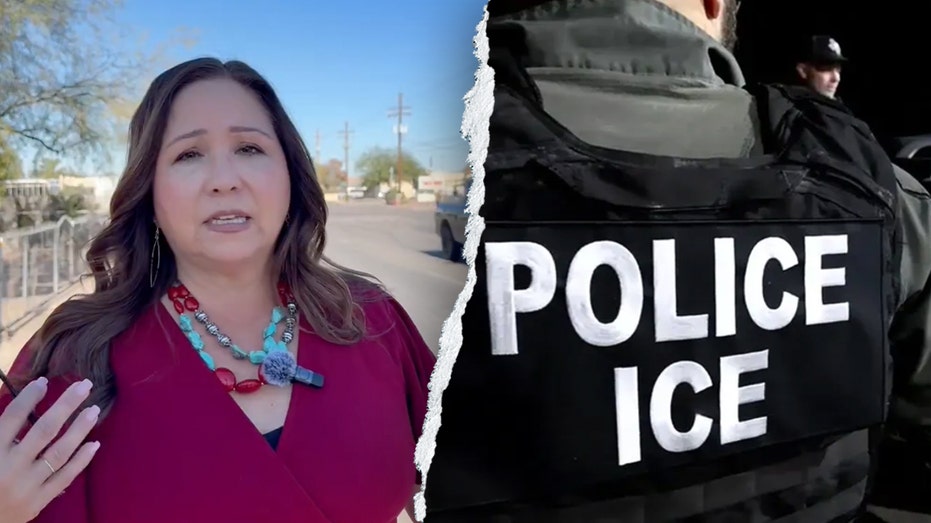
The recent confrontation between Democratic Rep. Adelita Grijalva and the Department of Homeland Security (DHS) during an immigration enforcement operation in Tucson highlights deep, persistent tensions surrounding U.S. immigration policy enforcement. At first glance, this incident might appear as another flashpoint in a polarized debate. However, beneath the headlines lies a complex interplay of historical policy shifts, evolving enforcement practices, contested civil liberties, and fracturing public trust in federal agencies. Understanding these layers is essential to grasp why this episode resonates far beyond Tucson and what it signals for the future of immigration governance and democratic accountability.
The Bigger Picture: The History and Evolution of ICE Enforcement
Created in 2003 amidst post-9/11 homeland security reforms, U.S. Immigration and Customs Enforcement (ICE) has increasingly become a lightning rod in national immigration debates. Initially tasked with dismantling criminal networks, ICE's role soon expanded into broad immigration enforcement, often focusing on deportations of undocumented individuals regardless of criminal history. This expansion sparked ongoing controversy between advocates seeking stricter border controls and civil rights defenders warning of rights violations and community harms.
Tensions intensified during the Trump administration with aggressive raids and family separations, fueling national outrage and protests. While the Biden administration pledged a more humane immigration approach, enforcement operations targeting individuals with criminal records continue, as seen in the recent "Operation Metro Surge" arrests. This duality reflects a fundamental policy dilemma: balancing public safety concerns with respecting immigrant communities' dignity and civil rights.
What This Incident Really Means: Enforcement Meets Democracy and Accountability
Rep. Grijalva’s accusation of being "pushed aside and pepper sprayed" while identifying herself as a member of Congress underscores a fraught dynamic between elected representatives' oversight roles and frontline enforcement actions. If true, such treatment raises disturbing questions about the limits of congressional access and transparency during federal operations. That Congress members—individuals charged with democratic oversight—could be confronted with force indicates a potential clash between enforcement prerogatives and democratic accountability.
Meanwhile, DHS's forceful rebuttal, which emphasized law enforcement injuries and accused Grijalva of "obstructing" operations, reflects the agency’s prioritization of operational security and authority. The language used by DHS’s Assistant Secretary Tricia McLaughlin paints a picture of enforcement officers facing dangerous, even violent, opposition, a narrative that taps deeply into public concerns about law and order.
This diplomatic and narrative fray reveals a profound challenge: Immigration enforcement in the U.S. is not merely about executing laws but is deeply entangled with questions over agency transparency, respect for oversight, and the rights of both immigrants and elected officials. The invocation of a "mob" and accusations of obstructing law enforcement escalate this beyond a procedural dispute to a symbolic battle over the character and limits of state power in a democracy.
Expert Perspectives: Bridging Policy and Constitutional Concerns
Laura Gómez, a constitutional law professor specializing in immigration rights, notes, "This clash exemplifies the growing disconnect between enforcement practices and the principles of democratic oversight. Members of Congress must have access to observe and question immigration operations to ensure compliance with constitutional protections." Political analyst Manuel Rivera adds, "The incident illuminates how immigration enforcement acts as a proxy battleground for larger ideological battles over federal authority, civil liberties, and immigrant inclusion in American society." Meanwhile, a former ICE official, speaking anonymously, highlights the operational perspective: "Agents often operate in volatile environments where any interference—even from well-intentioned observers—can escalate risks. Clear protocols are essential to balance oversight and safety." These varied viewpoints underscore the inherent complexity in reconciling security, oversight, and civil rights.
Data & Evidence: Enforcement Metrics and Public Sentiment
Recent Department of Homeland Security statistics show that ICE arrests of criminal illegal immigrants increased by 15% in the past year, signifying sustained enforcement focus despite political pressures. However, public opinion polling reveals a stark divide: A 2024 Pew Research Center survey found that 63% of Americans support deporting illegal immigrants with criminal records, but only 41% favor widespread immigration raids impacting community-centered small businesses.
The reference to "Taco Giro," a small local restaurant, symbolizes the ripple effect enforcement actions can have on immigrant communities and local economies. Research by the Migration Policy Institute finds that aggressive enforcement operations often disrupt local social cohesion, generate mistrust in public authorities, and may discourage affected communities from seeking needed government services.
Looking Ahead: Implications for Immigration Policy and Congressional Oversight
This incident could catalyze heightened congressional scrutiny of ICE operations, especially with the Congressional Progressive Caucus calling for investigations. Their push aligns with ongoing legislative efforts like the "Dignity" bill, aimed at limiting ICE detention powers and reforming enforcement practices. Should these efforts gain traction, the role and conduct of ICE may dramatically shift, potentially reducing aggressive raid tactics but risking critiques about undermining enforcement.
Furthermore, the sharp rhetoric and public confrontation signal growing polarization that may complicate bipartisan policy solutions. Future oversight mechanisms will need to carefully balance agency operational integrity with transparency and immigrant rights safeguards. Failure to do so risks further erosion of trust in both federal agencies and the democratic process.
The Bottom Line
The incident involving Rep. Adelita Grijalva and ICE’s Tucson raid offers a revealing window into the deeply contentious and multifaceted landscape of U.S. immigration enforcement. It raises critical questions about agency transparency, the scope of congressional oversight, and the human impact of enforcement actions targeting vulnerable communities. As immigration remains a central and divisive issue in American politics, episodes like this illuminate the urgent need for nuanced, balanced approaches that address legal enforcement imperatives while upholding democratic norms and civil liberties.
Topics
Editor's Comments
This episode serves as a poignant reminder of the increasingly fraught nature of immigration law enforcement in the U.S., where operational decisions quickly become symbolic flashpoints in broader political and cultural battles. The fact that a sitting Congress member alleged mistreatment during an ICE operation raises fundamental questions about transparency and the role of elected officials in overseeing powerful federal agencies. Going forward, it is crucial to explore mechanisms that protect both the safety of law enforcement and the democratic prerogatives of Congress. Moreover, the polarization manifest in responses from different political camps risks overshadowing urgent conversations about humane and effective immigration policy. We must resist letting rhetoric drive wedge politics and instead seek grounded, data-driven reforms that acknowledge the complexity and human consequences of enforcement practices.
Like this article? Share it with your friends!
If you find this article interesting, feel free to share it with your friends!
Thank you for your support! Sharing is the greatest encouragement for us.