Beyond the Arrests: What the DHS New Orleans Operation Reveals About America’s Immigration Enforcement Landscape

Sarah Johnson
December 5, 2025
Brief
In-depth analysis of DHS's New Orleans immigration crackdown reveals the complex interplay of enforcement, sanctuary policies, crime data, and political dynamics shaping America’s immigration debate.
Why the DHS Operation in New Orleans Signals a Resurgence in Federal Enforcement Focus on Criminal Immigration
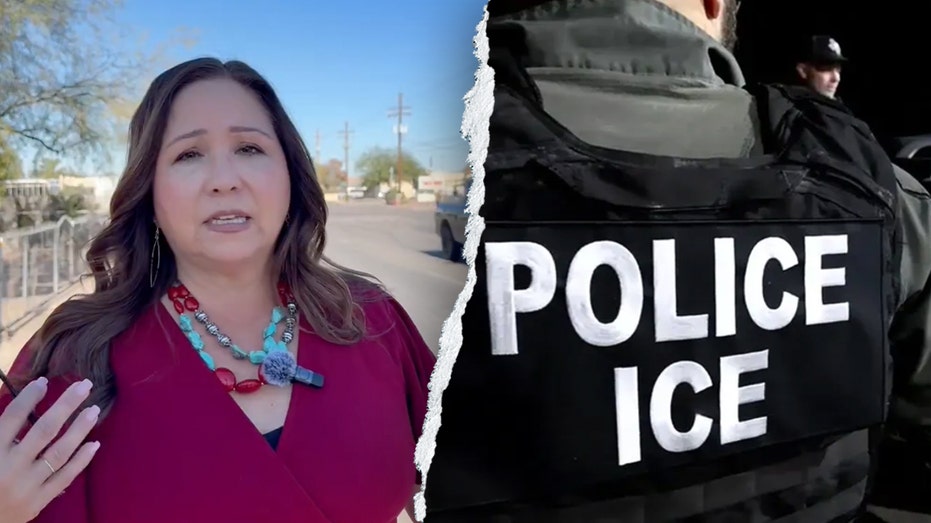
The recent Department of Homeland Security (DHS) initiative, Operation Catahoula Crunch, which resulted in dozens of arrests within a single day in New Orleans, represents a renewed federal emphasis on targeting illegal immigrants accused of serious criminal offenses. At first glance, the swift crackdown demonstrates DHS's operational capability and political commitment to public safety concerns. But this operation also unfolds amid a complex tapestry of immigration policy debates, local sanctuary jurisdiction tensions, and evolving demographic and crime trends. Understanding why this crackdown has happened now—and what it portends for the broader immigration and criminal justice landscape—requires a deeper dive into historical context, policy motivations, and future consequences.
The Bigger Picture: Historical and Policy Context
Federal immigration enforcement targeting criminal aliens has long been a contentious issue. Dating back to the 1990s with the Violent Crime Control and Law Enforcement Act, which mandated the deportation of certain non-citizens convicted of crimes, federal efforts have intermittently ramped up and relaxed depending on the prevailing administration’s priorities. The Trump administration notably increased immigration enforcement actions against those it labeled "criminal aliens," often spotlighting violent offenses to justify harsh measures and rally public support.
However, these efforts frequently collided with local "sanctuary" policies designed to shield undocumented immigrants from federal immigration enforcement, prioritizing community trust over deportation fears. New Orleans, while not a declared sanctuary city in legal terms, has grappled with tensions around federal immigration interference and local policing cooperation. DHS’s recent operation signals a return to prioritizing enforcement aggressively in such contested environments.
Moreover, the operation reflects broader demographic shifts and enforcement challenges. Immigrants from Central America, notably Honduras and Guatemala, continue to represent significant portions of recent migration flows due to economic hardship, violence, and political instability in their home countries. Southeast Asian immigrants, such as those from Vietnam, often arrive as refugees or secondary migrants decades ago but sometimes intersect with criminal justice systems, complicating narratives around immigration and crime.
What This Really Means: Underlying Causes and Broader Implications
This roundup highlights several recurring tensions: the gap between federal mandates and local jurisdictional priorities; the use of immigration enforcement as a tool to address crime concerns; and the politically charged framing of immigration as inherently linked to criminality.
Experts argue that while some arrested individuals indeed have violent criminal histories—as reported in DHS statements—conflating immigration status with criminality risks oversimplification. Much of the public debate often overlooks how socio-economic factors, integration challenges, and systemic inequalities contribute more broadly to crime dynamics than immigration status alone.
Importantly, the operation’s timing ahead of what appears to be another politically charged election cycle suggests that enforcement actions can serve symbolic as well as practical functions. Officials like Assistant Secretary Tricia McLaughlin emphasize protecting American families from harm, tapping into widespread anxieties about public safety and immigration policy gaps left by sanctuary localities. But the rhetoric implicitly critiques local policymakers, further deepening divides.
Expert Perspectives: Diverse Views on Enforcement and Community Safety
Dr. Andrea Delgado, a professor of immigration law at Georgetown University, notes, "Federal crackdowns that focus narrowly on immigration status and criminality risk alienating immigrant communities and undermining trust needed for effective policing. Addressing crime requires comprehensive community engagement, not just enforcement raids." In contrast, former ICE Director Thomas Homan has stated, "Operations like Catahoula Crunch demonstrate that enforcement remains essential to remove dangerous individuals who threaten public safety, especially when local jurisdictions fail to cooperate." These opposing viewpoints underscore the complex balancing act between law enforcement priorities and community trust.
Data & Evidence: Crime, Immigration, and Enforcement Outcomes
Numerous studies have examined the relationship between immigration and crime, generally finding that immigrants are less likely to commit crimes than native-born individuals. However, violent crime convictions among some immigrant subgroups—especially those with prolonged entanglements in the criminal justice system—do emerge in enforcement operations like this one.
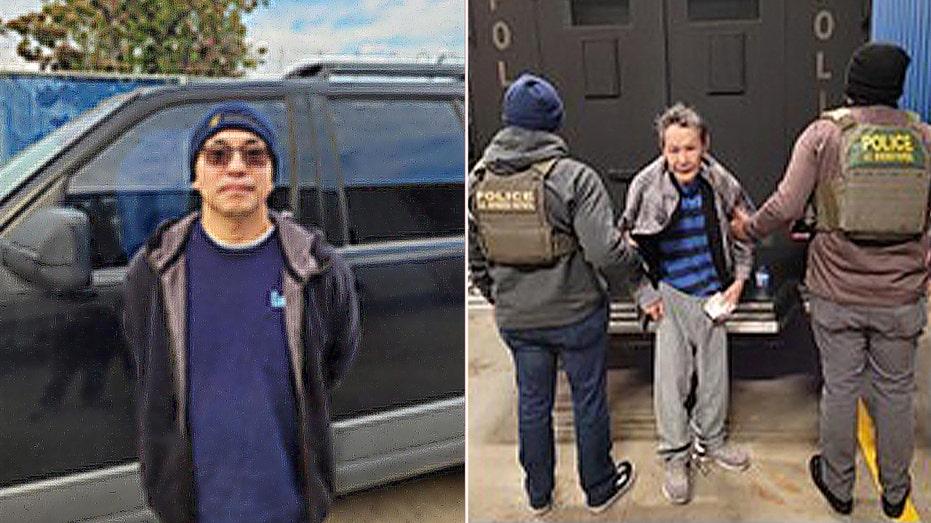
In this operation, arrested individuals face charges ranging from homicide and kidnapping to sexual assault and drug offenses. The rapid identification of these cases indicates focused targeting of individuals with existing criminal records rather than random sweeps. Still, how representative these arrests are of the broader undocumented immigrant population remains unclear.
Statistically, Louisiana’s crime rates have fluctuated over years, with New Orleans facing challenges related to violent crime, though attributing local crime trends solely to immigrant populations is unsupported by most criminological data.
Looking Ahead: Potential Consequences and What to Watch For
Looking forward, the DHS’s approach is likely to intensify enforcement in similarly contested jurisdictions, especially as political pressures mount nationally over immigration. The operation may also provoke reactions from local governments that resist collaboration, potentially intensifying federal-local standoffs and complicating community safety efforts.
Policy-wise, this raises questions about the future of sanctuary policies and the potential for legislative or judicial pushback. There is also the risk that aggressive enforcement could discourage immigrant communities from reporting crimes or cooperating with police, paradoxically undermining public safety goals.
Watch for developments in federal funding tied to cooperation with immigration enforcement, shifts in public opinion on immigration-crime narratives, and the operational expansion or scaling back of similar raids.
The Bottom Line
Operation Catahoula Crunch is more than just a law enforcement initiative; it embodies the deep intersections of immigration policy, criminal justice, and political narrative. Its arrests underscore genuine concerns about safety but also reflect the ongoing struggles over how America manages immigration, integrates diverse communities, and balances enforcement with civil rights and public trust. Understanding these dynamics is essential to meaningful dialogue about both immigration reform and public safety enhancement.
Topics
Editor's Comments
This DHS operation reawakens fundamental questions about the balance between immigration enforcement and community trust. While targeting individuals with serious criminal histories is a clear priority for public safety, the broader discourse often fails to account for the complexity of immigrant integration and systemic social issues that contribute to crime. As enforcement intensifies in politically sensitive contexts like New Orleans, policymakers and law enforcement must consider not only removing dangerous individuals but also fostering inclusive environments where immigrant communities feel secure engaging with authorities. The risk remains that politicized enforcement can deepen social divides and impede holistic crime reduction strategies. This analysis aims to cut through surface rhetoric and encourage a nuanced conversation about immigration, justice, and security in America today.
Like this article? Share it with your friends!
If you find this article interesting, feel free to share it with your friends!
Thank you for your support! Sharing is the greatest encouragement for us.