Beyond the Fireworks: What Kristi Noem’s Fiery DHS Hearing Reveals About America’s Next Security Battles

Sarah Johnson
December 12, 2025
Brief
Kristi Noem’s heated DHS hearing reveals deeper battles over immigration enforcement, drone surveillance, and congressional paralysis. This analysis unpacks the history, motivations, and long-term implications behind the fireworks.
Kristi Noem’s Fiery DHS Hearing: A Glimpse Into America’s Next Immigration and Security Battles
The confrontation between Homeland Security Secretary Kristi Noem and House Democrats was not just another partisan shouting match. It exposed three deeper, converging fault lines that will shape U.S. politics for years: the criminalization of migration, the militarization of domestic security (now extending to drones), and the slow erosion of legislative responsibility as both parties use law enforcement to wage their policy wars.
Why This Hearing Actually Matters
On the surface, the hearing was about deportations, drones, and decorum. Underneath, it was a stress test of how far the Trump–Noem Department of Homeland Security can push existing laws — and norms — without new legislation, and how far Democrats are willing to go to delegitimize the administration’s enforcement strategy.
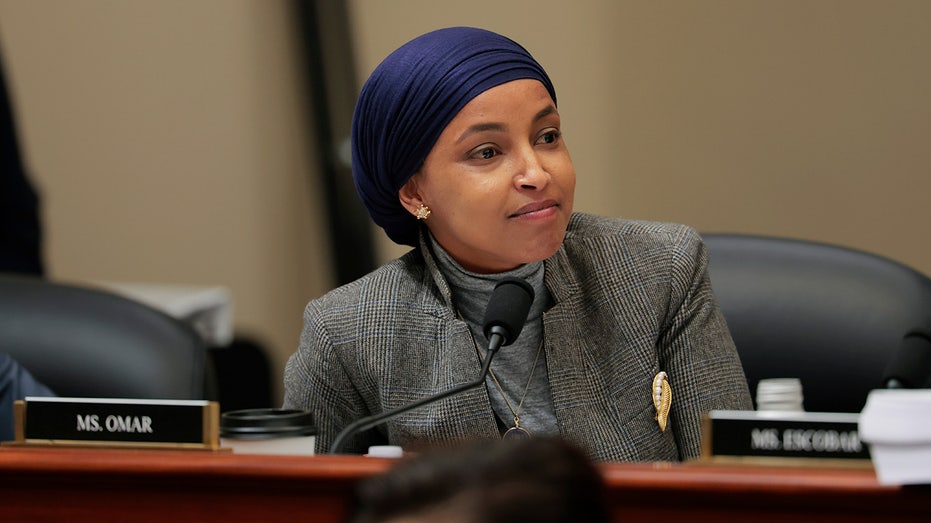
Rep. Bennie Thompson’s early call for Noem’s resignation, the focus on deportation stories like that of Army veteran Sae Joon Park, and Noem’s unapologetic insistence that “every one of our laws needs to be enforced” are all pieces of a larger story: both parties are fighting over what America’s immigration system is for — deterrence, labor control, national security, humanitarian protection, or some shifting combination of all four.
From 9/11 to Noem: How We Got Here
To understand this hearing, you have to trace the arc from 9/11 through the Obama and Trump years:
- Post-9/11 securitization: The creation of the Department of Homeland Security in 2002 fused immigration enforcement with counterterrorism. Deportation became not just an administrative issue but a national security tool.
- Obama’s enforcement paradox: The Obama administration removed roughly 3 million people, more than most predecessors, and was labeled the “Deporter-in-Chief” by activists, even as it tried to prioritize criminals and expand protections like DACA.
- Trump’s shift to maximalism: The Trump-era approach explicitly rejected narrow prioritization in favor of broad enforcement, framing unauthorized presence itself as a core security threat and political issue.
- Noem’s role: Noem’s DHS has intensified that posture, touting 2.5 million removals or self-departures and unapologetically treating deportation numbers as a metric of success.
The Park case — a long-resident green card holder and combat veteran removed after an old drug conviction and a failure to appear — is a direct product of decades of legislation (especially in the 1990s) that expanded deportable offenses and narrowed discretionary relief, coupled with newer political pressure to “enforce everything.”
What the Deportation Fight Is Really About
The hearing repeatedly returned to one core question: Is the system targeting the right people? Democrats used Park’s story to argue that rigid enforcement can become cruel and irrational. Noem countered with a hard line: the law is the law, and Congress alone is responsible for changing it.
That exchange reveals several deeper dynamics:
- Discretion vs. deterrence: Modern immigration law gives DHS enormous power but also expects executive discretion. Noem is signaling that deterrence and consistency — enforcing every law — should outweigh individualized mercy.
- Outsourcing political courage: When Noem tells lawmakers “If you don’t like the law, go change it,” she’s pointing at a real structural problem: for decades, Congress has failed to pass comprehensive immigration reform while relying on presidents and agencies to stretch or soften laws at the margins.
- Who counts as ‘deserving’? Park, a wounded veteran, is a politically powerful case study. But many long-time residents with less sympathetic biographies face identical legal structures. The fight is not just over one veteran’s fate; it’s over whether length of residence, roots, and service should weigh heavily in enforcement decisions.
What’s mostly missing from the public debate is that these outcomes aren’t accidents. They flow from deliberate policy choices and statutes — especially the 1996 immigration laws — that limited judicial review and made even relatively minor offenses deportable, often retroactively.
Drones, Domestic Security, and a New Tech Frontier
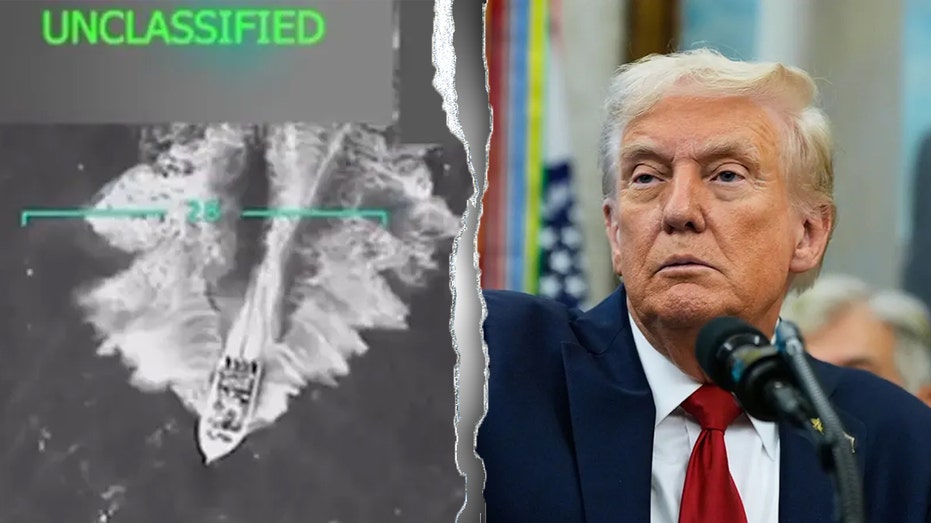
The hearing’s second flashpoint — drones and counter-drone technology — may ultimately prove even more consequential. Noem admitted that “our authorities haven’t kept up,” then touted plans to invest “upwards of $1.5 billion” in drone and counter-drone capabilities under new National Defense Authorization Act language.
This marks a new phase in the domestic security state:
- From border to everywhere: Historically, enhanced surveillance and enforcement tools were justified at the border or in foreign theaters. Drones and counter-drone systems at “celebrations and different things” — including the 2026 FIFA World Cup and future Olympics — normalize high-tech security deep inside civilian life.
- Regulatory lag: The comment that authorities haven’t kept up reflects a familiar problem: technology outpaces law, and agencies fill the gap. That can mean broadening surveillance before privacy protections and oversight structures are in place.
- New industry, new lobbying power: A $1.5 billion market in counter-drone tools will further entrench a domestic security tech sector with strong incentives to expand monitoring and mitigation authorities.
The key unstated question: how far will DHS be allowed to go in detecting, jamming, or shooting down drones in U.S. airspace, and what kinds of data will be collected on bystanders in the process? Experience with other surveillance programs suggests that once deployed for “special events,” such capabilities tend to migrate into routine policing and border work.
Protest in the Hearing Room: A Symbol of Institutional Breakdown
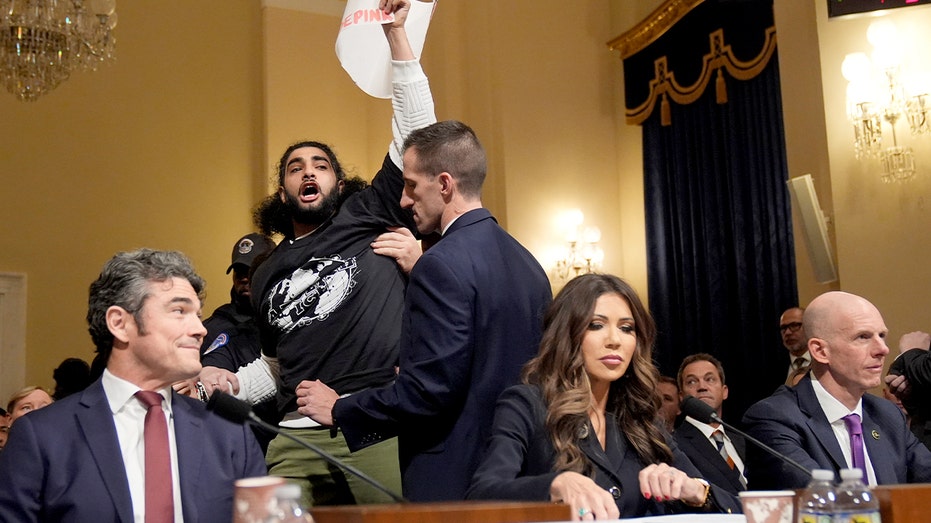
The interruption by anti-ICE protesters — one dressed as a priest shouting “The power of Christ compels you!” — might look like theater, but it signals something more serious: advocacy groups increasingly see congressional hearings less as venues for persuasion than as stages for disruption.
This reflects three deeper fractures:
- Collapse of trust in process: Many activists believe the legislative process is structurally unresponsive on immigration, given decades of failed reform attempts and rising enforcement. Disruption becomes, in their eyes, the only way to be heard.
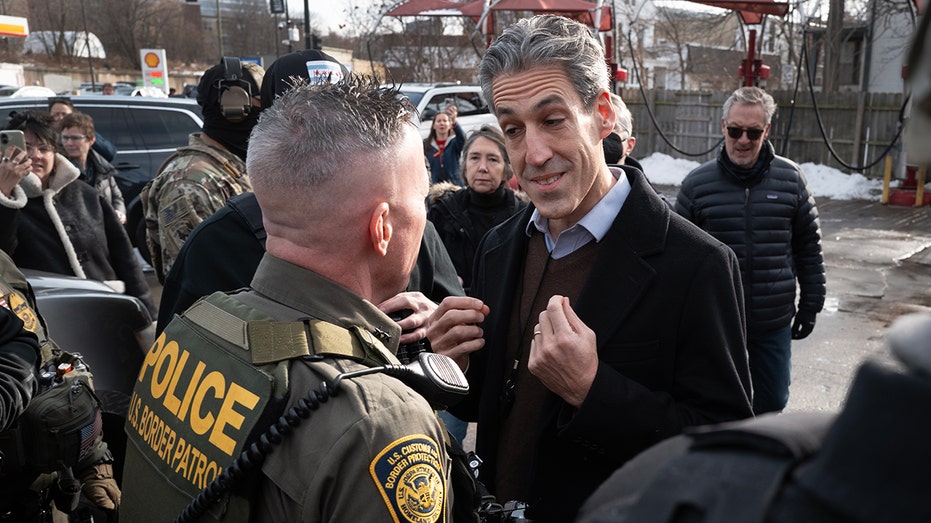
- Criminalization of protest: The reminder that interrupting Congress is a federal crime reveals a growing tension between security and civic dissent. As domestic spaces are treated more like secure zones, ordinary protest risks being recast as security threat.
- Polarized moral language: Religious imagery and exorcism language cast deportation not just as a policy disagreement but as a moral evil — a framing that makes compromise more difficult but also galvanizes grassroots organizing.
Overlooked: The Quiet Administrative Revolution
While attention focused on Noem’s tone and Thompson’s calls for resignation, a quieter story slipped under the radar: the gradual expansion of DHS’s practical power through rulemaking, guidance, and inter-agency partnerships.
Noem’s references to working with the FAA and local authorities on drone mitigation, as well as leveraging federal grants to push cities into immigration enforcement roles, are examples of what administrative law scholars call “governing by guidance.” Congress hasn’t passed sweeping new immigration or surveillance statutes, but DHS is effectively reshaping the enforcement landscape by:
- Attaching conditions to grants to nudge localities into closer cooperation
- Using existing aviation and security authorities to justify new counter-drone operations
- Expanding data-sharing networks between federal, state, and local agencies
This matters because it shifts major policy decisions away from open legislative fights and into more opaque administrative arenas, where public input and media scrutiny are far weaker.
Expert Perspectives
Immigration and security experts see the Noem hearing as a crucial inflection point.
Immigration law scholar Hiroshi Motomura has long argued that the U.S. operates on a “shadow system” where the harshness of written laws is softened — or intensified — by discretionary decisions. Noem’s insistence on enforcing “every one” of the laws is, in this framework, a deliberate move to collapse that shadow system and bring the full weight of statute onto individual lives.
Security technologists, meanwhile, compare the drone initiative to earlier expansions of surveillance. Bruce Schneier, a well-known security expert, has warned that once tools are deployed for “special, high-risk events,” they rarely stay confined to those contexts. The World Cup becomes the testing ground for a permanent domestic drone-monitoring architecture.
Data, Numbers, and What They Don’t Show
DHS’s claim of 2.5 million departures (removals plus self-deportations) under Noem’s leadership fits a broader pattern: every administration highlights its enforcement numbers to prove toughness, even as it debates priorities.
But these headline figures obscure key questions:
- What share are long-term residents versus recent arrivals?
- How many have U.S.-citizen family members or military service backgrounds?
- What’s the error rate — including U.S. citizens and legal residents wrongly detained — in a system operating at high volume?
- How many people are pushed into “self-deportation” by policy changes rather than formal orders?
Without disaggregated data, it’s impossible to meaningfully assess whether enforcement is aligned with stated priorities like removing serious criminals, or whether it has drifted toward a numbers game.
Looking Ahead: What to Watch
Several emerging fault lines will determine how this story develops:
- Court rulings on Noem’s alleged violations: Thompson’s accusations — including deportations without required court orders and the leveraging of federal grants — are being litigated. Adverse rulings could significantly constrain DHS discretion; favorable ones could effectively green-light more aggressive tactics.
- Congressional paralysis vs. backlash: If Congress continues to avoid substantive immigration reform, expect more unilateral executive actions, more lawsuits, and more performative hearings like this one.
- The drone security framework: Future FAA-DHS agreements and implementing rules under the NDAA will quietly define how much drone-related surveillance and interdiction becomes normalized in everyday American life.
- Public opinion on “deservingness”: Cases like Park’s can catalyze bipartisan discomfort with overly rigid enforcement, especially for veterans and long-term residents. That could drive piecemeal legislative fixes, even if broader reform remains stalled.
The Bottom Line
The Noem hearing was a proxy battle over three intertwined questions: How hard should the U.S. enforce its immigration laws when those laws are widely acknowledged as outdated? How much high-tech surveillance and counter-drone power should DHS wield within U.S. borders? And who, ultimately, bears responsibility when the system produces outcomes that feel both lawful and unjust?
As deportation numbers rise and domestic security becomes more technologically sophisticated, those questions won’t be settled by a single hearing — or a single secretary. But this clash offered a stark preview of the political and moral arguments that will define the next phase of American immigration and security policy.
Topics
Editor's Comments
One underexplored angle in this hearing is how both parties benefit politically from maintaining a broken system. Republicans gain from highlighting large deportation numbers and a narrative of law-and-order toughness, while Democrats gain from high-profile horror stories that mobilize their base and advocacy groups. Yet neither side has invested the political capital necessary to push through comprehensive reform that would rationalize the system and clarify priorities. Instead, we get a cycle of executive overreach, courtroom battles, symbolic hearings, and grassroots disruption. The emerging drone and counter-drone architecture fits a similar pattern: lawmakers authorize broad spending in defense bills without fully debating domestic implications, leaving agencies to define the contours of new surveillance regimes. The result is a quiet expansion of state power that is only intermittently visible in moments of televised conflict like this hearing. The real work for journalists and citizens is to track those structural shifts long after the cameras have turned away.
Like this article? Share it with your friends!
If you find this article interesting, feel free to share it with your friends!
Thank you for your support! Sharing is the greatest encouragement for us.