Winter Skin in an Extreme-Weather Era: The Hidden Health Risks Behind Cozy Comforts

Sarah Johnson
December 12, 2025
Brief
Winter skin advice hides a bigger story about climate extremes, indoor living, fabric choices and energy insecurity. This analysis explains how cozy habits quietly shape health far beyond cosmetics.
Winter Skin in an Extreme-Weather Era: Why Your Cozy Habits Matter More Than Your Moisturizer
Winter skin advice is usually framed as lifestyle fluff: wash your scarves, swap fabrics, don’t overheat your bedding. On the surface, this latest round of tips about scarves, blankets and hot water bottles looks like more of the same. But beneath the product talk is a much bigger story about how our homes, our climate and our health habits are colliding in ways that dermatology and public health are only starting to reckon with.
What sounds like simple guidance on laundry frequency and fabric choice is actually a window into three deeper trends:
- the rapid growth of indoor, low-grade skin stress driven by modern living conditions,
- an overlooked link between energy insecurity, extreme winter weather and preventable skin and soft-tissue damage, and
- a persistent gap between the skin-care people buy (serums, actives, procedures) and the skin-care that actually prevents disease (barrier protection, hygiene, safe heat).
How We Got Here: From Drafty Houses to Overheated Microclimates
Historically, winter skin risk was dominated by the outdoors: frostbite in poorly insulated homes, chapped hands in unheated factories, windburn for soldiers and laborers. Today, especially in wealthy countries, the main battlefield has shifted indoors.
Three key changes over the last 50 years help explain why seemingly innocuous winter comforts now show up in dermatology clinics:
1. Tighter buildings, drier air
Energy-efficient construction has made homes and offices far less drafty, which is good for heating bills but not for skin. Tighter envelopes plus central heating can push indoor humidity down to 10–20% in winter. Dermatologists generally recommend 40–60% to maintain a healthy skin barrier. Below that range, the stratum corneum (the skin’s outermost layer) loses water, micro-cracks form, and irritants and bacteria penetrate more easily.
In that context, scarves, plush throws and polyester bedding don’t just keep us warm; they create miniature “microclimates” that trap sweat, oil and heat against already compromised skin. The result is a rise in acne mechanica (breakouts triggered by friction and occlusion) on the neck, jawline and chest—exactly the pattern the article flags.
2. The fleece and polyester revolution
Over the past few decades, synthetic fabrics have steadily replaced cotton and wool in everyday winter gear. Global polyester production has grown from under 2 million metric tons in 1975 to over 60 million metric tons today. These fibers are cheap, durable and warm—but they’re also less breathable. That means they trap moisture and bacteria more efficiently against the skin, particularly in areas where fabric fits snugly.
Cotton and linen—highlighted briefly in the original piece—don’t just “feel nicer”; they change the micro-environment on the skin. They wick and release sweat rather than holding it in a warm, nutrient-rich film that feeds Cutibacterium acnes and other microbes linked to acne and folliculitis.
3. The rise of 24/7 contact
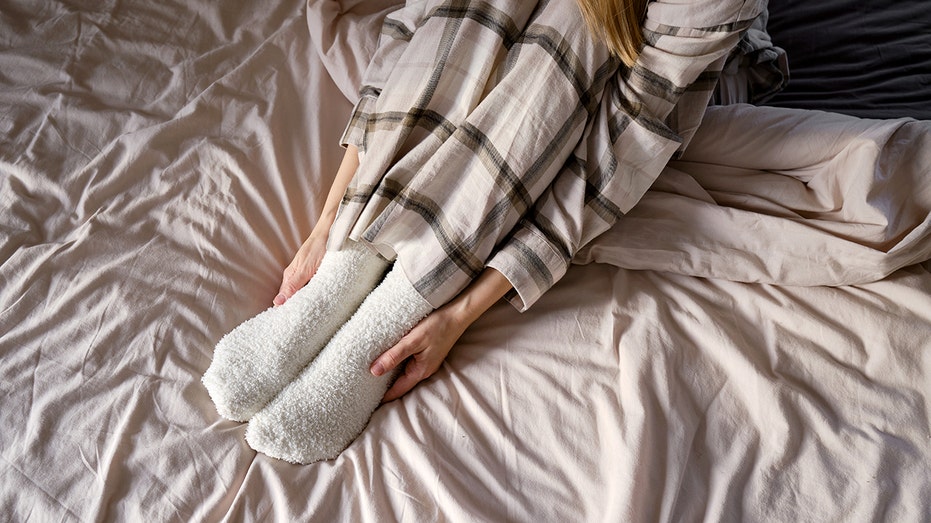
Hybrid work, streaming culture and longer hours at home translate to longer exposure to the very textiles and heating devices that irritate skin. A scarf worn for a brisk commute is one thing; that same scarf worn indoors for hours in a heated office, then thrown over the couch and reused for days, is another. Similarly, heated blankets and hot water bottles that might once have been used briefly are now bedtime companions for entire evenings.
Dermatologists describe a quiet surge in conditions linked to chronic low-level heat and friction—from heat rashes to low-grade burns to worsening eczema on contact points like the lower back, thighs and abdomen.
What These “Cozy” Risks Really Tell Us About Skin Health
The practical tips in the story—wash fabrics frequently, avoid boiling water in hot bottles, choose breathable materials—are sound. But they sit atop deeper, often overlooked realities about how skin disease is distributed and why some people are more vulnerable than others.
Skin as an early warning system for wider health stress
Skin often signals systemic issues early: dehydration, poor sleep, high stress, uncontrolled diabetes, even nutritional deficiencies. When winter habits drive more breakouts, eczema flares or irritation, it’s rarely just about cosmetics. In very dry, heated environments, impaired skin barriers can increase the risk of infections, especially in people with diabetes, immune suppression or chronic illnesses.
Frequent friction and low-level heat over the same body areas can also worsen conditions like hidradenitis suppurativa (painful bumps in skin folds) or rosacea. These aren’t simply aesthetic concerns; they carry pain, stigma and significant mental health burdens.
Energy insecurity and “desperation heating”
The piece briefly notes the burn risks of heated blankets and hot water bottles, but misses the broader driver: energy insecurity. As heating costs rise, more households turn down thermostats and use localized heat sources—space heaters, heating pads, hot water bottles—for longer periods and at higher settings.
In the UK and parts of Europe, hospitals have reported increases in contact burns from hot water bottles in recent winters. These injuries cluster among older adults, children and low-income households—demographics more likely to ration central heating. Skin damage here becomes a proxy for economic stress, not just poor choices.
Clean textiles as a public-health intervention, not a luxury habit
Recommending pillowcase changes every two to three days and weekly sheet washing is dermatologically sound. But for households juggling multiple jobs, limited laundry access or water costs, these guidelines can be aspirational rather than realistic.
Public health messaging rarely frames clean textiles as a foundational preventive tool on par with handwashing, but the evidence argues it should. Studies of hospital linens, gym towels and shared uniforms show that textiles are efficient vectors for bacteria, fungi and mites. In winter, when people spend more time indoors and infections spread more easily, unwashed bedding and blankets can magnify skin problems and, in some cases, staph or fungal infections.
Expert Perspectives: Beyond Beauty Tips
Dermatology and environmental health experts tend to converge on a few principles that provide a wider frame for the story’s advice:
On fabric choice and friction: Acne mechanica—once primarily a sports and military issue—has gone mainstream. The same mechanisms behind “maskne” during the pandemic apply to scarves and high-collar coats: pressure, rubbing, heat and trapped sweat. Dermatologists now routinely ask detailed questions about clothing and bedding when evaluating winter breakouts.
On chronic heat exposure: Long-term, repeated exposure to moderate heat can cause a condition known as erythema ab igne, a netlike brownish discoloration of the skin historically seen in people who sat close to open fires. Today it is increasingly linked to laptops on laps, heating pads, car seat heaters and, yes, heated blankets and hot water bottles used nightly. While rare, chronic cases have been associated with skin cancer in the affected areas.
On sleep, skin and mental health: Sleep medicine experts note that many people rely on heated bedding to fall asleep faster in cold weather. But overheating the sleep environment can reduce sleep quality, indirectly impairing skin repair, which happens most intensely at night. This creates a loop: poor sleep worsens skin; skin problems worsen sleep and self-esteem.
The Data: How Big Is the Problem?
Hard numbers specifically tying winter textiles to skin disease are limited, but adjacent data points paint a suggestive picture:
- Acne affects up to 85% of people aged 12–24, and adult acne has been rising, especially among women. Environmental factors, including friction and occlusion from clothing and bedding, are increasingly recognized as triggers.
- Atopic dermatitis (eczema) affects around 10–20% of children and 3–10% of adults in many industrialized countries. Winter is a major flare season, driven by low humidity, hot showers and heavy clothing.
- Burn centers in several countries have reported that hot water bottle burns are among the more common preventable domestic burns in winter, particularly in older adults and people with reduced sensation (for example, due to diabetes or neuropathy).
- Indoor humidity measurements in heated homes routinely fall below 30% in peak winter, a range associated with increased respiratory infections and skin dryness.
These figures suggest that the small choices highlighted in the story—fabric type, wash frequency, heat settings—are touching a very large population baseline of vulnerability.
What’s Missing From Mainstream Coverage
Most winter skin advice, including this piece, tends to be individualized: here’s what you should buy, wash, or avoid. Three key elements are under-addressed:
- Structural barriers: Not everyone can afford breathable cotton bedding, frequent laundering, or more efficient home heating. Without acknowledging this, advice can sound like subtle shaming rather than support.
- Intersection with chronic disease: For people with diabetes, blood disorders, spinal cord injury or immune suppression, a hot water bottle burn or a recurring rash is not a cosmetic nuisance; it’s a potential gateway to serious infection.
- Policy and housing standards: Indoor humidity, thermal comfort and the safety standards of consumer heating devices are public health issues, not just lifestyle choices. Housing policy that improves insulation and ventilation may do more for winter skin health than any single product or routine.
Looking Ahead: What to Watch as Winters Get Colder—and Weirder
As climate change drives more weather extremes, paradoxically including dangerous cold snaps, we can expect several trends to intensify:
- More localized heat use: Longer, harsher cold spells encourage greater reliance on personal heating devices, with increased risks of burns, heat rashes and chronic pigment changes.
- A growing market for “smart” textiles: Expect more antimicrobial, moisture-wicking and temperature-regulating fabrics marketed for winter bedding and loungewear. These could help—but only if they’re affordable and properly studied for long-term skin impact.
- Tele-dermatology demand: Remote consultations for winter skin conditions are likely to grow, especially in rural or under-resourced areas. Clinicians will increasingly need to ask about home environments, fabrics and heating practices—not just products on the bathroom shelf.
- Public health campaigns: There is room for campaigns that treat textile hygiene and safe heating as basic winter health measures, alongside flu shots and handwashing.
The Bottom Line: Winter Skin Health Starts in Your Linen Closet, Not Your Medicine Cabinet
The core message hiding inside this lifestyle story is straightforward but powerful: in winter, the materials that touch your skin for hours—scarves, blankets, sheets, heated devices—may matter as much as the creams you apply.
For individuals, the most impactful steps are often low-tech:
- favor breathable, natural fabrics where possible, especially on areas prone to breakouts;
- wash high-contact textiles (pillowcases, scarves, synthetic throws) more often than you think you need to;
- treat heated blankets and hot water bottles like medications: lowest effective “dose,” limited duration, never directly on bare skin; and
- pay attention to patterns—redness, rashes or breakouts that match fabric contact areas are data, not vanity.
For policymakers and health systems, the story points toward a wider agenda: safer housing, clearer consumer safety standards, and public messaging that treats skin as a frontline organ in winter health, not an afterthought.
Winter skin isn’t just about looking better in cold weather photos; it’s a small but telling measure of how well our homes, our economies and our health systems are adapting to an era of more extreme seasons.
Topics
Editor's Comments
The original piece treats winter skin care as an individual lifestyle choice: wash this more, avoid that fabric, turn down the heat on your blanket. That framing is useful but incomplete. It doesn’t wrestle with the economic and infrastructural realities driving many of these risky behaviors. Households that stretch hot water bottles or heated blankets because they can’t afford higher thermostat settings are making rational trade-offs in an irrational energy system. Likewise, the advice to wash bedding every few days presumes reliable access to in-home laundry, affordable water and detergent, and enough time to do multiple loads a week—conditions far from universal, even in wealthy countries. From a policy perspective, winter skin should be a small but telling indicator of where housing, health and energy policy intersect. Better insulation, safer and more efficient heating devices, and support for laundry access in low-income housing would arguably do more for population-level skin health (and burn prevention) than any product-focused campaign. The question we rarely ask is: why do so many people still need to ‘hack’ their winter comfort with high-risk improvisations in the first place?
Like this article? Share it with your friends!
If you find this article interesting, feel free to share it with your friends!
Thank you for your support! Sharing is the greatest encouragement for us.