
Why Schumer’s Obamacare Subsidy Extension Faces a Rocky Road Ahead

Sarah Johnson
December 4, 2025
Brief
An in-depth analysis of Schumer's Obamacare subsidy extension plan reveals the complex political impasse, expert insights, historical context, and far-reaching implications for American healthcare affordability.
Decoding Schumer's Obamacare Fix Plan and Why It Faces an Uphill Battle
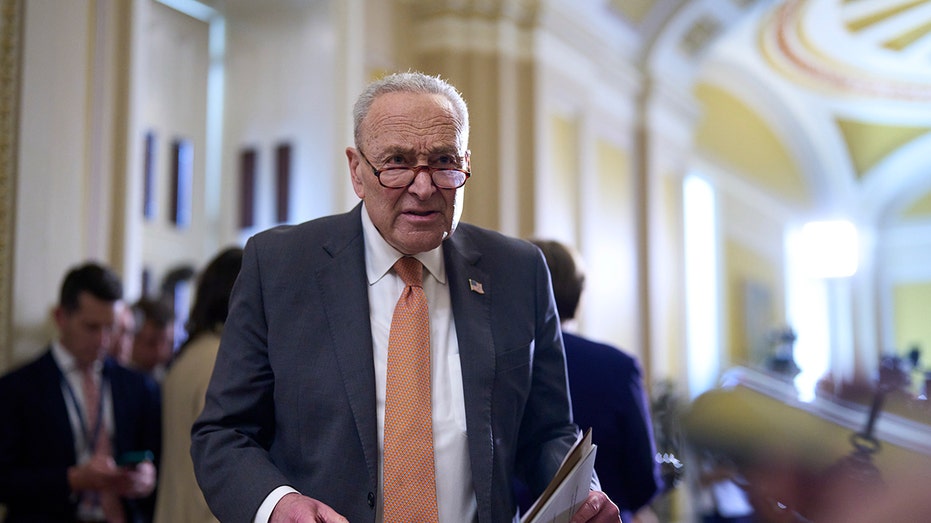
Senate Majority Leader Chuck Schumer’s recent unveiling of a clean, three-year extension of the Affordable Care Act (Obamacare) subsidies highlights not just a ticking legislative clock but also entrenched partisan divides at a pivotal moment for American healthcare. On the surface, this seems like a straightforward effort to prevent premium hikes by continuing taxpayer-funded subsidies. Yet the battle over Obamacare’s future reveals far deeper ideological conflicts and policy challenges that show why such bipartisan consensus has eluded lawmakers, and what is truly at stake for millions of Americans counting on affordable coverage.
The Bigger Picture: From Obamacare’s Promise to Political Gridlock
The Affordable Care Act, enacted in 2010, aimed to expand healthcare coverage through a combination of mandates, subsidies, and insurance market reforms. Key to its operation are the premium tax credits that lower insurance costs for middle- and lower-income Americans. These subsidies have been subject to periodic congressional adjustments and regulatory tweaks, especially after the 2021 American Rescue Plan which temporarily expanded subsidy eligibility and amounts to mitigate COVID-era disruptions.
The expiration of these enhanced subsidies by the end of this year threatens to sharply increase premiums for millions, effectively reversing recent affordability gains. Historically, health policy in the U.S. has oscillated between efforts to widen access and political resistance to expanding government spending or involvement. The present impasse echoes decades of partisan stalemate where even widely popular provisions become ensnared by broader ideological battles over the role of government in healthcare.
What This Really Means: Political Chess Over Healthcare Access
Schumer’s straightforward ‘clean extension’ proposal—without reform or conditions—reflects Democrats’ strategic calculus to prioritize immediate stability over contentious policy overhauls. This stance is rooted in protecting constituents who rely on subsidies to afford coverage and avoiding underwriting political fights that could delay or derail the renewal process.
Republicans, however, view repeated extensions without reforms as perpetuating what they see as unsustainable federal spending and incentive structures. Their push for reforms including income caps on subsidies and clauses ensuring taxpayer dollars are not used for abortion-related services reveal broader ideological objections to the scope and nature of the ACA’s subsidies.
Furthermore, the GOP’s preference for redirecting funds towards Health Savings Accounts (HSAs) seeks to shift healthcare financing towards consumer-driven models, which they argue encourage individual responsibility but critics say could disadvantage poorer or sicker individuals by increasing out-of-pocket costs.
Expert Perspectives
Dr. Ezekiel Emanuel, a prominent healthcare policy expert, notes, "The current standoff illustrates the clash between incremental policy pragmatism and ideological purity. The stakes are not just political—they directly affect whether millions can maintain affordable insurance or face prohibitive premium hikes." Meanwhile, health economist Katherine Baicker explains, "Clean extensions are vital as immediate relief, but the long-term sustainability of subsidies and healthcare affordability will require difficult negotiations over moral and economic tradeoffs." Senator Bill Cassidy, aligned with Republican viewpoints, argues that reforms can enhance fiscal responsibility without sacrificing access, emphasizing HSAs as a way to empower consumers.
Data & Evidence
According to Kaiser Family Foundation data, approximately 13 million Americans benefited from the enhanced ACA subsidies in 2023-2024. Projections estimate premium increases of up to 20% or more could occur if subsidies lapse, disproportionately impacting those in states that rely heavily on marketplace coverage without Medicaid expansion. Moreover, federal spending on ACA subsidies was about $87 billion in 2023, sparking Republican concerns regarding budget priorities amid broader fiscal challenges. Public opinion polls consistently show strong voter support for maintaining or expanding ACA benefits, underscoring the political risk of leaving subsidies to expire.
Looking Ahead: What to Watch in the Coming Weeks
The December 11 vote deadline marks a critical juncture. Failure to pass an extension risks immediate premium hikes starting January 2026, escalating financial burden for policyholders and potential destabilization of insurance markets. Yet bipartisan agreement remains elusive absent compromises. A key wildcard is whether moderate Republicans or influential swing senators will break ranks to support a clean extension or a compromise blend of reforms. Additionally, the broader 2026 midterm elections loom, potentially influencing legislators’ willingness to risk unpopular votes.
Policy observers should also watch forthcoming proposals from Senate Finance and Health Committees’ Republican chairs over the coming days, and the degree Democrats show flexibility on reform elements. The unfolding debate may set important precedents on how Congress addresses program expirations and subsidy politics moving forward.
The Bottom Line
Schumer’s clean extension proposal lays bare the difficult choices confronting American healthcare policy: stability versus reform, immediate relief versus ideological priorities, and partisan brinkmanship versus pragmatic governance. As millions await relief from potentially soaring premiums, this legislative impasse underscores how deeply entwined healthcare affordability is with larger political battles for the future shape of the nation’s social safety net.
Topics
Editor's Comments
This legislative impasse is emblematic of broader tensions in U.S. healthcare policymaking—where immediate needs for affordability clash with ideological visions of government’s role. Observers should scrutinize how political calculations around upcoming elections influence senators' willingness to prioritize constituents’ health coverage stability over partisan posturing. Moreover, the push to incorporate HSAs signals a potentially paradigm-shifting debate about who ultimately bears healthcare costs. While the clean extension championed by Schumer offers urgent relief, it’s clear that deeper, more contentious policy reforms are on the horizon—raising critical questions about equity, sustainability, and access that policymakers can no longer avoid.
Like this article? Share it with your friends!
If you find this article interesting, feel free to share it with your friends!
Thank you for your support! Sharing is the greatest encouragement for us.