Republican Hold in Key House Seat Signals Broader Political Shifts Ahead

Sarah Johnson
December 3, 2025
Brief
In-depth analysis of the Republican victory in a key GOP-held House seat reveals the broader political, social, and strategic significance shaping future congressional dynamics and electoral trends.
Opening Analysis
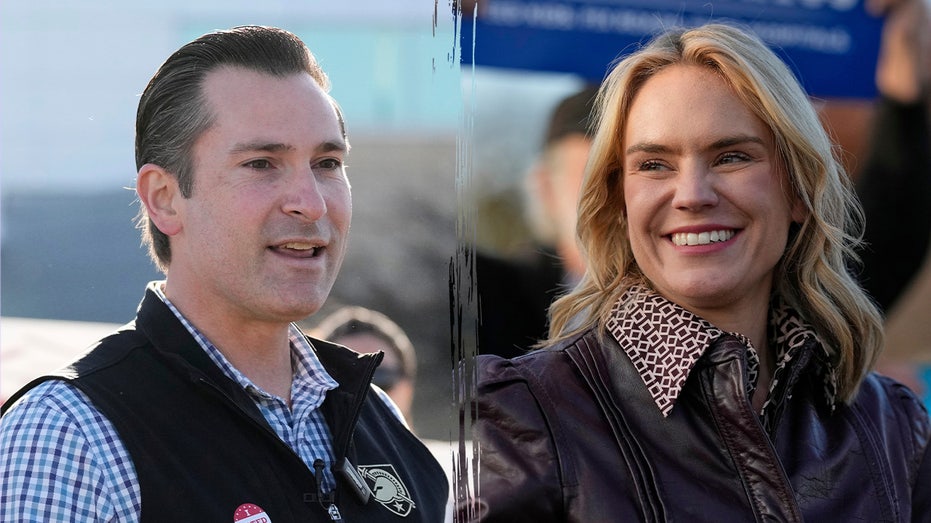
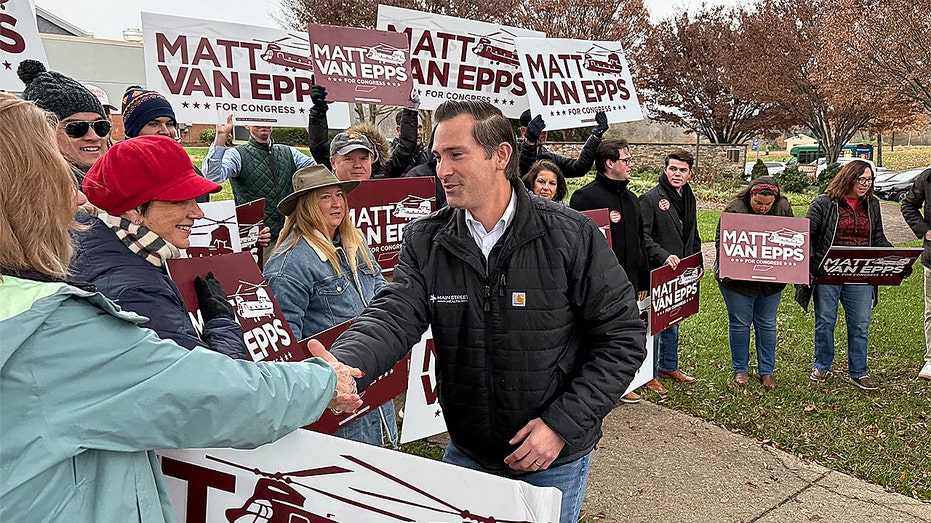
The recent Republican victory in the highly contested special election to retain a GOP-held House seat reflects more than just a single electoral win; it signals ongoing dynamics reshaping American political ground in a period marked by ideological polarization, strategic party realignments, and changing voter sentiments. This outcome underscores the resilience of Republican grassroots mobilization even amid national challenges, while spotlighting how local contests can presage broader consequences for congressional control and policy-making heading into the mid-2020s.
The Bigger Picture
Historically, special elections have served as both barometers and catalysts for political momentum. The seat in question, recently vacated, lay within a district with a GOP advantage but under pressure due to shifting demographics, national political trends, and voter fatigue. Republican parties have leveraged such races to consolidate influence after periods of national losses or stalemates. Conversely, Democratic efforts to flip these districts frequently focus on suburban shifts and moderate voters. This brief battle fits into a long arc stretching back to the post-2016 era where both parties recalibrated messaging and ground efforts amid rising polarization.
Moreover, the context of a midterm election cycle often brings losses to the party holding the presidency, making this Republican retention exercise particularly noteworthy given President Biden’s incumbent status with persistent approval struggles. The special election thus flags the GOP’s ability to harness localized issues and national dissatisfaction to shore up power in contested areas, a trend with precedents in previous cycles such as 2010 and 2014 midterms where Republicans capitalized on anti-incumbent moods.
What This Really Means
The Republican victory carries strategic implications beyond the immediate district. Results like these can impact the balance of power in narrow majorities, affecting the capacity to pass legislation, control committees, and steer congressional priorities. This win boosts Republican morale at a time when the party confronts factional tensions—between establishment figures, Trump loyalists, and emergent populist wings—all vying for influence over the party’s direction and messaging.
At a societal level, the election highlights how national issues—from economic anxiety to immigration and social policies—continue to filter down and shape local races intensely. Voter turnout dynamics and engagement strategies deployed here may serve as templates for future contests, including the 2026 midterms. Additionally, it provides insight into how GOP campaign infrastructure withstands evolving media landscapes and increasingly digital voter outreach challenges.
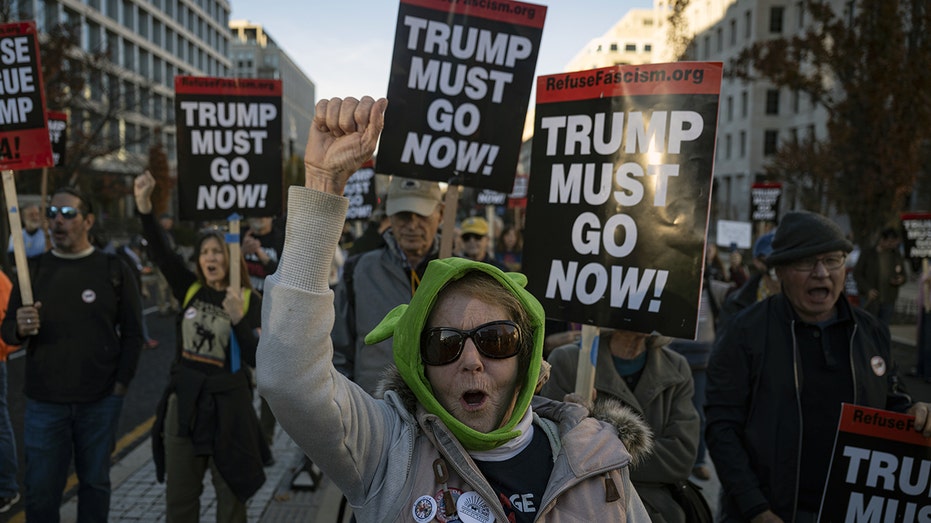
Importantly, this event dovetails with simultaneous national debates mentioned in the news feed—such as proposals around tax policy reform ('no income tax' scenarios), voter registration disputes, and political pushes among young progressives—highlighting a nation grappling simultaneously with ideological divides and policy realignments.
Expert Perspectives
Dr. Elaine Kamarck, Senior Fellow at the Brookings Institution, notes, "Special elections like this are often underestimated in their predictive power. They serve not just as isolated contests but as tests of party organizational health and voter enthusiasm, which are critical for the general elections that follow."
Michael Steel, former Republican National Committee Chair, emphasized, "The retention of this seat confirms that Republican messaging on economic frustration and border security resonates in contested districts, especially when paired with strong ground game operations."
Dr. Linda Feldman, political sociologist at NYU, adds, "We see a continuation of partisan entrenchment, but also pockets of electorate volatility. Special elections expose the tensions between national narratives and local issues which can sometimes override each other depending on candidate appeal and campaign strategies."
Data & Evidence
Election data from the district shows voter turnout at approximately 32%, a modest figure typical for special elections but crucial given the highly competitive context. The GOP candidate garnered about 52% of the vote to the Democrat's 47%, indicating a relatively narrow margin that nevertheless signifies a successful defense of this previously safe seat.
Historically, Republicans have won around 55% of the vote in this district in prior federal elections, suggesting a slight erosion but ultimately a retention of base support. National polling trends also show a Republican advantage in generic congressional preferences averaging 5 points in similar districts, reflecting broader partisan shifts since early 2024.
Campaign finance reports indicate increased spending relative to past special elections here—with more than $3 million funneled into advertising and outreach—highlighting the strategic importance both parties placed on this race.
Looking Ahead
As we look toward 2026 and potentially pivotal midterm elections, contests like this serve as strategic harbingers. The Republican ability to hold onto swing districts will be vital for any prospects of regaining the House majority. Future implications include increased investment in voter mobilization technologies, refined messaging addressing inflation, social concerns, and foreign policy anxieties, especially regarding China and Venezuela mentioned elsewhere in the news.
Moreover, the battle's outcome may influence intra-party debates over candidate selection, balancing between hardline and moderate factions to optimize electability. It will also affect how both parties engage with growing demographic cohorts, particularly suburban voters and emerging younger electorates, many of whom are pivotal in tight races.
Simultaneously, national discourse on election laws and voter registration policies—as highlighted by the DOJ’s confrontations with certain states—will shape the electoral environment underpinning these contests, potentially affecting turnout and representation.
The Bottom Line
This Republican victory is far more than a routine special election result. It encapsulates ongoing struggles over political control in America marked by intense grassroots activity, demographic pressures, and strategic party positioning. As partisan divisions deepen nationally, the ability to win—and defend—critical local seats may well dictate the broader legislative landscape, shaping not only policy outcomes but also the tone and direction of American politics in the years ahead.
Topics
Editor's Comments
This Republican special election victory, while seemingly routine, raises important questions about how local dynamics increasingly shape national politics in a highly polarized era. It highlights how control of Congress is increasingly contingent on small margins and turnout nuances, emphasizing that no race is a foregone conclusion—even in ostensibly safe districts. Furthermore, the interplay between national policy disputes, voter registration battles, and ideological factionalism within parties foretells a complex path forward for both Democrats and Republicans. Observing these contests closely provides valuable foresight into the evolving mechanics of American democracy and governance.
Like this article? Share it with your friends!
If you find this article interesting, feel free to share it with your friends!
Thank you for your support! Sharing is the greatest encouragement for us.