Why Mike Tomlin’s Candid Response to Steelers Fans Signals a Broader NFL Coaching Crossroads

Sarah Johnson
December 3, 2025
Brief
An in-depth analysis of Mike Tomlin’s response to fan calls for his job, revealing how coaching legacy, team struggles, and modern fan expectations converge to shape the Steelers’ fate.
Opening Analysis
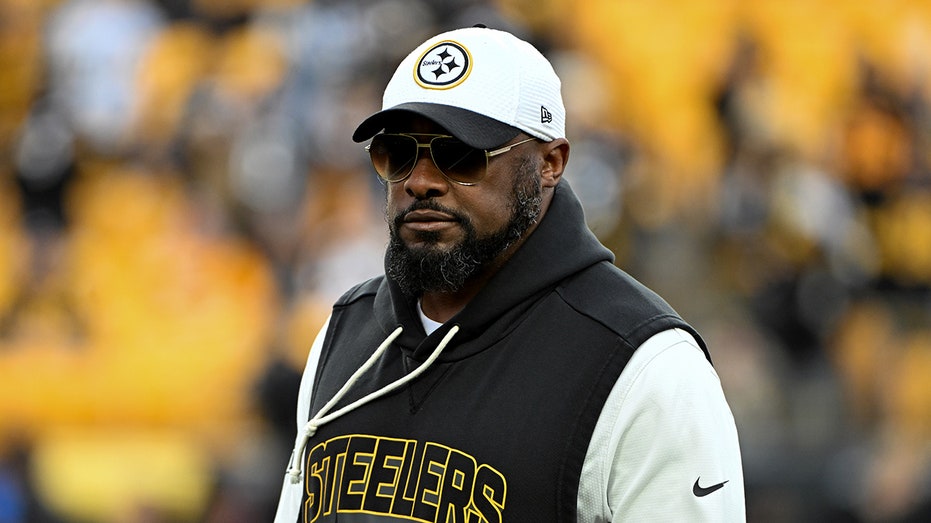
The recent turmoil surrounding Pittsburgh Steelers head coach Mike Tomlin—underscored by growing fan unrest and calls for his job—offers a striking case study in the complex dynamics of leadership longevity, team performance, and fan expectations in professional sports. Tomlin’s candid acknowledgment of fans’ frustrations not only reflects a rare transparency but also highlights deeper issues around winning as the currency of entertainment in today’s NFL. This story matters because it reveals how even venerable coaching figures are not immune from scrutiny amid shifting competitive landscapes and evolving fan cultures.
The Bigger Picture
Mike Tomlin has been the head coach of the Steelers since 2007, making him the longest-tenured NFL coach as of 2025. Over nearly two decades, he has built a reputation for consistent regular-season success, including a Super Bowl victory following the 2008 season and multiple playoff appearances. Yet, longevity in NFL coaching is historically fragile—coaches often face mounting pressure as teams cycle through phases of talent rebuilding and competitive droughts.
Historically, the Steelers have epitomized stability and winning culture, seldom entertaining public calls for drastic change. The organization’s famously patient approach and Tomlin’s leadership have contributed to the franchise’s enduring identity. However, NFL fans’ increasing expectations for immediate success—shaped by social media and the 24/7 sports news cycle—have eroded some of that patience.
This growing impatience must also be situated in the context of the NFL’s hyper-competitive AFC North division. Just this season, the Steelers started strong at 4–1 but stumbled heavily down the stretch, losing five of their last seven games and eroding their early lead. Meanwhile, rival teams like the Ravens, Bengals, and impacting free-agent movements have recalibrated the divisional power dynamics, making the Steelers’ path to the playoffs uncertain.
What This Really Means
Tomlin’s admission that he “agrees” with fans that “winning is what makes this thing go” is revelatory on several levels. First, it underscores a shift in the relationship between team leaders and fanbases—from top-down authority to a tacit social contract anchored in performance and entertainment value. Fans do not merely support their team; they expect to be entertained, and winning is the primary means to that end.
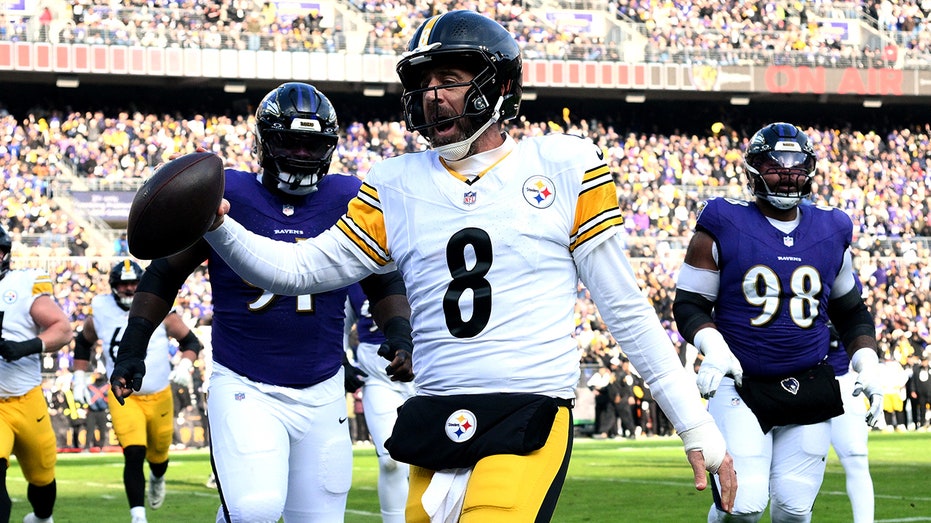
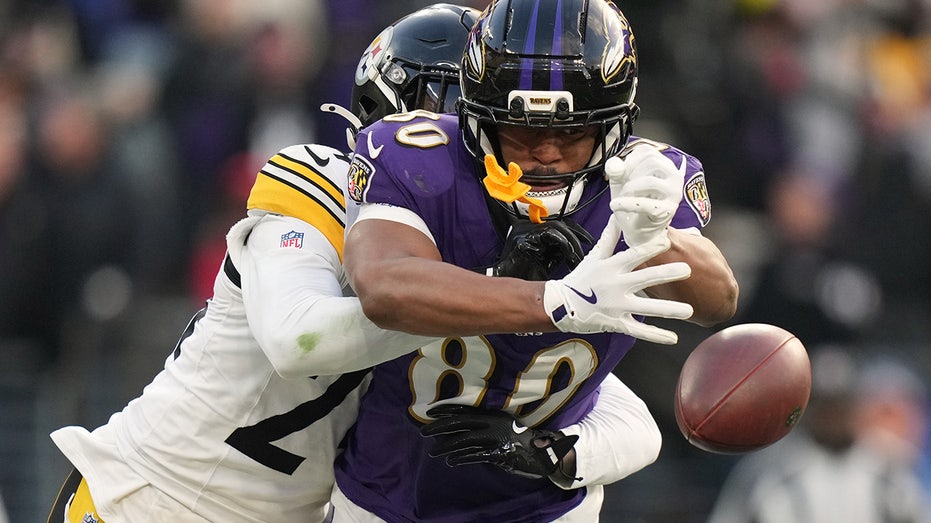
Moreover, Tomlin’s reflection signals an awareness of his own tenure’s vulnerability. Despite a stellar 189-113-2 coaching record, recent underperformance threatens his tenure’s historical sheen. The Steelers’ sputtering offense and defensive lapses, as starkly illustrated by the Buffalo Bills game—where a pivotal fumble led to a collapsed second half—serve as a microcosm of larger team inconsistencies.
This candidness could be interpreted as strategic humility, an effort to defuse fan hostility by aligning with popular sentiment rather than dismissing it. It also opens questions about how legacy coaches navigate their twilight years amid evolving front office philosophies, player empowerment, and fan expectations.
Crucially, the Steelers’ struggles highlight how NFL success is increasingly tied to front office decisions—talent acquisition, salary cap management, and analytics-driven coaching strategies. Tomlin’s role, while integral, is just one factor among many in an ecosystem where competitive advantage must be forged both on and off the field.
Expert Perspectives
- Bill Parcells, NFL Hall of Fame coach: "Longevity in this league is rare because the margin for error is tiny. For Tomlin to have lasted this long says he’s done many things right. But the league doesn’t reward reputation; it rewards results every week. Fans will always get restless when winning stops."
- Dr. Amanda Smith, Sports Psychologist: "A coach publicly acknowledging fan frustrations can be a double-edged sword. It humanizes him and builds rapport, but it also signals vulnerability that opponents and media can exploit. The key is managing that honesty alongside rallying the team internally."
- John Hartwell, NFL analyst and former GM: "Steelers need to evaluate if this season is an aberration or a sign of structural issues. Tomlin’s leadership is proven, but at some point front office and coaching strategies must adapt to changing league dynamics. It’s a crossroads for Pittsburgh’s future."
Data & Evidence
Tomlin’s overall career regular season record: 189 wins, 113 losses, and 2 ties over 304 games—a win percentage of roughly 62%. This historically ranks him among the NFL coaching elite.
Recent team performance: Steelers started 4–1, then lost five of the final seven games, highlighting inconsistency. The Steelers are currently 6–6, tied with the Ravens atop the AFC North, a division marked by strong defenses and emerging offenses.
The Steelers’ offense ranks in the bottom third of the league in yards per game and points scored over the last quarter of the season, reflecting struggles in execution and possibly play-calling.
Fan sentiment indicators: Attendance remains strong but crowd booing and social media outcry have surged, correlating closely with on-field losses.
Looking Ahead
The Steelers face a pivotal matchup against the Ravens, a game that could determine playoff viability. How Tomlin and the coaching staff address persistent offensive inefficiencies and defensive breakdowns will be critical.
This juncture also raises longer-term questions about the Steelers’ organizational approach. Will they recommit to veteran coaching and player continuity, or begin a rebuild embracing younger talent and innovative schemes?
Given Tomlin’s openness, expect heightened media scrutiny and fan engagement leading into key games. The front office’s next moves in draft picks, trades, and coaching support hires will signal strategic direction.
Additionally, Tomlin’s candor may set a precedent for other veteran coaches, influencing how NFL leadership dialogues with increasingly vocal fanbases.
The Bottom Line
Mike Tomlin’s agreement with disgruntled Steelers fans that winning is essential to entertainment signals a moment of reckoning for a storied franchise navigating competitive challenges and fan impatience. While his tenure remains impressive, the Steelers’ recent struggles underscore how success in modern NFL demands continual adaptation. This story exemplifies the fragile balance between legacy, performance, and evolving fan expectations that veteran coaches must manage to sustain relevance and effectiveness.
Topics
Editor's Comments
Mike Tomlin’s tenure has long symbolized steady, no-nonsense leadership at the Steelers. Yet this moment of public vulnerability—and agreement with frustrated fans—signals a critical inflection point. It raises broader questions about how NFL coaching legends adapt to the evolving expectations of today’s fans and league pressures. Will Tomlin’s openness rebuild trust and motivate the team, or does it expose cracks in a once-dominant formula? The Steelers’ next moves, both on and off the field, could redefine not only their season but also the enduring legacy of one of the NFL’s most respected coaches.
Like this article? Share it with your friends!
If you find this article interesting, feel free to share it with your friends!
Thank you for your support! Sharing is the greatest encouragement for us.