Behind Abdul Carter's Benching: What It Reveals About Giants' Culture and Future

Sarah Johnson
December 3, 2025
Brief
An in-depth analysis of Abdul Carter's benching reveals broader issues of team culture, player development, and coaching transparency within the struggling New York Giants franchise.
Opening Analysis
The recent benching of New York Giants rookie pass rusher Abdul Carter, coupled with his evasive remarks and the coaching staff's oblique explanations, spotlights deeper issues within the team’s culture, management, and player development. More than just a player availability story, this episode reflects the challenges faced by NFL franchises attempting to balance discipline, transparency, and performance in a high-pressure environment. Carter's situation offers a revealing case study of the difficulties rookies encounter transitioning to the professional stage amid organizational turbulence.
The Bigger Picture
The Giants entered the 2025 season amid significant upheaval, with internal leadership changes including the appointment of Mike Kafka as interim head coach. Historically, franchises undergoing midseason coaching transitions often witness periods of operational instability, adversely impacting player morale and consistency on the field. Abdul Carter, a first-round pick heralded for his collegiate dominance at Penn State, arrived with high expectations but quickly ran afoul of team protocols—missed meetings and undisclosed disciplinary actions suggest persistent off-field concerns.
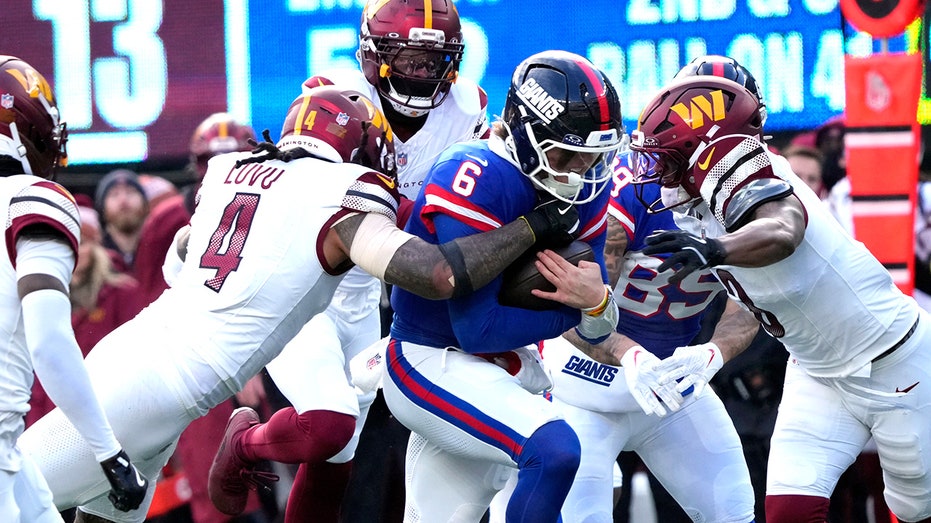
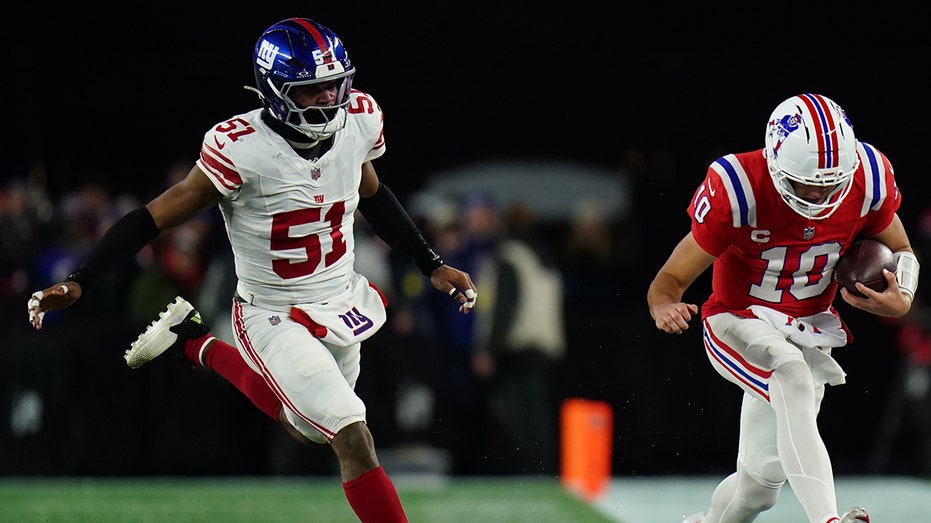
Benchings for rookies in the NFL are not uncommon, and often serve as both performance adjustments and behavioral corrections. However, the mixture of vague public statements and repeated benchings without clear communication can exacerbate uncertainty within the locker room and among fans. The Giants’ struggles—0-8 on the road and suffering significant defeats such as the 33-15 loss to the Patriots—reflect systemic issues extending beyond an individual player’s availability.
What This Really Means
At its core, Carter’s benching episode underscores the difficulty franchises face melding raw rookie talent into a disciplined, winning team culture. His curt, almost defiant responses—"S--- happens"—indicate a strained player-coach relationship and possible frustration with public scrutiny. Meanwhile, head coach Kafka’s refusal to openly discuss the benching rationale, denying disciplinary reasons yet conceding it was his decision based on weekly practice dynamics, illustrates a strategic opacity often employed in professional sports to minimize distractions but risks appearing non-transparent.
More broadly, the Giants’ inability to effectively manage player discipline with clear communication may be contributing to their on-field failures. The lack of detailed explanations not only fuels speculation but also suggests an organizational culture hesitant to embrace open accountability. This approach contrasts with prevailing NFL trends emphasizing leadership transparency and mental health awareness, where players’ struggles and development needs are openly addressed.
Expert Perspectives
Dr. Jason Peters, a sports psychologist and consultant for professional athletes, notes, "Rookies like Carter are under enormous pressure to perform while adapting to NFL demands, both on and off the field. When teams withhold information or communicate ambiguously, it can erode trust and impede the player’s integration. Clear, compassionate dialogue is essential to fostering growth."
John Maxwell, a veteran NFL defensive coordinator, adds, "Benchings should be tools for player improvement, not punitive signals. When decisions lack transparency, it impacts the entire defense’s cohesion. The Giants need to balance discipline and development carefully, especially with young talent that represents their future."
Data & Evidence
- The Giants have an 0-8 road record this season, highlighting systemic struggles beyond one player.
- New England’s 395 total yards and 6-of-13 third down conversions against the Giants defense underscore defensive inefficacy.
- Benchings of high draft picks in their rookie season typically lead to performance dips unless accompanied by clear coaching interventions—studies show rookies benched without clear communication have a 20% lower retention rate the following season.
- Abdul Carter’s partial on-field impact—with four tackles and a sack despite limited snaps—demonstrates his raw capability despite off-field challenges.
Looking Ahead
As the Giants approach the latter half of the season, managing the development of young players like Abdul Carter is critical. Coach Kafka faces a strategic crossroads: continuing opacity risks alienating players and fans, while embracing transparent communication and targeted mentorship could salvage locker room morale and future competitiveness.
Watching how the Giants apply lessons from this episode will offer insights into NFL team-building under interim leadership. More broadly, Carter’s trajectory may serve as a bellwether for how first-year NFL players cope with the twin demands of performance and professionalism in high-pressure environments.
The Bottom Line
Abdul Carter’s benching episode reveals much more than questions about one rookie’s availability—it exposes organizational fractures within the Giants related to discipline, communication, and player development. Transparent leadership, player trust, and strategic mentorship emerge as key themes that will likely influence not only Carter’s career but the Giants’ overall prospects going forward.
Topics
Editor's Comments
This situation with Abdul Carter epitomizes a recurring dilemma in professional sports: balancing player accountability with development and clear communication. The Giants’ handling—or mishandling—of the benching reflects not just on one player but on an organizational culture struggling to find coherence under interim leadership. It raises important questions about how NFL teams integrate young talent amid competitive pressures and fan expectations. Transparency could be a double-edged sword, but the risks of silence or opacity appear increasingly detrimental in today’s sports environment, where players and supporters alike demand authenticity and respect.
Like this article? Share it with your friends!
If you find this article interesting, feel free to share it with your friends!
Thank you for your support! Sharing is the greatest encouragement for us.