
Beyond Friendship: What Trump and Elon Musk’s Rift Over Energy Policy Reveals About the Future of GOP Politics

Sarah Johnson
December 3, 2025
Brief
An in-depth analysis of the political and technological dynamics behind the Trump-Musk split over the One Big Beautiful Bill, revealing broader ideological and future policy implications.
Opening Analysis
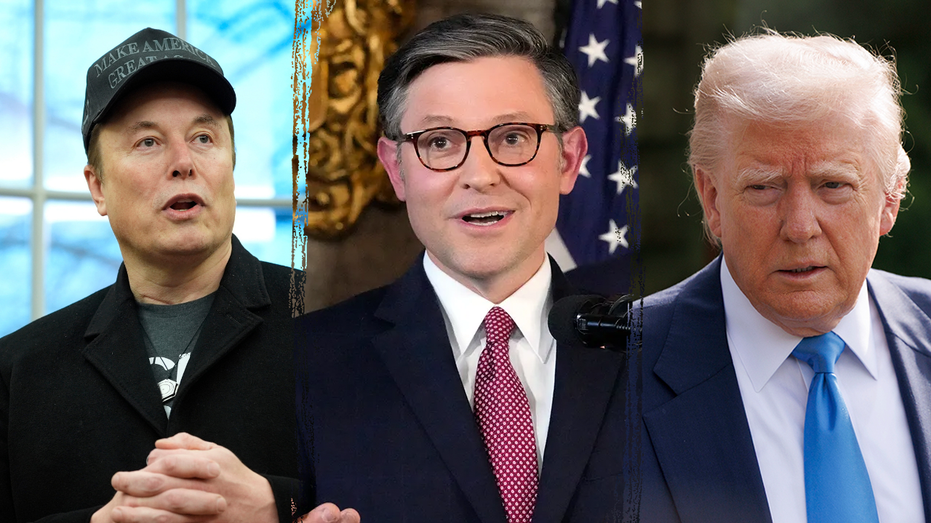
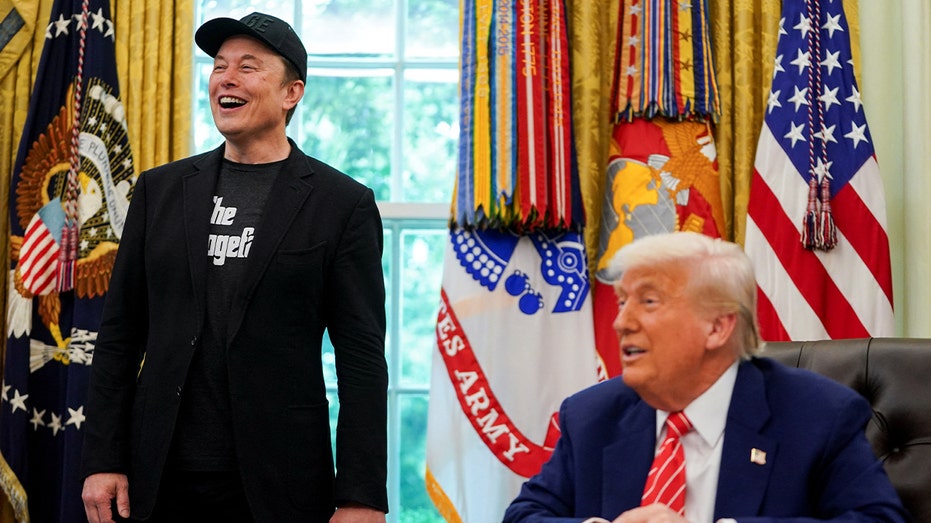
The recent public sparring and reconciliation cues between former President Donald Trump and tech magnate Elon Musk offer a revealing glimpse into the complex interplay of technology, politics, and business interests shaping the current American political landscape. Their evolving relationship not only reflects personal dynamics but serves as a microcosm for broader tensions between traditional conservative policy priorities and the disruptive forces brought by innovation-driven billionaires like Musk.
The Bigger Picture
Historically, presidential administrations have sought to harness technological advancements for policy goals but often wrestle with managing their disruptive consequences. Trump's inclusion of Musk in the Department of Government Efficiency (DOGE) during his second term represents a new iteration of forging alliances between government and Silicon Valley visionaries. DOGE was an unconventional experiment to apply Silicon Valley efficiency approaches to government bureaucracy, a concept with roots in the Reagan-era attempts to overhaul federal agencies but amplified by Musk's high-profile presence.
However, this alliance unraveled amid fundamental policy disputes, particularly over the "One Big Beautiful Bill," a hallmark legislative package championed by Trump that rolled back electric vehicle mandates in favor of petroleum interests. Musk, as CEO of Tesla, directly opposed this shift, highlighting tensions between Trump's fossil fuel-aligned base and Musk's innovation-driven electric vehicle interests. This discord illustrates an enduring fault line in American conservatism: the struggle to integrate climate-conscious tech entrepreneurship within a political ideology that has typically prioritized deregulation and fossil fuels.
What This Really Means
The Trump-Musk relationship reveals how political alliances with tech entrepreneurs can be both strategically advantageous and inherently fragile. Musk’s initial role as a sort of gov-tech czar suggested a new paradigm where tech billionaires would help streamline government operations and advise policy. Yet, when ideological and economic interests diverged sharply, particularly around energy policy, the fallout was swift and public.
More broadly, this episode underscores the rising importance—and the rising risk—of billionaire executives influencing politics. Musk’s public statements criticizing the debt ceiling increase and targeting Trump personally point to the volatile intersection of personal ambition, political allegiance, and corporate interests. Meanwhile, Trump leveraging Musk's electoral influence and expertise while rejecting policies detrimental to traditional energy sectors showcases ongoing political balancing acts within the GOP as it navigates its future identity.
Expert Perspectives
Dr. Emily Parker, Political Technology Analyst: “The Trump-Musk dynamic exemplifies a new model of political engagement where tech leaders are both insiders and disruptors. Their involvement can accelerate innovation in government but also raises accountability questions when private interests clash with public policy.”
Dr. Mark Hamilton, Energy Policy Scholar: “This clash highlights how electric vehicle policy is now a litmus test of political ideology. Republicans face a dilemma: embrace clean tech innovation to appeal to younger voters or maintain fossil fuel commitments to their traditional base.”
Rachel Simmons, Former GOP Strategist: “Musk’s endorsement was politically valuable to Trump in 2024, but the subsequent public beef shows that political alliances with celebrity entrepreneurs are precarious. Short-term gains can come at the cost of long-term coherence in policy and messaging.”
Data & Evidence
Data show that electric vehicle sales in the U.S. grew by over 60% year-over-year leading up to 2025, signaling accelerating consumer adoption despite regulatory uncertainty. California, targeted by Trump’s rollback efforts, accounted for nearly 40% of total EV sales nationally, underscoring the significance of mandates there.
Meanwhile, federal spending tied to the "One Big Beautiful Bill" represents an estimated $650 billion increase over the next decade, largely aimed at defense, infrastructure, and energy subsidies favoring traditional industries—a key sticking point for budget hawks and progressive innovators alike.
Opinion polling reflects growing GOP voter skepticism toward strict EV mandates, with 55% of Republican respondents in a recent survey opposed to aggressive transition timelines, clashing with Musk's vision and Tesla’s growth strategy.
Looking Ahead
The Trump-Musk saga portends several vital trends to watch:
- The integration of tech billionaires in political ecosystems will grow but remain contentious, with public relationships swinging between collaboration and conflict based on policy stakes.
- Electric vehicle policies will be a frontline battleground within conservative politics, affecting regulatory approaches, consumer incentives, and industry dynamics.
- The role of independent, outspoken business leaders in shaping electoral politics and public policy, particularly through social media platforms like X, will continue to unsettle traditional power structures.
How the GOP reconciles its energy politics with tech innovation and how Musk navigates future political partnerships could influence policy formulation with repercussions extending well beyond 2025.
The Bottom Line
The Trump-Musk relationship embodies the complexities at the nexus of politics, technological innovation, and ideology. Their public tussle over the "One Big Beautiful Bill" and electric vehicle mandates speaks to deeper ideological rifts within contemporary American conservatism and raises important questions about the sustainability of political alliances with disruptive tech figures. As the GOP grapples with balancing legacy energy interests against emerging innovations, this case study provides a valuable lens on how future political coalitions may form or fracture in an era increasingly defined by technological change.
Topics
Editor's Comments
This analysis dives into the nuanced, often overlooked complexities behind a highly publicized political relationship. Beyond the headline-level friction, the Trump-Musk episode offers a window into fundamental questions about the future of American political coalitions amid the rise of tech billionaires. It challenges us to think critically about how much influence private business leaders should wield over public policy and the ideological coherence of established parties. The stakes are high: the GOP’s ability to reconcile its energy identity with a changing economic landscape could reshape not only elections but the broader trajectory of US innovation and governance. This is an evolving story with significant implications for decades to come.
Like this article? Share it with your friends!
If you find this article interesting, feel free to share it with your friends!
Thank you for your support! Sharing is the greatest encouragement for us.