Terence Crawford’s Undefeated Exit: What His Shock Retirement Reveals About the Future of Boxing

Sarah Johnson
December 18, 2025
Brief
Terence Crawford’s undefeated retirement isn’t just a personal decision—it’s a verdict on sanctioning bodies, influencer boxing, fighter health, and the fractured economics reshaping modern boxing’s future.
Terence Crawford’s Shock Retirement Isn’t Just About One Fighter – It’s About the Future of Boxing Itself
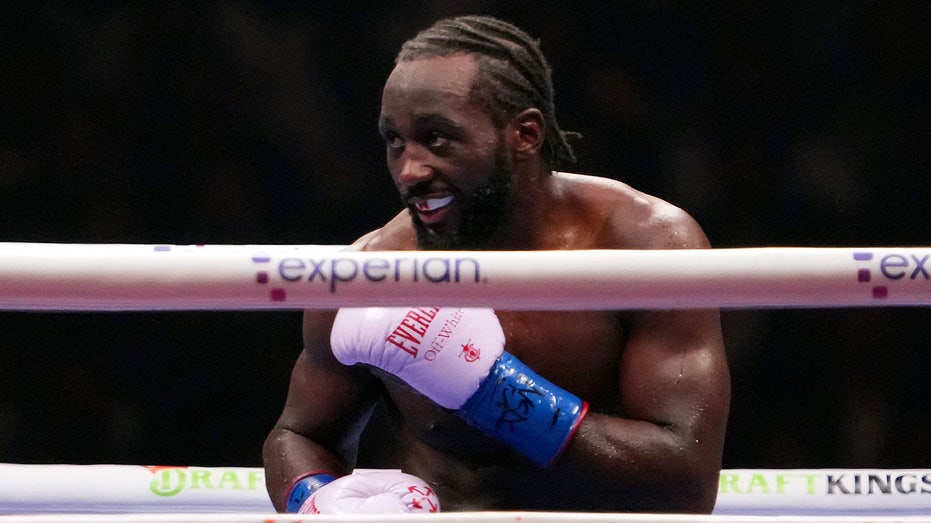
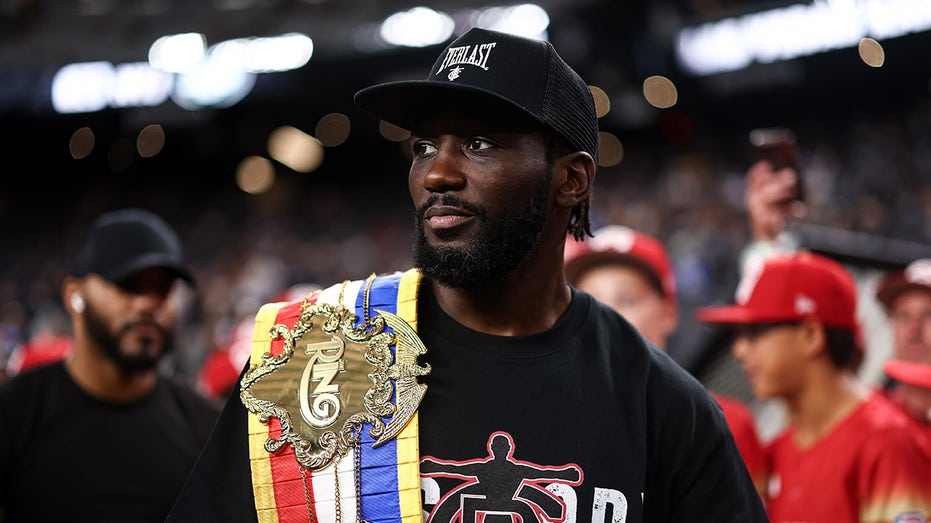
Terence Crawford walking away undefeated at 38, fresh off a career-defining win over Canelo Álvarez and holding a pristine 42-0 record, is being treated as a surprise retirement. It shouldn’t be. His exit is less a plot twist and more a verdict on what modern elite boxing has become: high-risk health consequences, increasingly fractured governance, and a business model that often rewards spectacle over sporting integrity.
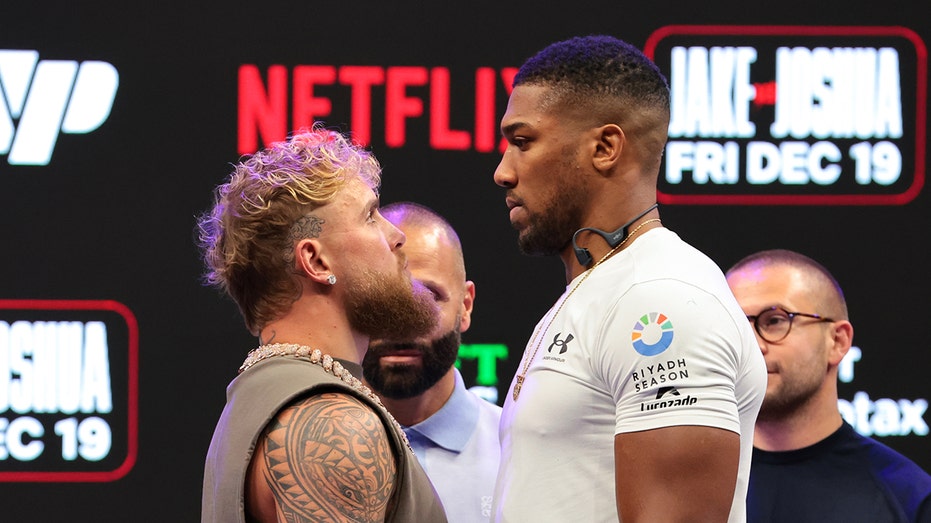
Crawford’s decision arrives at a moment when boxing is being pulled in two directions. On one side, you have historically great, legacy-minded champions like Crawford, striving for undisputed status in multiple divisions. On the other, you have celebrity-driven fights and YouTuber crossovers, embodied here by Jake Paul’s immediate attempt to spin Crawford’s retirement into a future storyline. The tension between those two worlds is the real story behind this announcement.
Crawford in Historical Context: How Rare Is This Exit?
Retiring undefeated as a multi-division, unified champion is extraordinarily rare in boxing history. The obvious reference point is Floyd Mayweather Jr., who finished 50-0 and left more or less on his own terms. But Crawford’s legacy has some key differences that matter for how this retirement will be remembered.
- Three-time (male) unified champion: Crawford is the only male boxer to fully unify titles in three divisions under the four-belt era (WBA, WBC, IBF, WBO). That’s not just a belt count – it means he repeatedly cut through promoter politics and sanctioning-body chaos to establish a clear “lineal” claim.
- Four weight classes: From lightweight to super middleweight, he climbed four divisions and won titles in each. Historically, that puts him in the company of multi-division greats like Manny Pacquiao and Roy Jones Jr., though with fewer fights and far less mileage.
- Dominance vs. drama: Crawford rarely needed judges to rescue him. With 31 knockouts in 42 wins, many of his biggest fights ended decisively. That matters in an era where controversial decisions often overshadow outcomes.
In the historical rankings debate, critics will point to the relatively late arrival of his biggest marquee names (Errol Spence Jr., Canelo) and stretches of inactivity. But taken as a whole, his résumé and dominance put him in the conversation not just as a generational talent, but as one of the most complete fighters of the 21st century.
Why Now? Reading Between the Lines of His Retirement
On the surface, Crawford’s explanation is classic: he fought for his family, his city, and his younger self, and he’s at peace with what comes next. Yet several underlying forces likely shaped this decision:
- He leaves at the top – a luxury most fighters never get.
He retires right after beating Canelo Álvarez by unanimous decision at super middleweight – a risk-heavy, legacy-defining move up two weight classes. For a fighter who’s already achieved undisputed status multiple times, there are very few remaining opponents who improve his historical standing more than they endanger it. - Accumulated risk vs. marginal reward.
By 38, even a “slick” defensive fighter has absorbed thousands of punches over an amateur and professional lifetime. Recent medical research on chronic traumatic encephalopathy (CTE) and neurodegenerative risks has become harder to ignore. For a fighter who has made tens of millions and cemented his legacy, the incremental financial upside of a few more big fights may not justify the neurological risk. - Sanctioning-body fatigue.
Just weeks before his retirement, Crawford was stripped of his WBC super middleweight title for allegedly failing to pay sanctioning fees. His public frustration with the WBC fits a pattern: top fighters increasingly resent paying six-figure “taxes” to organizations that sometimes add political chaos and little sporting clarity. Retirement is one way to walk away from that system entirely. - Promotional politics and limited meaningful fights.
Even at the top, getting the right fights at the right time remains a struggle. Crawford’s prime years were bogged down in promotional rivalries that delayed mega-fights like Crawford–Spence. At 38, with fewer appealing, legacy-boosting fights available and more celebrity-driven matchmaking dominating headlines, you can see why he’d view this as the ideal exit window.
The Sanctioning Bodies Problem: Crawford’s Exit as a Quiet Protest
That WBC stripping episode is being treated as a footnote. It shouldn’t be. It’s a symptom of a system that pushes even the biggest stars to a breaking point.
Sanctioning bodies typically collect around 3% of a fighter’s purse in fees per title fight. For eight-figure events, that can mean hundreds of thousands of dollars per fight per belt. With four major organizations and multiple “world” titles per division, boxers can end up paying substantial costs simply to keep belts they have already earned in the ring.
Crawford’s blowup at the WBC after being stripped highlights a growing sentiment: when the belts start to feel more like pay-to-play franchises than genuine championships, elite fighters begin to question what they’re paying for. For a fighter who already has his legacy secured, walking away can be both a personal decision and a subtle form of protest against the system.
Jake Paul, Narrative Hijacking, and the New Boxing Economy
Jake Paul’s immediate response – dismissing Crawford’s retirement as a “smart play” to get people talking and suggesting he’ll “take a ticket” for a future fight – is not just trash talk. It’s a window into how the economic center of boxing is shifting.
- Attention economy over meritocracy: Paul’s framing makes clear the new rules: it’s not who’s earned a shot, it’s who generates the most clicks and subscriptions. Crawford’s perfect record and legacy matter less in this model than his ability to trend.
- Crossovers are becoming structural, not sideshow. Paul fighting Anthony Joshua – a former unified heavyweight champion – underscores that we’re well past the “novelty” stage. The traditional ladder of climbing through rankings is being replaced, for some, by jumping straight to big-name events if you can deliver pay-per-view numbers.
- Legacy vs. leverage. Crawford represents the old ideal: earn titles, unify divisions, build a résumé. Paul represents the new leverage: build a following first, then dictate terms. Their interaction in this story is symbolic of the philosophical battle for the sport’s identity.
From a business standpoint, Paul has every incentive to cast doubt on Crawford’s retirement: the possibility of luring a historically great boxer into a highly monetized crossover fight would be a career-defining payday, regardless of the competitive outcome.
What This Means for Fighters Coming Up Behind Crawford
Crawford’s exit sends a set of very clear, if unspoken, messages to the next generation of fighters:
- Plan your exit at the same time you plan your rise.
Crawford is leaving with money in the bank, his health largely intact, and his legacy secure. That’s a result of selective matchmaking, disciplined lifestyle, and an understanding that you don’t need to fight until your body and brain are clearly compromised. Younger fighters watching this will be encouraged to think in terms of career arcs, not endless wars. - Don’t depend on sanctioning bodies to define your legacy.
In the four-belt era, “undisputed” has been the gold standard. But constant stripping, interim titles, and franchise belts have eroded public trust. Crawford’s career – and now his retirement – suggests that beating the best opponents on widely viewed platforms matters more than hoarding acronyms. - The line between “real boxing” and “entertainment boxing” is blurring.
The fact that Crawford’s retirement instantly becomes content for a Jake Paul storyline shows where power lies: with those who command audience attention. Up-and-coming fighters may feel pressure to cultivate their own media brands and personas just to stay economically competitive.
Data Points: A Sport at a Crossroads
Several broader trends help frame why Crawford’s retirement hits harder than a typical “legend walks away” story:
- Fewer fights, bigger events: Top champions today often fight once or twice a year compared with three to four times a year in previous eras. Careers are more carefully managed, but also more stagnant in between big nights.
- Medical awareness: Studies published over the last decade have found a significantly elevated risk of neurodegenerative diseases among former fighters. That data has entered the locker room – fighters and their families are more informed and more wary.
- Pay-per-view fragmentation: Competing streaming platforms and fragmented rights have made it harder for casual fans to follow coherent narratives. In that environment, personalities – not titles – become the anchoring point.
- Rise of influencers: Celebrity and influencer boxing events have pulled a younger demographic into combat sports, but not necessarily into traditional championship boxing. That raises uncomfortable questions about where the long-term audience growth will actually come from.
Will Crawford Stay Retired?
Boxing history is ruthless on retirements: they rarely stick. Sugar Ray Leonard, Muhammad Ali, Roberto Durán, Manny Pacquiao – the pattern is familiar. Financial opportunities, competitive itch, and legacy debates are powerful incentives to return. Jake Paul is betting this story is no different.
But Crawford does have factors working in favor of a permanent exit:
- He has already secured his signature wins (Spence, Canelo) later in his career.
- He comes from an era where fighters have seen the tragic long-term effects of staying too long.
- He can seamlessly transition to roles in training, management, commentary, or promotion, where his credibility is unrivaled.
If he does stay retired, he’ll set a powerful precedent: that you can dominate, cash in, and step away without being pulled into the endless cycle of “one more fight.” If he returns, it will likely be for the kind of once-in-a-generation payday that blends boxing, entertainment, and spectacle – exactly the hybrid model that is reshaping the sport.
What to Watch Next
In the coming months and years, Crawford’s retirement will be a reference point for several key developments:
- Sanctioning body reform: Pressure is building for more streamlined titles and more transparent fee structures. If enough elite fighters follow Crawford in openly criticizing or walking away from certain belts, change becomes more likely.
- How networks and promoters market the sport: Do they build narratives around traditional weight-class kings or lean further into crossover spectacles? The balance they strike will determine how often the next “Crawford” emerges.
- The next undisputed standard-bearer: With Crawford gone, who becomes the sport’s clear pound-for-pound #1? That vacuum is both a challenge and an opportunity for stars at lightweight, welterweight, and heavyweight.
- Crawford’s post-ring role: If he moves into mentorship or promotion with a focus on fighter health and financial literacy, his impact outside the ring could rival what he did inside it.
The Bottom Line
Terence Crawford’s abrupt retirement is more than a great champion walking away at the top. It crystalizes the fault lines shaping modern boxing: a strained relationship with sanctioning bodies, rising awareness of brain trauma, the economic gravity of influencer-driven fights, and a younger generation of fighters forced to navigate that complicated terrain.
Whether he stays retired or not, Crawford has already made his most important statement: in a sport that too often chews up its heroes, it is still possible to leave on your own terms. The real question is whether boxing as an institution will evolve fast enough to make that less the exception and more the rule.
Topics
Editor's Comments
One under-discussed aspect of Crawford’s retirement is what it reveals about power dynamics between fighters and the institutions that govern them. For decades, boxers—especially those from economically disadvantaged backgrounds—have entered a system where promoters, networks, and sanctioning bodies typically retain outsized leverage. Crawford’s résumé gave him something rare: the ability to say no. No to sanctioning fees he deemed unreasonable, no to waiting indefinitely for the right fights, and ultimately no to a sport that often demands its greats stay too long. His departure hints at a potential rebalancing. If more top-tier fighters reach a point of financial independence and brand recognition early enough in their careers, they may start to treat the traditional belts as optional rather than essential. That could fragment the sport in the short term but, over time, might also force governing bodies to reform or risk irrelevance. The real question is whether Crawford’s exit is an anomaly or an early sign of a generation less willing to sacrifice health and autonomy for institutional validation.
Like this article? Share it with your friends!
If you find this article interesting, feel free to share it with your friends!
Thank you for your support! Sharing is the greatest encouragement for us.