
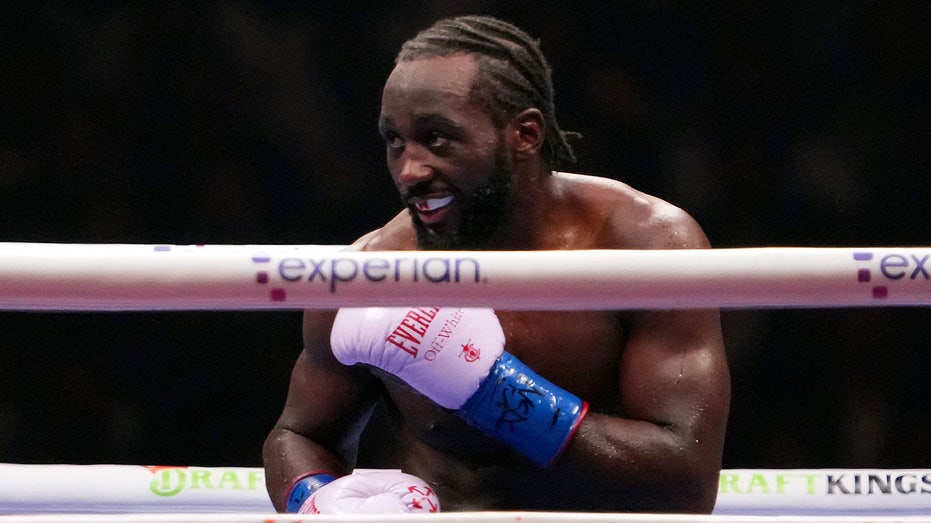
Terence Crawford and the WBC Fee Dispute: A Reflection of Boxing’s Governance Crisis

Sarah Johnson
December 6, 2025
Brief
An in-depth analysis of Terence Crawford’s clash with the WBC exposes boxing's fractured sanctioning system, financial disputes, and implications for the sport’s governance and future.
Terence Crawford vs. WBC: A Clash Highlighting Boxing's Controversial Sanctioning Landscape
The recent stripping of Terence Crawford’s undisputed super-middleweight world title by the World Boxing Council (WBC) over unpaid sanctioning fees shines a harsh light on ongoing tensions between elite fighters and boxing's fragmented sanctioning bodies. This confrontation underscores persistent challenges around governance, financial transparency, and authority within professional boxing—issues that have long troubled the sport’s credibility and its relationship with athletes.
The Bigger Picture: Historical Context of Boxing Sanctioning Bodies
Boxing has historically been governed by multiple sanctioning organizations, notably the WBC, WBA, IBF, and WBO. Each body sanctions fights, awards titles, and collects fees, often overlapping or conflicting. Introduced mid-20th century, these organizations were originally intended to bring order to a chaotic sport but evolved into competing entities with differing rules, belt designations, and fee structures.
This multi-sanctioning framework has long drawn criticism for fragmenting titles and creating confusion among fans and fighters. The existence of multiple “world champions” across weight classes dilutes prestige and complicates unification efforts. Sanctioning fees—typically a percentage of a fighter’s purse—are a crucial revenue stream but have been a source of disputes, as their scale and enforcement vary. Fighters and promoters sometimes resist these fees, viewing them as excessive or arbitrarily applied.
What This Really Means: Power Struggles and the Financial Implications
The Crawford-WBC dispute is emblematic of a broader power struggle within boxing. Crawford, who secured undisputed status by beating Canelo Alvarez in a fight recognized by all four major bodies, finds himself punished by the WBC alone—highlighting the fragmented authority and sometimes inconsistent application of rules.
Financially, the WBC’s claim that Crawford owed 0.6% of purse earnings (down from a standard 3%) points to a contentious negotiation space. Crawford reportedly denied owing fees after allegedly earning $50 million, and publicly castigated WBC president Mauricio Sulaiman for perceived favoritism and lack of transparency. Such public disputes can tarnish the sport’s image and discourage fighters from engaging with sanctioning bodies seen as inflexible or self-interested.
In essence, sanctioning fees—meant to fund belt promotions, rankings, and organizational costs—also become a flashpoint for concerns about governance, fairness, and the distribution of boxing’s lucrative revenues. Fighters like Crawford, especially at elite earning levels, challenge whether these bodies are entitled to significant cuts of their purses, particularly given the large promotional fees and taxes already levied.
Expert Perspectives
Dr. Michael Collins, a sports economist at University of Nevada, emphasizes, "The multi-sanctioning system in boxing perpetuates confusion and financial inefficiencies. The dispute with Crawford highlights the urgent need for transparent, unified governance structures that fairly balance fighter compensation with organizational sustainability." Meanwhile, Jessica Ortiz, a former boxing promoter, notes, "Fighters at Crawford’s level have leverage and public platforms that can expose the lack of accountability in sanctioning fees—this could lead to reforms or alternative sanctioning models over time." Veteran boxing analyst David Leon agrees, stating, "The WBC’s decision to strip a major star over fees, especially amidst claims of negotiations, risks alienating top fighters and fans alike, threatening the sport’s star-driven commercial appeal."
Data & Evidence
Statistics show that sanctioning fees traditionally range from 1% to 3% of a fighter’s purse, constituting a significant sum for multimillion-dollar bouts. For example, Crawford’s $50 million fight purse implies $300,000 in fees at 0.6%, escalating dramatically if standard rates were applied. Sanctioning bodies collectively derive tens of millions annually from fees, sponsorships, and licensing but face criticism over financial transparency and reinvestment into boxing’s grassroots.
Moreover, boxing’s decentralized governance contrasts sharply with other major sports leagues that operate central regulatory systems, like the NFL or NBA. This fragmentation contributes to inconsistent title recognition, complicating fans’ understanding and eroding unified brand value. The stripping of Crawford’s WBC belt illustrates these tensions vividly, coinciding with the sport’s struggle to modernize and maximize commercial potential.
Looking Ahead
This incident could serve as a catalyst for reform discussions about sanctioning fee structures, especially in the wake of growing fighter activism and calls for more equitable revenue sharing. Crawford’s vocal rejection of the WBC’s demands signals a potential shift toward greater resistance against traditional governance models that have often been criticized as opaque or unfair.
The WBC’s choice to immediately sanction another fight for the vacant belt with lesser-known contenders signals its determination to maintain authority; however, the absence of a defending star champion may weaken the title’s prestige. Fans and commercial partners could question the value of a belt contested without its leading figure, potentially accelerating consolidation talks among sanctioning bodies or alternative governing frameworks.
Additionally, ongoing technological and media shifts empower fighters to communicate directly with fans, undermining traditional organizational control and forcing sanctioning bodies to adapt or risk marginalization. The resolution of this feud may set important precedents for athlete autonomy and governance transparency in boxing’s evolving ecosystem.
The Bottom Line
Terence Crawford’s public clash with the WBC over sanctioning fees reflects deep-rooted structural challenges in professional boxing—centered on fragmented governance, financial disputes, and competing authorities. This episode illustrates why many industry observers call for comprehensive reform to unify title recognition, enhance transparency, and align financial incentives more fairly between fighters and sanctioning organizations. How these tensions resolve will shape the sport’s future commercial viability and its capacity to showcase its biggest stars under clear, respected governance.
Topics
Editor's Comments
This dispute between Terence Crawford and the WBC brings to the forefront long-standing but often overlooked systemic issues within boxing’s governance. The tension between fighter autonomy and sanctioning authority reflects deep structural fragmentation that undermines boxing’s coherence as a global sport. While sanctioning fees are a normative part of the business, their inconsistent enforcement and lack of transparency strain relationships at the highest levels. Crawford’s public, profane rejection of the WBC’s demands is a raw expression of wider dissatisfaction among top athletes with the sport’s archaic operating models. This incident should prompt serious reflection within boxing’s leadership about how to modernize governance frameworks, ensuring both organizational sustainability and fair treatment of fighters. The risk for the WBC in this case extends beyond a single stripped title—it threatens its credibility and ability to attract and retain marquee talent, which underpins boxing’s commercial success. The question now is whether this standoff will lead to productive reforms or further entrench existing divisions.
Like this article? Share it with your friends!
If you find this article interesting, feel free to share it with your friends!
Thank you for your support! Sharing is the greatest encouragement for us.