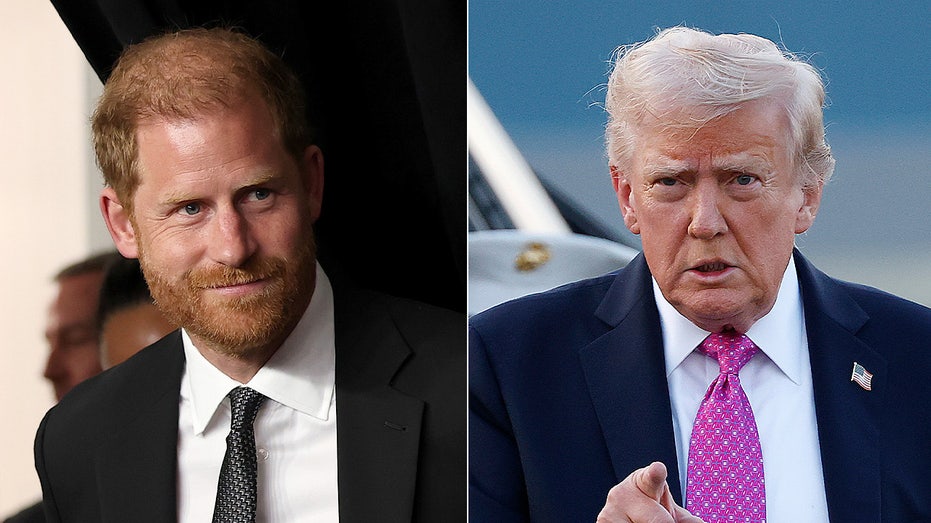
Prince Harry’s Reckless Trump Joke: What It Reveals About Britain’s Royal Family Rift and Monarchy’s Future

Sarah Johnson
December 5, 2025
Brief
In-depth analysis of Prince Harry’s political remarks about Trump reveals deepening royal family rifts, implications for monarchy neutrality, and challenges to future reconciliation amid evolving media dynamics.
Prince Harry’s Political Jabs Mark a Deepening Rift Within the British Royal Family
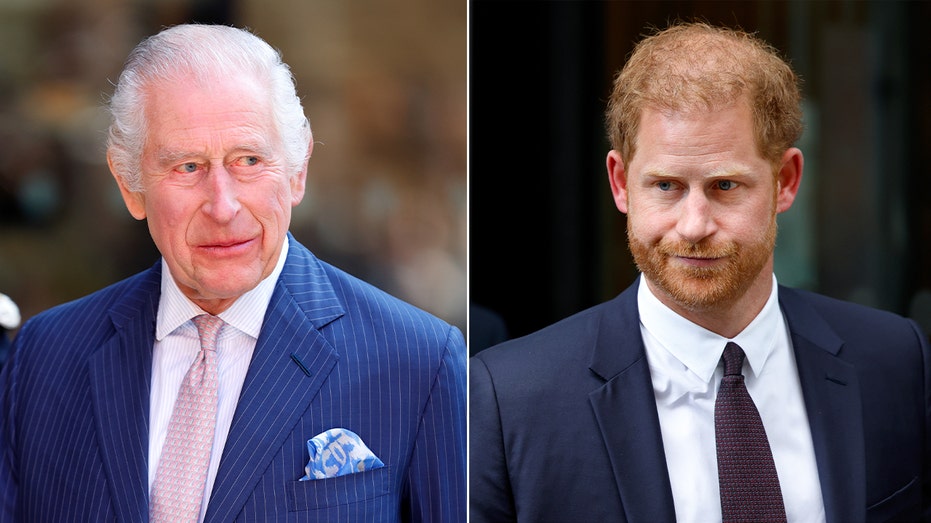
Prince Harry’s recent public remarks poking fun at former President Donald Trump illuminate more than just a late-night talk show moment—they unmask the growing fissures and complex tensions gripping the British monarchy in unprecedented ways. While on the surface Harry’s jab at Trump’s presidency might appear as typical celebrity banter, the incident carries significant implications, especially given its timing during Trump’s rare second U.K. state visit and amid sensitive family dynamics. The episode offers a revealing lens into the challenges modern royal family members face as they navigate political landscapes, media scrutiny, and personal grievances, all while preserving—or fracturing—their public roles.
The Bigger Picture: Tradition Meets Modern Discord
The British monarchy has long adhered to a tradition of political neutrality, preserving its constitutional role by steering clear of partisan controversies. This stance is essential for maintaining the monarchy’s unifying symbolism across a diverse political spectrum within the U.K. and abroad. Prince Harry’s public critique of Trump—a foreign head of state who recently received an exceptionally grand state welcome—is jarring in this context. Trump’s second state visit featured monumental pomp, including the largest guard of honor in recent history, signaling the importance the crown and government placed on sustaining robust U.K.-U.S. ties. Harry’s comments thus abruptly interrupt this diplomatic narrative.
Historically, members of the royal family have rarely used their platforms for overt political commentary. Prince Harry and Meghan Markle’s 2020 exit from royal duties was partly fueled by their desire to craft independent identities separate from the monarchy’s traditional constraints. Since then, Harry’s memoir and media presence have amplified his voice but also exacerbated internal family tensions, highlighting conflicting visions of duty, privacy, and public engagement within the monarchy.
Underlying Causes and Motivations
At its core, Harry’s jab at Trump appears driven by multiple intertwined factors: personal conviction, media strategy, and strained family relations. On one level, Harry’s criticism echoes American progressive resistance to Trump’s presidency, exemplified by movements like the "No Kings" protests that framed Trump’s governance as authoritarian. Aligning with such sentiments situates Harry more clearly within a politicized American cultural milieu, contrasting sharply with the royal family’s desired apolitical image.
Moreover, Harry’s desire for media visibility cannot be ignored. Interview appearances with high-profile comedians serve as platforms to maintain public relevance, especially after stepping back from royal duties removed him from traditional headlines. Yet, these attempts risk alienating both royal supporters and diplomatic allies. Experts highlight how Harry’s ongoing public critiques inadvertently "scratch open wounds" between himself and the monarchy even as he claims to seek reconciliation, illustrating a complex interpersonal paradox governing his choices.
Expert Perspectives: A Fractured Relationship and Questionable Judgment
Royal analysts uniformly point to this episode as a self-defeating misstep. Kinsey Schofield calls Harry’s remarks "reckless," underlining how they undermine the delicate diplomatic efforts of Buckingham Palace and betray the respect extended by King Charles to Trump—who personally intervened on Harry’s behalf regarding immigration matters. British royal expert Hilary Fordwich further contextualizes the misalignment of Harry’s intentions and impact: "He attacks the monarchy and misreads the public mood on both sides of the Atlantic," she says, framing it as a failure to grasp the symbolic neutrality required of his title.
From a media strategy lens, Douglas Eldridge of Achilles PR suggests the move was "benign" and calibrated for visibility within Hollywood culture, despite its awkwardness. This reveals a clash not only between Harry and the monarchy but between two fundamentally different publicity ecosystems: the inherited dignity and tradition of the monarchy versus the aggressive, often polarizing spotlight of American entertainment.
Data & Evidence: Changing Public Sentiment and Royal Dynamics
Polling over recent years shows that public favorability toward the monarchy has fluctuated, with controversies surrounding Prince Andrew and the Sussexes contributing to dips in confidence. According to YouGov data from 2024, support for King Charles’s reign hovers near 65%, but Prince Harry’s approval ratings lag considerably, often seen as a polarizing figure, especially in the U.K. While the American public may view Harry more favorably due to his openness and media presence, his political commentary risks alienating traditional royal supporters.
Trump’s state visit expanded diplomatic signaling beyond ceremony, including strategic talks with Prime Minister Keir Starmer on trade and technology, emphasizing the political weight behind such royal engagements. Harry’s offhand joke risks overshadowing these critical diplomatic endeavors for commercial and personal gains.
Looking Ahead: Fallout and Implications for Royal Reconciliation
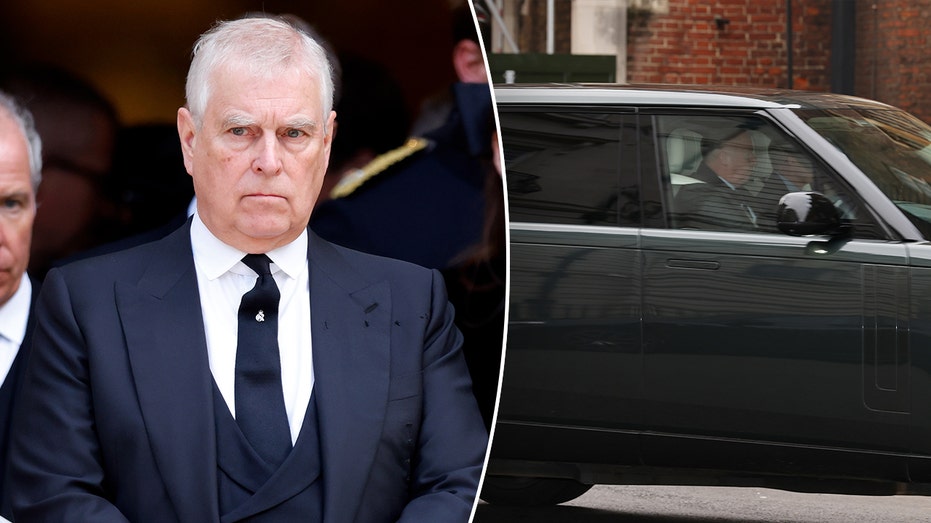
This incident is unlikely to be an isolated controversy but rather a symbol of the entrenched challenges facing the royal family’s future cohesion. The palace faces ongoing public relations balancing acts: managing King Charles’s health issues and political pressures, navigating the fallout from Prince Andrew’s scandals, and determining how to engage with Harry and Meghan in a way that preserves monarchy integrity.
The widening of the rift showcased by this episode suggests reconciliation efforts will require greater humility and restraint than Harry’s public comments demonstrate. Moreover, it underscores a broader question about the evolving role of royals in a hypermediated, politically polarized era: can the monarchy sustain its apolitical tradition when key members actively engage in partisan cultural battles?
Observers should watch for palace responses, potential adjustments to Harry’s royal titles, and whether this episode influences public sentiment toward the monarchy’s modernization versus traditionalism debate. The long-term impact may not just be familial but constitutional, affecting monarchy-related public trust.
The Bottom Line
Prince Harry’s swipe at Donald Trump is more than celebrity quip; it reflects fundamental tensions about identity, loyalty, and political neutrality within the British monarchy in turbulent times. It risks deepening family wounds at a sensitive moment and challenges the monarchy’s image as a unifying institution above politics. While it may serve Harry’s personal visibility, this recklessness comes at the cost of diplomatic niceties and royal reconciliation, raising pressing questions about the monarchy’s future in a world where media, politics, and monarchy increasingly collide.
Topics
Editor's Comments
This episode is emblematic of a broader transformation in how royal family members engage with the public and politics. The traditional walls of royal neutrality are eroding under pressures of modern celebrity culture and polarized media landscapes. Harry's comments illustrate the difficulty of balancing personal expression with the constitutional and diplomatic expectations of royalty. As the monarchy confronts health issues for King Charles and reputational challenges, it must confront whether it can accommodate divergent public personas without fracturing its core unifying role. This situation also raises profound questions about the future relevance of constitutional monarchy in an age where media visibility often eclipses institutional legacy.
Like this article? Share it with your friends!
If you find this article interesting, feel free to share it with your friends!
Thank you for your support! Sharing is the greatest encouragement for us.