Beyond Beauty: The Deep Symbolism in Kate Middleton’s Queen Victoria Tiara Reveal

Sarah Johnson
December 4, 2025
Brief
An in-depth analysis of Kate Middleton's choice of Queen Victoria’s Oriental Circlet Tiara, exploring its historical significance, diplomatic symbolism, and its role in shaping the modern British monarchy's image.
Royal Symbolism and the Modern Monarchy: Kate Middleton’s Oriental Circlet Tiara at the Windsor State Banquet
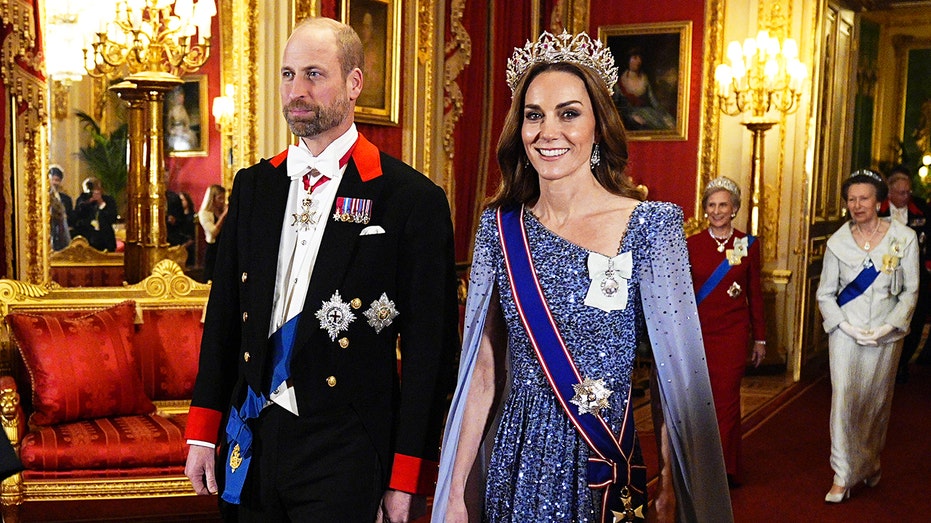
Kate Middleton’s choice to wear Queen Victoria’s Oriental Circlet Tiara at the recent state banquet honoring German President Frank-Walter Steinmeier offers more than an elegant fashion statement—it serves as a deliberate act rich in historical symbolism and forward-looking messaging. This largest tiara she has ever worn, historically reserved for British queens, signals both reverence for royal heritage and an astute choreography of diplomatic and monarchical imagery that reflects broader transformations within the British monarchy.
The Bigger Picture: Historical Roots and Royal Heritage
The Oriental Circlet Tiara, crafted in the Victorian era by Queen Victoria’s husband, Prince Albert, carries with it centuries of intertwined UK-German history. Prince Albert was a member of the German House of Saxe-Coburg and Gotha, whose lineage shaped much of the British monarchy until the family rebranded as Windsor in 1917 amid World War I anti-German sentiment. The tiara’s Indian-inspired design—with lotus flowers and Mughal arches—and incorporation of gemstones like diamonds and rubies once symbolized imperial reach and royal prestige.
This rich historical backdrop adds profound layers to Kate’s choice. Presenting this particular tiara during a German state visit resonates as an intentional nod to shared ancestral ties and diplomatically reinforces the United Kingdom’s longstanding relationship with Germany—an alliance that has evolved from dynastic roots to contemporary political partnership. Expert royal commentator Hilary Fordwich underscores this, noting the monarchy’s calculated use of symbolism to reflect "continuity and a shared heritage while signaling a new era."
What This Really Means: Monarchy in Transition and the Politics of Appearance
Kate’s debut of this prominent tiara—paired with a striking, bold blue gown deviating from traditional whites favored by Queen Elizabeth II—signals a deliberate transition in royal imagery. This new aesthetic aligns with Prince William’s and Catherine’s efforts to modernize monarchical presentation, appealing to a generation that values authenticity and contemporary relevance alongside tradition.
Such sartorial choices are far from superficial; they are part of a broader strategic narrative about the monarchy’s future identity—knitting together respect for historical legacy with a progressive vision that embraces change. The jewelry and attire worn at state occasions often serve as silent communicators, articulating values, alliances, and institutional adaptability in moments of public and diplomatic scrutiny.
The pandemic and recent health challenges faced by the Princess of Wales add personal resonance to this public display. Her visible health recovery and renewed prominence at high-profile engagements humanize the monarchy, boosting public goodwill at a time when royal relevance faces intense debate within the UK and globally.
Expert Perspectives: Symbolism, Strategy, and Sentiment
Royal experts highlight that every element worn by members of the royal family is "deliberate," operating as part of a curated tradition punctuated by moments of innovation. Amanda Matta notes the rarity of the tiara’s use—"typically reserved for Britain’s queens"—as underscoring Catherine’s elevated role.
Hilary Fordwich emphasizes the political and diplomatic acumen behind the choice, tying the tiara to the sender’s German origins and the monarchy’s historic name change from Saxe-Coburg and Gotha to Windsor in 1917 to preserve British national identity during a period of intense xenophobia. This layered symbolism creates a bridge from the past to the present through thoughtful display and ceremony.
Data & Evidence: British Public Sentiment and Royal Engagements
Polling over recent years indicates a nuanced public appetite for a modernized monarchy. A 2024 YouGov poll found 61% of Britons favored a more contemporary and less rigid royal family image, signaling broad endorsement for changes embodied by William and Catherine’s public appearances.
State banquets remain one of the last bastions of traditional monarchical pageantry, but these events are increasingly leveraged to project a royal image that balances dignity with approachability. The selective use of historic heirlooms like the Oriental Circlet accompanies attempts to maintain continuity amid societal shifts.
Looking Ahead: What to Watch in Royal Symbolism and Diplomacy
As the monarchy navigates the post-Elizabeth II era, symbolism surrounding figures like the Princess of Wales will grow in importance. The way Catherine uses iconic pieces—the size of the tiara, its historical connotations, and associated regalia—may forecast her role as a unifier bridging the monarchy’s storied past and its evolving future.
Moreover, such royal fashion and jewelry choices will continue to serve diplomatic functions, subtly emphasizing alliances and shared histories. Observers should pay attention to future state events for similar symbolic cues reflecting global relationships and domestic messaging.
The Bottom Line
Kate Middleton’s Oriental Circlet Tiara is far more than a glittering accessory. It acts as a carefully calibrated statement intertwining royal heritage, personal resilience, diplomatic respect, and modernization efforts. The tiara’s debut at Windsor highlights the monarchy’s savvy in using tradition not as a static relic but as a dynamic medium through which to negotiate identity, legacy, and relevance.
Topics
Editor's Comments
Kate Middleton’s use of the Oriental Circlet Tiara crystallizes the delicate balancing act the British monarchy faces: honoring tradition while evolving for the 21st century. Such symbolism is rarely accidental; it’s a carefully choreographed message acknowledging historical ties—especially to Germany—while simultaneously signaling renewal under the next generation. This moment offers a window into how royal material culture can serve both diplomatic and cultural functions. It also raises interesting questions about how future monarchs will negotiate identity amid pressures for modernization, public scrutiny, and geopolitical shifts. The princess’s choices remind us that royal fashion is never just fashion—it’s a form of storytelling, heritage management, and soft power projection.
Like this article? Share it with your friends!
If you find this article interesting, feel free to share it with your friends!
Thank you for your support! Sharing is the greatest encouragement for us.