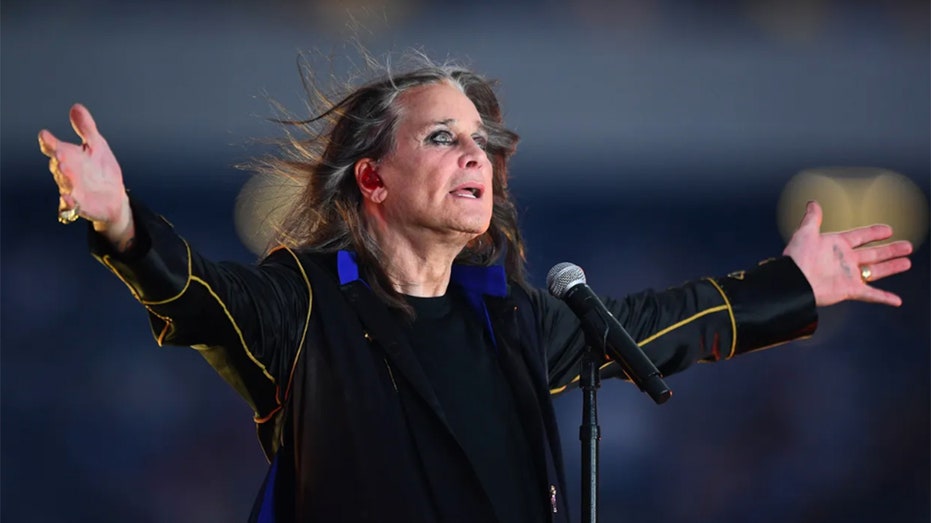
Ozzy Osbourne’s Bible and the New Politics of Celebrity Faith

Sarah Johnson
December 7, 2025
Brief
Ozzy Osbourne’s reported late-life Bible reading is more than a curiosity. We unpack how a Tennessee pastor’s celebrity outreach reveals deeper shifts in American religion, celebrity culture, and digital-age faith.
Ozzy Osbourne, a Tennessee Youth Pastor, and the New Battle Over Celebrity Souls
When a small-town youth pastor from Tennessee quietly hands a personalized Bible to one of rock’s most notorious frontmen, it looks like a human-interest story. In reality, it’s a window into three much bigger battles: the future of American religion, the changing politics of celebrity culture, and the way social media is reshaping spiritual influence.
Dylan Novak’s ministry to more than 2,000 celebrities—including Ozzy Osbourne, Tom Cruise, President Donald Trump, Keanu Reeves, and Sydney Sweeney—sounds like a niche curiosity. It isn’t. It maps onto a deeper shift: as trust in institutions erodes, individual influencers—whether pastors, TikTok creators, or aging rock stars—are becoming the new conduits through which people reassess faith, meaning, and mortality.
The overlooked story: celebrity evangelism as a mirror of American religion
On the surface, Novak is simply doing what evangelicals have done for decades: personal outreach, Bibles, apologetics material. But his chosen mission field—celebrities—reveals several important dynamics:
- Evangelicals are recalibrating strategy from mass crusades and megachurches to targeted, relational outreach in elite spaces.
- Celebrity spiritual journeys have become public catalysts for ordinary people exploring (or re-exploring) faith.
- Social media has turned private spiritual encounters into network events, where one rock star reading a Bible can spark hundreds of emails from disillusioned former believers.
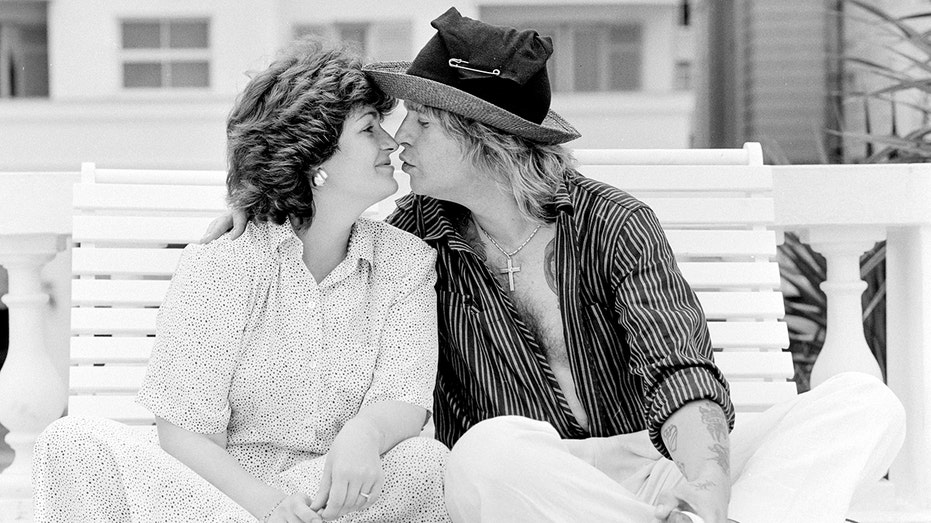
The Ozzy Osbourne anecdote—receiving a modern-language New Believer’s Bible, reportedly reading it, discussing it with family, keeping it by his bed—captures a tension that has always haunted American pop culture: the ‘Prince of Darkness’ persona versus the private person facing his own mortality.
From Hollywood conversions to Instagram prayers: historical context
There’s a long lineage here. American evangelicals have targeted entertainers and public figures for at least a century, but the methods and media have changed dramatically:
- 1940s–1960s: Early Hollywood outreach saw pastors holding Bible studies for actors, and faith-based groups forming in the studio system. Billy Graham made a point of cultivating relationships with cultural elites.
- 1970s–1980s: The “Jesus Movement” intersected with the rock scene in California. Larry Norman, Bob Dylan’s Christian period, and later, the rise of contemporary Christian music blurred lines between mainstream and religious culture.
- 1990s–2000s: High-profile celebrity conversions (from athletes to pop stars) were often platformed through televangelists or Christian media. The model was broadcast: a testimony on TV or at a stadium crusade.
- 2010s–2020s: The game shifts to micro-targeted relationships and digital amplification. Pastors like Novak engage one-on-one, then use Instagram, YouTube, and TikTok to mobilize prayer and shape narratives.
Novak’s method—a personalized Bible, a letter referencing the celebrity’s own interviews, apologetics resources—couldn’t have worked in the same way in the 1980s. Today, he can research every public comment a celebrity has made about spirituality, tailor his approach, and then instantly bring tens of thousands of followers into the story as prayer partners.
Why celebrities are a strategic “mission field”
Evangelicals have long believed that influencing the influential can have outsized cultural impact. Sociologist James Davison Hunter called this the “top-down” theory of cultural change: shift the beliefs of elites—artists, intellectuals, political leaders—and you eventually reshape mainstream values.
Novak articulates a version of this when he says celebrities are “so known in the world, but they’re forgotten” spiritually. The underlying strategic logic:
- Celebrities as multipliers: A private spiritual shift by Ozzy Osbourne, Jerry Lee Lewis, or a major actor can ripple through millions of fans who identify with them.
- Parasocial trust: Fans often feel they “know” celebrities more than they know local clergy or institutions. If a celebrity takes faith seriously, some fans will revisit it too.
- Symbolic reversals: When a figure associated with rebellion, excess, or even anti-religious imagery engages with Christianity, it becomes a powerful symbolic story of transformation—or at least reconsideration.
The fact that Novak received “no exaggeration, hundreds” of emails after Ozzy’s death from self-described “old rockers” wanting the same materials is a textbook example of this multiplier effect. Ozzy’s private interactions become a public permission slip: if he could look again at Christ, so can they.
Ozzy Osbourne: from ‘Prince of Darkness’ to late-life seeker
Ozzy Osbourne has always been more complex than his stage persona. Raised in a Catholic working-class family in Birmingham, he mixed religious imagery, shock theatrics, and dark humor to build one of rock’s most durable brands. Over the years he’s oscillated between irreverence, superstition, and flashes of spiritual seriousness.
In a 2020 interview, he admitted he struggled to read the Bible because of its archaic language. Novak’s decision to give him a modern translation is small but symbolically important: it acknowledges a broader reality that for many older, lapsed, or skeptical figures, the barrier isn’t always hostility—it’s accessibility.
Novak’s account—Ozzy smiling, saying “I can actually understand this,” then reportedly reading and discussing the Bible with his family—should be treated cautiously; we don’t have corroborating public statements from the Osbourne family. But whether or not Ozzy experienced a definitive conversion is almost beside the point for the larger story.
The real impact is in what Ozzy’s reported curiosity has triggered among his peers and fans: people who once rejected Christianity are now saying, in Novak’s words, “If Ozzy was willing to look at it, I’m willing to look at it.” That’s less about doctrinal statements and more about spiritual mood—a subtle softening among people who assumed the door was closed.
Jerry Lee Lewis and the fear of dying wrong
The Jerry Lee Lewis encounter fits into another enduring pattern in American religious life: late-life anxiety about the afterlife. Lewis, raised in a fervent Christian environment in the South, spent decades wrestling with guilt over his music and lifestyle. In multiple interviews he expressed fear about where he would “end up.”
When Novak meets him in an airport terminal and tells him, “It doesn’t matter that we’re here… You can make that decision and follow Jesus today,” he’s stepping into a narrative that’s haunted Lewis for decades. The handwritten note that followed—“Don’t worry, Jesus is my personal savior”—and Lewis’ decision to record a Gospel album are classic examples of what sociologists describe as “death awareness conversions”: religious reaffirmations near the end of life as people seek coherence, closure, and moral accounting.
For evangelicals, these moments validate a core theological conviction: “It’s never too late.” For critics, they raise questions about sincerity, fear-driven decisions, and whether late-life religious declarations erase earlier harm. Either way, they highlight how celebrity stories become cultural parables about sin, redemption, and second chances.
What’s really driving this surge in interest?
Several broader currents make Novak’s ministry more than a niche curiosity:
- Institutional collapse and personalized faith
Trust in organized religion in the U.S. has fallen sharply. Gallup finds that confidence in the church or organized religion dropped from around 68% in the mid-1970s to roughly the mid-30% range in recent years. As institutions lose moral authority, individual relationships and stories carry more weight. A youth pastor handing a Bible to Ozzy feels more authentic to many than a denominational statement or a televised sermon. - Spiritual but not religious, but still curious
The share of Americans who identify as religious “nones” has surged to about 30%. Yet many of these “nones” retain some belief in God or the afterlife, and remain spiritually curious. Watching familiar cultural figures wrestle with faith near the end of life offers a socially acceptable way to revisit questions of eternity and purpose without “rejoining church.” - Mortality in an age of crisis
A global pandemic, political instability, and rising mental health struggles have pushed mortality and meaning back into the mainstream conversation. When icons of the baby boomer generation—like Osbourne and Lewis—confront death, their large cohorts of aging fans feel those tremors personally. - Algorithmic spirituality
Novak’s Instagram account @CelebrityEvangelist turns one-on-one encounters into content. It’s a delicate line: he insists he writes posts as if the celebrity will see them, not to exploit them. But structurally, he’s doing something new—creating a feedback loop where followers pray, engage, and sometimes reach out for the same resources. In effect, he’s turned celebrity evangelism into a distributed, algorithm-driven ministry model.
Ethics, consent, and the optics of publicizing private faith
This model raises thorny ethical questions that mainstream coverage often glosses over.
- Informed consent and vulnerability: Celebrities at fan events or airports are in liminal spaces—public but tired, performing but also emotionally unguarded. Does approaching them with spiritual materials take advantage of that liminality, or is it simply seizing an opportunity?
- Privacy vs. testimony: Novak says he keeps personal conversations confidential, yet he shares enough detail to build narrative arcs around individual celebrities’ spiritual journeys. Even if publicists are contacted, the celebrity may never have intended their private curiosity to be turned into semi-public testimony.
- Platforming grief: After Ozzy’s death, Novak’s ministry fielded hundreds of emails from fans. For them, this may be meaningful. But there’s a risk of centering the ministry’s narrative in someone else’s loss, especially if the family’s own public statements about faith remain limited or absent.
These tensions mirror a larger debate in modern religion: when does “sharing a testimony” slip into commodifying someone else’s spiritual process—particularly when that person is lightning rod-famous and no longer alive to clarify what they really believed?
How experts see this trend
Religious scholars and cultural analysts point to Novak’s work as part of a broader realignment in American religion rather than an anomaly.
Religious historian Dr. Anthea Butler has noted in her work on evangelicalism that targeting high-profile figures has long been an aspirational strategy, but social media has “flattened the distance between pew-sitter and pop star” in unprecedented ways. Fans don’t just consume celebrity stories; they imitate their spiritual explorations.
Sociologist of religion Dr. Michael Emerson has described this era as one of “DIY spiritual authority,” where individuals create personalized blends of belief shaped by podcasts, YouTube preachers, and the perceived authenticity of public figures more than by denominations.
And media theorist Dr. Heidi Campbell, who studies digital religion, argues that online platforms “create religious micro-publics where stories of individual transformation become templates, not just testimonies.” In that sense, Ozzy’s reported engagement with Scripture becomes less about his personal eternal destiny and more about the template it offers thousands of others: it’s okay to revisit a faith you thought you’d outgrown.
What to watch next
Several questions will determine whether ministries like Novak’s remain a curiosity or become a significant force in American religious life:
- Will more celebrities go public?
If actors, musicians, or influencers begin publicly confirming or expanding on these private encounters—through podcasts, documentaries, or memoirs—it will further normalize spiritual searching, especially among nominally secular creatives. - Will other traditions follow?
So far, the model is predominantly evangelical Protestant. It’s an open question whether Catholic, Jewish, Muslim, or secular humanist groups will develop similarly personalized outreach to cultural elites, especially as religious diversity in Hollywood grows. - Will this deepen polarization—or soften it?
In an era when “evangelical” is increasingly politicized, stories of quiet, relational evangelism focused on mortality and meaning rather than politics could either humanize evangelicalism—or be dismissed as covert culture-war strategy. - What happens when a celebrity pushes back?
To date, the publicized stories are mostly receptive ones. A high-profile, public rejection—especially if framed as boundary-crossing or exploitative—could force a reckoning about best practices, consent, and the ethics of posting about private conversations.
The bottom line
Beneath the heartwarming anecdotes about customized Bibles and last-minute conversions lies a more consequential story: American religion is moving further away from institutions and closer to personalities, relationships, and stories that travel through social feeds.
Dylan Novak’s quiet encounter with Ozzy Osbourne in 2023, accompanied by a modern-translation Bible the rock star said he could finally understand, encapsulates a broader shift. Faith, especially in late life, is becoming less about belonging to a church and more about negotiating one’s story in light of mortality. When those stories involve cultural icons, they don’t stay private—they become scripts others use to rewrite their own lives.
Whether one sees Novak’s work as admirable ministry, soft power religious marketing, or something in between, it’s a barometer of where the country is heading: into an era where even the “Prince of Darkness” can become, in death, a catalyst for hundreds of quiet, digital-age reconsiderations of faith.
Topics
Editor's Comments
The most striking piece of this story isn’t just that a Tennessee youth pastor reached Ozzy Osbourne; it’s how seamlessly this fits into a broader, largely unexamined realignment of religious authority. For decades, analysts have tracked the erosion of institutional trust in churches, but we’ve paid less attention to what has replaced it: a patchwork of personal relationships, parasocial bonds with public figures, and highly curated digital narratives. Novak’s ministry sits at the intersection of all three. It raises uncomfortable questions for both supporters and critics. Supporters need to reckon honestly with the power asymmetry inherent in publicizing someone else’s spiritual vulnerability, particularly posthumously. Critics, on the other hand, should resist the temptation to dismiss this as mere PR or culture war; the emotional response from hundreds of self-described ‘old rockers’ suggests something real is happening beneath the surface. Whether we like this model of faith transmission or not, it may be a preview of how spirituality will travel in an increasingly de-institutionalized America—through stories about individuals, amplified by algorithms, and negotiated more in comment sections than in pews.
Like this article? Share it with your friends!
If you find this article interesting, feel free to share it with your friends!
Thank you for your support! Sharing is the greatest encouragement for us.