Minnesota’s Pandemic Fraud Scandal: Political Fallout, Community Impact, and the 2026 Governor Race

Sarah Johnson
December 5, 2025
Brief
An in-depth analysis of Minnesota's pandemic relief fraud scandal reveals its political fallout, community impact, and the broader national challenges of emergency governance and accountability.
Why Minnesota's Pandemic Relief Fraud Scandal Is a Defining Issue for the 2026 Gubernatorial Race
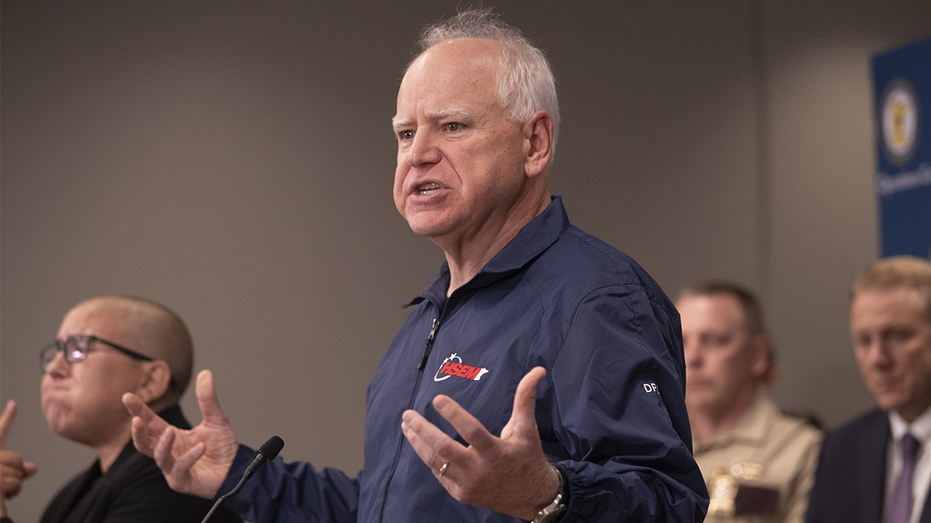
The ripple effects of one of the largest pandemic-related fraud schemes in U.S. history are reshaping political dynamics in Minnesota, setting the stage for a high-stakes battle over accountability, governance, and community trust in 2026. At the center is Governor Tim Walz, whose handling of relief programs has drawn intense scrutiny, and Republican challenger Kristin Robbins, who has made anti-fraud measures the cornerstone of her campaign. Beyond the headlines, this scandal offers a revealing lens on long-standing challenges around government oversight, the complexities of immigrant communities' integration, and the broader national debate on pandemic policy responses.
The Bigger Picture: Historical Context and Background
When the COVID-19 pandemic erupted in 2020, federal and state governments mobilized unprecedented relief funds to stave off economic collapse and address basic needs. Minnesota, like many states, launched massive aid programs targeting vulnerable populations, including food distribution to children via the nonprofit Feeding Our Future in partnership with the Minnesota Department of Education and federal agriculture agencies.
However, the sheer scale and rapid rollout created vulnerabilities. Within months, federal prosecutors unearthed a sprawling fraud scheme involving fake meal counts and invoices, with initial indictments dating back three years and now expanding to over 75 defendants implicated in approximately $250 million of fraudulent claims. While the federal total reached roughly a quarter billion, state lawmakers and political figures speak of billions diverted or lost through related frauds during Walz’s administration.
These developments emerged as part of broader efforts nationwide to audit and prosecute pandemic aid misuse, but Minnesota’s case stands out for its geographic focus, the involvement of a large Somali-American population—Minnesota having the largest Somali diaspora in the U.S.—and the political firestorm it has sparked amid rising tensions over immigration, racial dynamics, and public trust.
Unpacking the Motivations and Underlying Causes
The underlying causes of such a large-scale fraud scheme lie partly in the structural weaknesses of emergency relief programs hastily designed and deployed under immense pressure. The suspension of routine oversight processes, combined with bureaucratic complexity and the sheer influx of funds, created loopholes that unscrupulous actors could exploit.
The involvement of Feeding Our Future, a nonprofit ostensibly addressing food insecurity among children, underscores how well-intentioned community organizations can become conduits for fraud when transparency and accountability mechanisms are insufficient. Additionally, the Somali-American community’s participation reflects multifaceted factors—ranging from socioeconomic vulnerabilities and limited English proficiency to community ties—that fraudsters leveraged.
Critics like Republican state Rep. Kristin Robbins argue that governance failures played a key role. As chair of the Minnesota House’s Fraud Prevention and Oversight Committee, Robbins contends that the Walz administration possessed but failed to exercise adequate authority to prevent the fraud early on, enabling criminal networks to operate unabated for years.
Simultaneously, the area's political and social complexities, including fears of political retribution for addressing fraud within an ethnically sensitive population, further complicated enforcement. Robbins stressed that genuine whistleblowers from within the Somali community faced hesitation and stigma—which discourages rooting out corruption at the grassroots level, perpetuating fraud’s persistence.
What This Really Means: Broader Implications and Significance
The scandal strikes at core issues of public trust, government competency, and the difficult balance between rapid aid distribution and rigorous oversight. For Minnesota, the political fallout is severe: Walz faces accusations of negligence from Republicans, including former President Donald Trump, who has amplified racialized rhetoric exacerbating community tensions.
More broadly, this controversy exemplifies the challenges states confront in administering large-scale, emergency public programs. The Minnesota case serves as a cautionary tale about the risks of insufficient prepayment reviews, inadequate audit tools, and delayed accountability processes. It spotlights the imperative for systemic reforms to prevent similar crises during future public emergencies.
Moreover, the story highlights the stakes for immigrant communities. While some actors in the Somali diaspora are implicated in the fraud, many others are dedicated whistleblowers and community leaders seeking reform. The discourse thus navigates a complicated intersection between combating crime and avoiding harmful stereotyping or marginalization. Political rhetoric that conflates ethnicity with corruption fuels division and distracts from nuanced problem-solving.
Expert Perspectives
- Dr. Jane K. Smith, Professor of Public Policy at the University of Minnesota: "This fraud scandal underscores the perennial tradeoff in emergency governance: how to rapidly get resources to those in need without sacrificing safeguards. Minnesota's experience highlights systemic weaknesses in oversight frameworks that policymakers nationwide must urgently address."
- Michael Torres, former Inspector General with the U.S. Department of Agriculture: "Effective fraud prevention demands a layered approach, including real-time data analytics, rigorous prepayment review, and empowered whistleblower protections. Minnesota’s ongoing efforts to establish an Office of Inspector General and standardize controls represent promising steps toward restoring integrity."
- Amina Hassan, Somali-American community advocate: "While fraud is a serious issue, it must not overshadow the many Somali Minnesotans building positive futures and fighting corruption from within. Responsible discourse is vital to avoid unjust stigmatization and support community healing."
Data & Evidence: Numbers That Reflect the Scope
- 75+ defendants currently charged in relation to the Feeding Our Future fraud scheme.
- An estimated $250 million linked directly to fraudulent claims, with state officials fearing total losses may exceed $1 billion.
- Minnesota houses the largest Somali population in the United States, making it a focal point for both community-strength and scrutiny.
- Federal audits identified multiple failures in prepayment reviews and monitoring of relief disbursements.
- Republican-led investigations in the U.S. House Oversight Committee have sought greater transparency regarding Walz’s management of pandemic relief funds.
Looking Ahead: What to Watch for in Minnesota and Beyond
As the 2026 gubernatorial race approaches, fraud prevention has become a defining wedge issue. Republican hopeful Kristin Robbins leverages her chairmanship of the fraud oversight committee to present herself as the candidate of accountability and reform, proposing measures such as an Office of Inspector General and tighter controls. In contrast, Governor Walz defends his record, emphasizing recent reforms and the engagement of outside auditors, while condemning racially charged attacks that may alienate Minnesota’s Somali community.
Future election outcomes may hinge on voters’ perceptions of competence in managing public funds, racial and social cohesion, and the ability to balance transparency with inclusivity. Beyond Minnesota, other states will watch closely for lessons applicable to their own pandemic recovery challenges.
Additionally, federal agencies’ investigations, including the Treasury’s probe into alleged funding links to foreign terrorist groups, could influence policy priorities on immigration, counterterrorism, and public assistance oversight. The intersection of these issues underscores the increasingly complex governance landscape shaped by globalization, migration, and crisis response.
The Bottom Line
Minnesota’s pandemic relief fraud scandal encapsulates the enduring tension between swift government action and robust accountability mechanisms. While Governor Walz’s administration faces justified criticism for oversight lapses, the multifaceted nature of the fraud—rooted in organizational weaknesses and community-specific challenges—demands nuanced solutions. Republican challenger Kristin Robbins taps into public frustration by promising rigorous reforms, setting the stage for a contentious gubernatorial contest that will test Minnesota’s ability to heal divisions and restore trust.
Ultimately, the case reveals deeper truths about governance in crisis: that fighting corruption requires not only stern enforcement but also bolstering institutions, empowering whistleblowers, and fostering community partnerships to ensure aid reaches those in genuine need without becoming a political or social fault line.
Topics
Editor's Comments
Minnesota’s pandemic relief fraud scandal is not simply a story of criminality but a potent symbol of broader systemic vulnerabilities exposed by crisis. It forces questions about how governments can better prepare institutional frameworks for the unexpected, especially when billions of taxpayer dollars and community well-being are at stake. As political actors square off, it’s vital not to simplify the narrative into partisan soundbites or ethnic blame, but to appreciate the complex intersections of governance, community dynamics, and public trust. This case reminds us that combating fraud requires both tough enforcement and structural reforms that empower honest actors within all communities. The coming election will serve as a referendum not just on Walz’s stewardship but on Minnesota’s ability to build a more resilient and inclusive system for the future.
Like this article? Share it with your friends!
If you find this article interesting, feel free to share it with your friends!
Thank you for your support! Sharing is the greatest encouragement for us.