Beyond the Headlines: Analyzing Trump’s Attack on Minnesota’s Somali Community and Federal Immigration Moves

Sarah Johnson
December 3, 2025
Brief
An in-depth analysis of Trump's attacks on Minnesota's Somali community and the implications of federal immigration enforcement, exploring historical context, political strategies, and social consequences.
Opening Analysis
The recent inflammatory remarks by former President Donald Trump targeting Minnesota's Somali community, coupled with reports of intensified immigration enforcement in the Twin Cities, reveal deep-seated tensions at the intersection of immigration policy, race, and political identity in America. This episode is not merely about one politician's rhetoric or isolated enforcement actions—it reflects historical patterns of immigrant integration challenges, the politicization of ethnic communities, and the evolving nature of U.S. immigration enforcement strategies. Understanding the broader socio-political context and potential consequences is critical for grasping what this controversy truly signifies for Minnesota, the Somali diaspora, and national immigration debates.
The Bigger Picture
Somali immigrants began arriving in Minnesota in substantial numbers during the early 1990s, driven largely by civil war and famine in Somalia. Minnesota became one of the largest Somali hubs in the U.S., with the Twin Cities area now home to an estimated 40,000 to 60,000 Somali-Americans. This community has been widely credited with revitalizing certain urban neighborhoods economically and culturally, but has also faced challenges related to poverty, education gaps, and social integration.
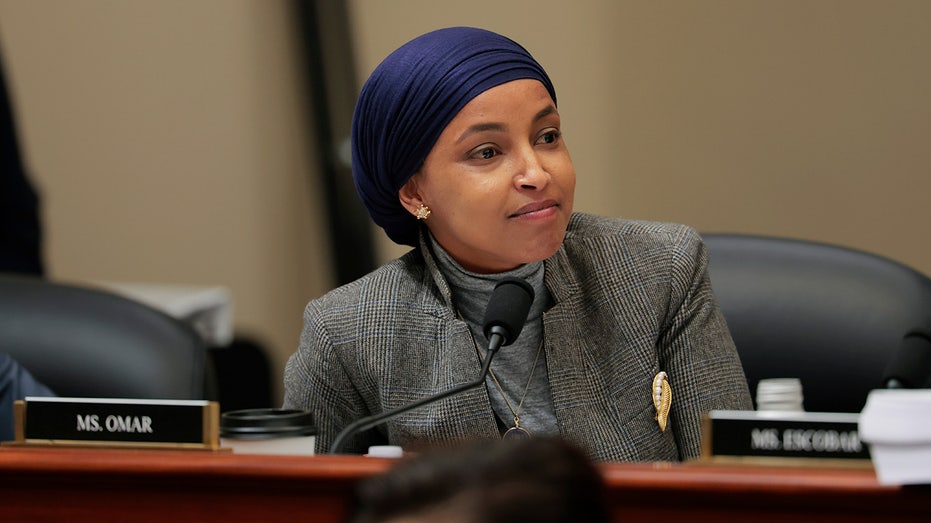
Minnesota's Somali population has become politically visible and influential, highlighted by figures such as Rep. Ilhan Omar, the first Somali-American elected to Congress. However, this visibility has also polarized opinions, with critics often invoking concerns over welfare dependency, crime, and cultural integration—narratives frequently weaponized in partisan politics.
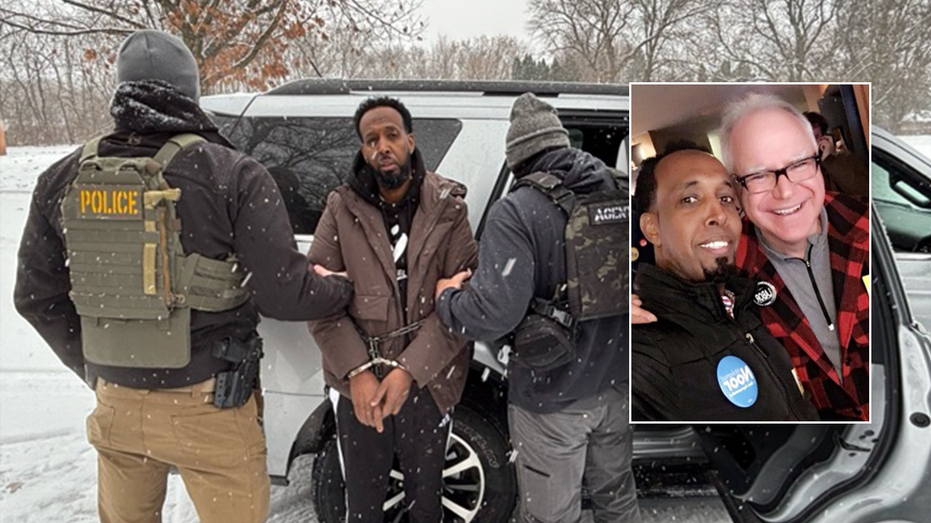
The reported ICE operation and Trump's rhetoric echo longer histories of scapegoating immigrant communities during periods of social unease. Similar enforcement surges and public denunciations have affected Latino, Muslim, and other immigrant groups historically. The invocation of fraudulent activity within the Somali community echoes past attempts to link immigration with corruption and criminality, often with limited evidence but significant electoral impact.
What This Really Means
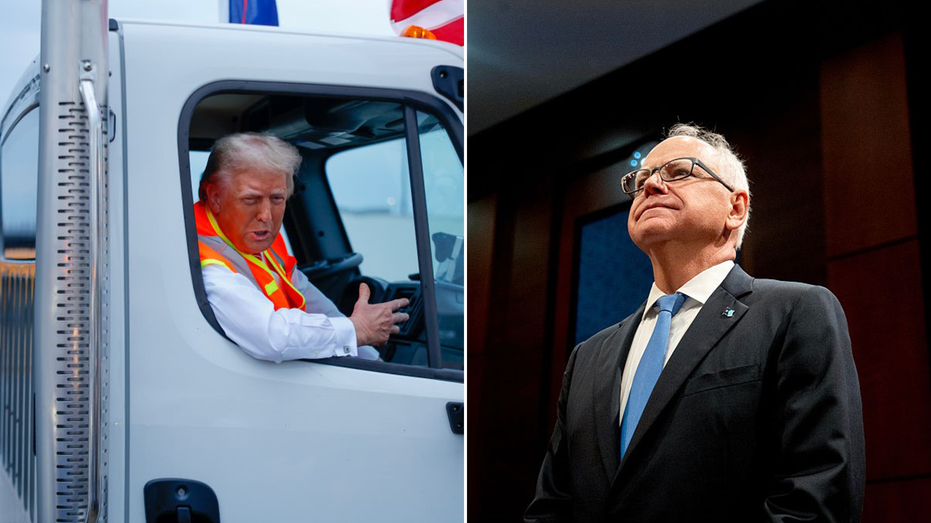
Trump’s decision to publicly label the Somali community as “garbage” and attack their welfare use not only inflames ethnic tensions but risks deepening social divides at a time when Minnesota is already wrestling with racial justice protests and questions about social equity. His rhetoric feeds into a binary narrative painting immigrants as either beneficiaries or threats to American society, oversimplifying complex realities.
The intertwining of criminal fraud allegations—allegedly involving Somali-led programs—with immigration enforcement suggests a strategy to justify harsher immigration policies under the guise of protecting public resources. Yet, such claims risk unfairly stigmatizing an entire ethnic group based on a subset of cases, undermining community trust and cooperation with authorities.
Moreover, the reported ICE operation, although officially denied as ethnicity-targeted, comes amid aggressive federal immigration approaches that have, in the past, disproportionately affected minority communities. This undermines public confidence in fair and impartial law enforcement.
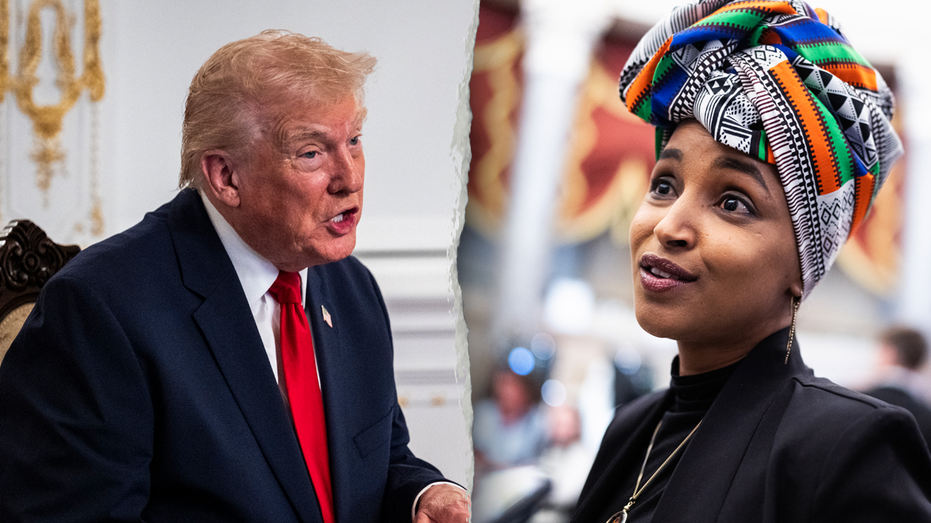
Politically, targeting Rep. Ilhan Omar personally signals an attempt to rally conservative bases through identity politics, but it also risks alienating moderate and immigrant voters. The resurfacing of disputed allegations about Omar’s personal life exemplifies how immigrant politicians can become focal points for broader cultural and political battles, often divorced from policy substance.
Expert Perspectives
Dr. Roda Ahmed, Professor of Migration Studies: "The Somali community in Minnesota represents a complex immigrant story that combines resilience with adaptation challenges. While there are economic hardships, blanket characterizations ignore the substantial contributions Somalis have made. Politically targeting this community risks inflaming ethnic divisions rather than fostering integration."
Michael Steinbach, Former DHS Official: "ICE enforcement decisions should be based on actual immigration violations, not ethnic profiling. History shows that when immigration enforcement is perceived as targeting specific groups, it erodes trust in institutions and can drive vulnerable communities further underground."
Karen Jacobson, Policy Analyst at the Center for Immigration Reform: "Addressing fraud in state programs is crucial, but enforcement must be precise and evidence-based. Sweeping enforcement actions risk punishing innocent people and conflating immigration status with criminal behavior."
Data & Evidence
- Minnesota hosts approximately 40,000 to 60,000 Somali-Americans, one of the largest concentrations in the U.S., primarily in Minneapolis-St. Paul.
- Somali immigrants have a poverty rate somewhat higher than the national average; however, second-generation Somalis show improved educational outcomes and labor market integration.
- While welfare participation rates among Somali households are higher than average, this correlates closely with socioeconomic starting points and is not unique to Somalis.
- The state's Department of Human Services reported minimal cases of fraud related to refugee resettlement programs compared to overall program size, indicating fraud exists but may not be systemic.
- ICE operations nationwide have historically had disproportionate impacts on minority immigrant groups, although official policies prohibit enforcement based on race or ethnicity.
Looking Ahead
This conflation of immigration enforcement with political rhetoric targeting specific communities may catalyze several outcomes:
- Heightened community tensions: Somali Minnesotans may feel increasingly alienated, potentially undermining public safety cooperation and social cohesion.
- Political mobilization: The Somali community and allied progressive groups may intensify political engagement to counteract stigmatization and push for immigrants’ rights protections.
- Policy scrutiny and reform: Minnesota and federal authorities may face pressure to increase transparency in welfare program administration and immigration enforcement practices.
- National implications: This case may serve as a precedent for rhetoric and enforcement strategies in other immigrant-heavy states, influencing the broader immigration debate in the U.S.
The Bottom Line
The controversy surrounding Minnesota’s Somali community reveals persistent challenges in balancing immigration enforcement with community integration and equitable governance. Above all, it underscores how political leaders’ language significantly shapes public perceptions and the lived realities of immigrant communities. Careful, evidence-based policy approaches and respectful discourse are essential to avoid deepening divisions and to foster a more inclusive society.
Topics
Editor's Comments
This controversy illuminates how immigration debates have evolved into proxy battles over identity and culture. While enforcement and fraud allegations warrant scrutiny, the conflation of policy with inflammatory rhetoric risks deepening divides that have long undercut social cohesion in immigrant-heavy cities. It is a cautionary tale about the consequences of reducing complex communities to stereotypes for political gain. Understanding these dynamics is crucial for policymakers aiming to craft balanced, humane immigration and social policies.
Like this article? Share it with your friends!
If you find this article interesting, feel free to share it with your friends!
Thank you for your support! Sharing is the greatest encouragement for us.