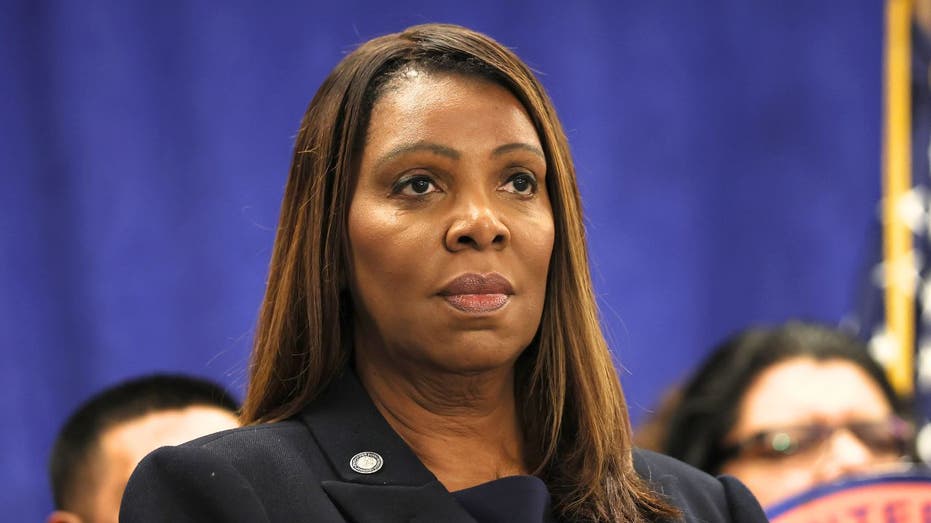
The Grand Jury’s Rejection of Letitia James: A Crucible for DOJ Integrity and Political Influence

Sarah Johnson
December 5, 2025
Brief
An in-depth analysis of the DOJ's failed attempt to re-indict Letitia James, highlighting the intersection of legal procedural issues and political dynamics shaping U.S. prosecutorial independence.
Why the Grand Jury's Decision to Decline Re-Indicting Letitia James Signals Deeper Strains in Justice and Politics
The recent decision by a grand jury in the Eastern District of Virginia to decline re-indicting New York Attorney General Letitia James marks more than a procedural setback for the Department of Justice (DOJ); it lays bare the complex intersections of judicial integrity, politically charged prosecutions, and challenges to the rule of law. The case’s unraveling exposes historical patterns of politicization within federal prosecutorial efforts, raising urgent questions about institutional norms, prosecutorial ethics, and the future landscape of politically sensitive legal actions.
The Bigger Picture: A Historical Context of Politicized Justice
Letitia James, a prominent Democrat known for her aggressive scrutiny of former President Donald Trump and his allies, became the target of a bank fraud indictment that was later dismissed by Judge Cameron Currie citing that the prosecutor, Lindsey Halligan, was unlawfully serving as interim U.S. attorney. This legal technicality is emblematic of a longstanding frustration in American judicial history where judicial rulings intersect with questions about legitimate appointments and procedural correctness, sometimes weaponized amidst political rivalries.
The DOJ’s attempt to re-indict James despite the initial dismissal reflects echoes of prior politically fraught prosecutions of high-profile politicians that have underscored tensions between career prosecutors and politically appointed leadership. Historically, the appointment and tenure of U.S. Attorneys have frequently become battlegrounds signaling shifting political priorities, as seen in episodes like the 2006 Dismissal of U.S. Attorneys controversy during the George W. Bush administration, which raised alarms about political interference in federal prosecutions.
What This Really Means: Challenges to the Rule of Law and Institutional Integrity
The grand jury’s refusal to re-indict James is statistically extraordinary, as grand juries generally indict when the DOJ presents probable cause. This refusal suggests either the evidence remained insufficient or the prosecutorial case was fundamentally flawed. It also implicitly critiques the DOJ’s prosecutorial strategy amid apparent internal discord, particularly with the prior interim appointment’s questionable legality. More broadly, it signals the DOJ’s struggle to maintain impartiality and procedural legitimacy while navigating cases deeply entangled with partisan politics.
Attorney Abbe Lowell’s description of the grand jury’s decision as a “decisive rejection” and a repudiation of what he called "baseless charges" draws attention to a broader apprehension within parts of the legal community about weaponizing the justice system as a tool for political vendettas. Such dynamics risk eroding public trust in legal institutions, particularly if prosecutorial decisions appear influenced more by political alliances than by evidence-based law enforcement.
Expert Perspectives: Diverse Views on Implications and DOJ Conduct
Legal scholars like Prof. Ronald Krotoszynski Jr., a constitutional law expert, stress that "the involvement of improperly appointed prosecutors undermines the foundational principle of due process and jeopardizes the credibility of grand jury proceedings." Meanwhile, former federal prosecutor Michael Bromwich warns against interpreting the grand jury decision as a political win, emphasizing that "the DOJ’s continued effort to re-indict likely reflects deeper institutional pressures and the necessity to uphold prosecutorial independence in politically sensitive cases."
Data & Evidence: Understanding Grand Jury Dynamics and DOJ Appointment Protocols
Historical data shows that grand juries indict approximately 95% of cases presented by the DOJ, making a refusal to indict an unusual event warranting scrutiny. Moreover, the circumstances around Lindsey Halligan’s appointment as interim U.S. Attorney violate the Federal Vacancies Reform Act, reinforcing why Judge Currie invalidated the original indictment. These data points illustrate systemic vulnerabilities in the intersection of administrative law and prosecutorial execution within politically charged environments.
Looking Ahead: What to Watch for in DOJ Prosecutions and Political Fallout
This case sets a precedent that could either deter the DOJ from pursuing politically sensitive prosecutions under questionable legal pretenses or embolden ambiguous prosecutorial behavior in highly partisan contexts. Watch for pending appeals and DOJ attempts to re-indict James, which will test the judiciary’s tolerance for prosecutions that teeter on administrative irregularities.
Additionally, the political implications are significant: if the DOJ is perceived as enabling partisan prosecutions, it may accelerate calls for reforms around U.S. Attorney appointments, federal prosecutorial independence, and enhanced oversight mechanisms.
The Bottom Line
The grand jury’s refusal to re-indict Letitia James does more than pause a legal case; it exposes procedural vulnerabilities, politicization risks, and institutional strains at the DOJ at a time when public confidence in justice is paramount. This episode underscores the necessity for legal processes grounded firmly in adherence to law and transparency, lest the justice system become a theater of political conflict rather than impartial adjudication.
Topics
Editor's Comments
This case exemplifies the complex tensions that arise when legal procedures become entangled with political rivalries. The DOJ's persistence in pursuing charges despite clear judicial rebuke calls for significant introspection about prosecutorial discretion and the safeguards necessary to preserve institutional legitimacy. It raises important questions about how the justice system can safeguard against becoming a tool for political vendettas, especially at a time when faith in impartial law enforcement is critical. Observers should closely monitor how appeals and future DOJ actions unfold, as the outcomes could set important precedents for DOJ independence or further politicization.
Like this article? Share it with your friends!
If you find this article interesting, feel free to share it with your friends!
Thank you for your support! Sharing is the greatest encouragement for us.