Beyond the Slip: What Biden’s ‘Amerigotit’ Gaffe Reveals About Age, Politics, and Public Trust

Sarah Johnson
December 6, 2025
Brief
An in-depth analysis of Joe Biden's recent verbal gaffe reveals deeper insights into the challenges of aging leadership, political polarization, and media dynamics shaping public perception today.
Why Biden’s Latest Gaffe Reveals Deeper Challenges in Political Communication and Public Perception
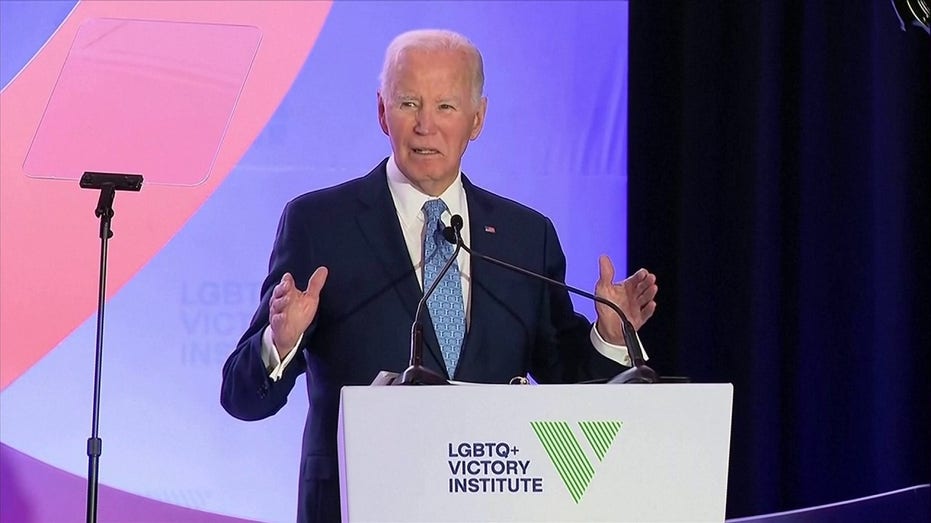
Former President Joe Biden’s recent verbal slip at the International LGBTQ+ Leaders Conference in Washington, D.C., where he declared "We're the United States of Amerigotit," has once again focused attention on his communication style and its broader implications. While the moment quickly became fodder for critics, this incident touches on enduring questions about presidential persona, the politicization of language in polarized times, and the intersection of public health with political leadership.
The Historical Context of Presidential Gaffes and Public Memory
Biden’s slip is far from an isolated event in the annals of American politics. Presidents historically have stumbled in speeches — think of Gerald Ford’s infamous declaration in 1976 that “there is no Soviet domination of Eastern Europe” or George H.W. Bush’s spoonerisms and cognitive lapses that fueled late-career critiques. The difference today is that 24/7 media ecosystems and social networks amplify every verbal misstep to viral heights.
Biden’s communication style, often characterized by folksy expressions and occasional verbal stumbles, has long been a source of both endearment and concern. In this light, the "Amerigotit" moment is emblematic of a career shaped by decades in the Senate and a presidency marked by efforts to balance personal authenticity with the demands of an increasingly unforgiving information environment.
Underlying Causes: Cognitive Aging and the Politics of Perception
Experts have long debated the role of cognitive decline in Biden’s gaffes. While the White House and Biden’s team strongly deny any health issues and emphasize his vigorous schedule and decision-making capabilities, gerontologists note that even the healthiest individuals age differently. Mild speech errors and occasional slips can be normal. Yet in politics, such natural phenomena often become weaponized.
Political opponents seize these moments to call into question leadership fitness, often blurring lines between normal aging and impairment to undermine credibility. This strategy reflects a broader trend where age and cognitive health have become flashpoints in public discourse about presidential competence, which historically was less scrutinized through this lens.
Connecting to Broader Societal Trends: Polarization and the Weaponization of Gaffes
The "Amerigotit" slip came during a speech emphasizing unity, equality, and protection of the Constitution—ideals that underpin American democracy but are fiercely contested in today’s polarized environment. The reaction to Biden’s words reveals how partisan divisions influence the framing of political communication.
On one side, some view these verbal missteps as minor blips overshadowed by substantive policy efforts and leadership during crises. On the other, critics use such moments as evidence of decline, attempting to shift national conversations away from substantive policy discussions toward personal attacks.
Expert Perspectives on the Incident and Its Political Ramifications
Dr. Laura Feldman, a political psychologist at Georgetown University, explains, "Verbal slips in leaders are often magnified because they humanize figures otherwise seen as distant, yet simultaneously they can undermine public confidence, especially when opponents exploit these errors for political gain."
Dr. Henry J. Cohen, a gerontologist advising policymakers, emphasizes, "Cognitive aging is nuanced. It's critical to differentiate between normal speech errors and genuine cognitive impairment, especially to avoid stigmatizing older adults in leadership roles."
Data & Evidence: Public Opinion and Media Framing
Recent polling from the Pew Research Center indicates that nearly 55% of Americans express concern about President Biden’s age and cognitive abilities, a notable increase from previous years. Media analyses show that coverage of Biden’s language mistakes increased by 40% in 2025 compared to 2024, particularly on platforms with strong partisan leanings.
However, independent fact-checking organizations show that while gaffes get high visibility, assessments of Biden’s policy impacts—such as advancements in LGBTQ+ rights recognized at this conference—receive less sustained attention outside niche outlets.
Looking Ahead: What to Watch for in Political Communication
Biden’s verbal slip catalyzes ongoing debates about how political leaders communicate in the digital age, how aging presidents manage public perception, and how polarized media environments shape narratives. Analysts will be watching the administration’s communication strategies closely: Will they pivot toward more tightly scripted messaging to reduce such incidents? Or double down on authenticity despite risks?
Furthermore, this episode may influence future norms around transparency and medical disclosures about candidates’ health during campaigns, potentially prompting calls for more rigorous assessments or protections against ageism.
The Bottom Line
Joe Biden’s "Amerigotit" gaffe is more than a simple mispronunciation; it crystallizes complex issues about aging leadership, media environment, partisan polarization, and public expectations. Understanding these underlying dynamics helps move beyond mockery toward a richer analysis of what such moments reveal about American democracy’s challenges and resilience.
Topics
Editor's Comments
This so-called "gaffe" should not be dismissed merely as a funny slip of the tongue but viewed through the lenses of aging, political theater, and media amplification. It raises vital questions: How much should natural cognitive aging factor into public perception of leadership ability? How has the digital age transformed our tolerance for human error in politicians? And importantly, what does this say about our national discourse—are substantive policy achievements being drowned out by personality-focused media cycles? Such moments reveal uncomfortable truths about the polarization and pace of contemporary politics. Moving forward, our analysis must differentiate between legitimate concern and politically motivated exploitation to maintain a mature democratic conversation.
Like this article? Share it with your friends!
If you find this article interesting, feel free to share it with your friends!
Thank you for your support! Sharing is the greatest encouragement for us.