
Beyond the Jackpot: What a $1.15M Vegas Slot Win Reveals About the City's Economic Future

Sarah Johnson
December 4, 2025
Brief
An in-depth analysis of a Las Vegas tourist’s $1.15 million slot win illuminates broader trends in gaming revenue growth amid declining visitors and rising costs impacting the city's tourism economy.
Jackpot Luck Amid a Shifting Vegas Landscape: Why This $1.15 Million Win Matters More Than Meets the Eye
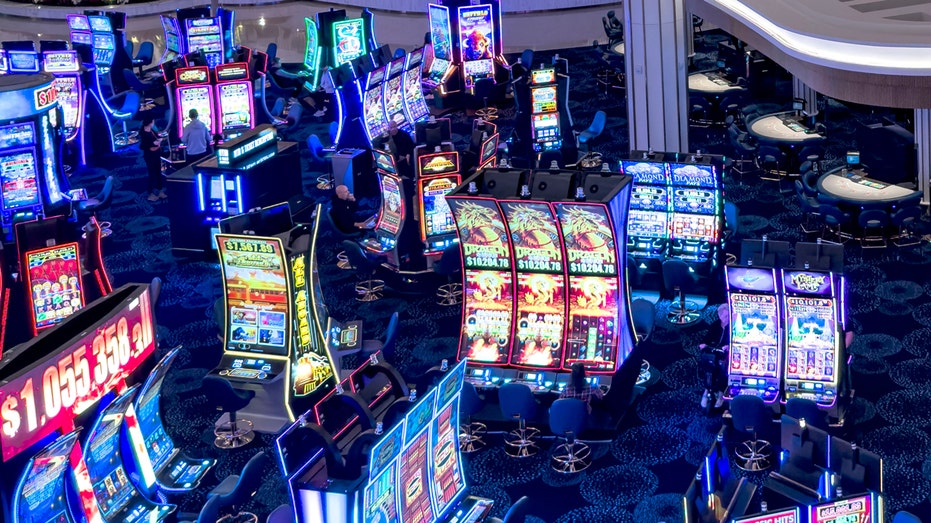
The recent story of a Las Vegas tourist hitting a $1.15 million jackpot on a $25 Dragon Link slot machine at Fontainebleau Las Vegas may seem like a classic “luck of the gambler” tale. But behind this headline-grabbing windfall lies a complex snapshot of ongoing shifts in the Vegas gaming and tourism economy—one marked by declining visitor volumes yet rising gaming revenues, higher costs for visitors, and the resilience of high-stakes gamblers. This analysis peels back the layers to reveal what such an event signals for Las Vegas’s future as both a tourist hub and gambling destination.
The Bigger Picture: Historical Context and Current Trends
Las Vegas has long symbolized the gambling mecca—where fortunes can change with the spin of reels or the turn of a card. Historically, slot machines have been a cornerstone of revenue for casinos, attracting diverse demographics from casual tourists to dedicated high-limit players. However, the city’s tourism industry has faced headwinds in recent years, including pandemic-related disruptions and shifting traveler behaviors.
According to data from the Las Vegas Convention and Visitors Authority (LVCA), Vegas saw just over 3 million visitors in September 2025, marking an 8.8% decrease year-over-year. Despite fewer visitors, casino gaming revenue on the Strip rose 5.5%, with downtown casinos posting an even larger increase of over 8%. This divergence between foot traffic and revenue underscores the increasing importance of high-value gamblers and changing spending patterns.
The anecdotal evidence from tourists—including shock at rising prices for coffee, drinks, and ATM fees—further paints a picture of a destination grappling with inflation and cost pressures, which may be pricing out some casual visitors while encouraging more selective spending from others.
Why This Win Is More Than Mere Luck
The anonymous winner’s jackpot on a high-limit slot machine reflects a broader trend toward attracting and catering to big spenders. High-limit games typically require larger minimum bets and offer higher payouts, sustaining casino profitability even as average visitor numbers decline. This winner’s $25 bet is significant—lower than many high-limit minimums yet enough to trigger an enormous payout.
This event shows how casinos balance risk and reward, using enticing jackpot possibilities to retain gambling clientele willing to risk sizable sums in hopes of life-changing wins. From the casino’s perspective, these wins are part of the marketing allure, drawing visitors with dreams of hitting the jackpot—but the reality is that the majority of bets fuel casino profits.
Expert Perspectives on Vegas’s Economic Shifts
Dr. Ana Rodriguez, a Casino Management expert at the University of Nevada, Las Vegas, explains: "The increase in gaming revenue despite fewer visitors indicates a shift toward higher 'yield' customers—those willing to spend more per visit. Casinos have recalibrated their strategies to focus less on volume and more on value, catering to niche segments. This recent jackpot is a neat showcase of that, highlighting how slot machine innovation and high-limit options maintain engagement."
Similarly, economic analyst Mark Levinson notes: "Rising prices and cost of living in Las Vegas potentially deter middle-class tourists, but appeal to wealthier gamblers who see Vegas as a playground for high-roller experiences. The consequence is a bifurcated market—less mass tourism but more focused spending by fewer visitors."
Data Points Highlighting Changing Visitor Patterns
- Visitor numbers dropped 8.8% year-over-year despite aggressive marketing and reopening efforts.
- Gaming revenue on the Strip increased 5.5% even amid visitation declines, signaling higher spend per visitor.
- Downtown Las Vegas gaming revenue increased 8%, a sign of shifting visitor preferences and perhaps more competitive offerings outside the Strip.
- Consumer complaints about inflated prices—$20 for two coffees, $14 lattes, $25 pool drinks—reflect inflationary pressures and premiumization of services.
Looking Ahead: Potential Implications for Las Vegas's Future
This jackpot win arrives at a pivotal time. If visitor numbers continue to decline due to high costs or changing leisure preferences, casinos may increasingly lean on high-limit gaming and VIP segments to sustain revenue. This carries risks, including potential overreliance on a narrower clientele and exposure to economic downturns impacting wealthy discretionary spending.
However, diversified revenue streams such as entertainment, dining, and conventions remain key to Vegas’s resilience. Addressing affordability and perception issues will be vital if the city hopes to reverse visitor declines and maintain a balanced, sustainable tourism economy.
Technology will also shape the future: advanced slot machine designs, data-driven customer targeting, and digital gaming innovations may redefine how casinos attract and retain gamblers.
The Bottom Line
The story of a $25 bet turning into a $1.15 million jackpot is more than a feel-good holiday headline—it exemplifies how Las Vegas’s gaming industry is navigating significant transformations. The juxtaposition of fewer visitors but higher gaming revenue captures a casino ecosystem adapting to economic realities through targeted offerings and strategic marketing. Yet, ongoing challenges around rising visitor costs and tourist retention highlight the fragility beneath the glitz. How Vegas balances these forces will shape the city’s identity and economic health in the coming years.
Topics
Editor's Comments
This jackpot story exemplifies the dual reality Las Vegas faces as it transitions from a mass-market tourist city to a more segmented high-value gambling hub. While the excitement of multi-million-dollar wins captures headlines, the underlying economic shift hints at broader challenges. Rising prices alienate typical middle-income travelers, while casinos adapt by courting fewer but richer players. This raises questions about sustainability—can Vegas maintain its iconic appeal if it becomes a niche luxury destination? Will this economic stratification widen social divides within local communities dependent on tourism? These are vital questions policymakers and industry leaders must confront as the city charts its next chapter.
Like this article? Share it with your friends!
If you find this article interesting, feel free to share it with your friends!
Thank you for your support! Sharing is the greatest encouragement for us.