Beyond the Headlines: Analyzing ICE Arrests of Afghan Nationals from Biden's Resettlement Programs

Sarah Johnson
December 5, 2025
Brief
An in-depth analysis of the arrests of Afghan nationals resettled under Biden-era programs, exploring vetting challenges, national security implications, and future immigration policy reforms.
Understanding the Arrests of Afghan Nationals Under Biden-Era Resettlement: A Deeper Analysis
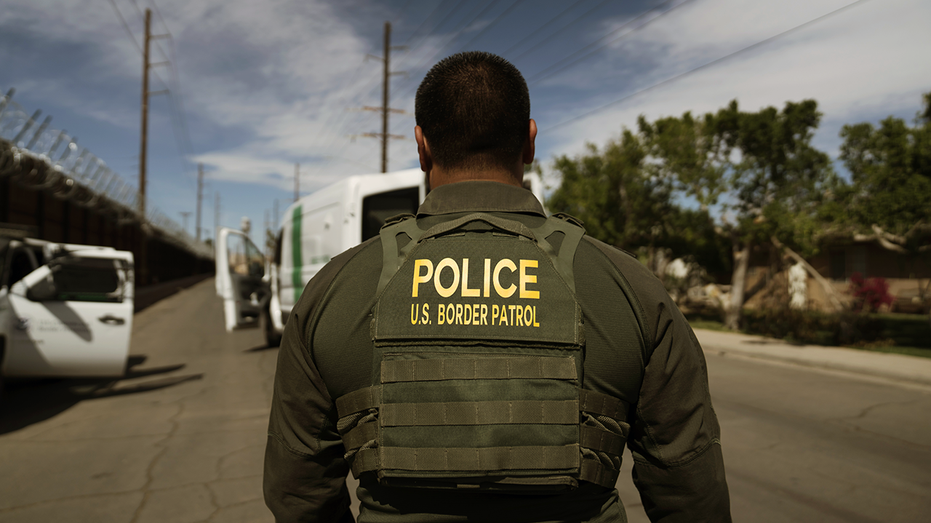
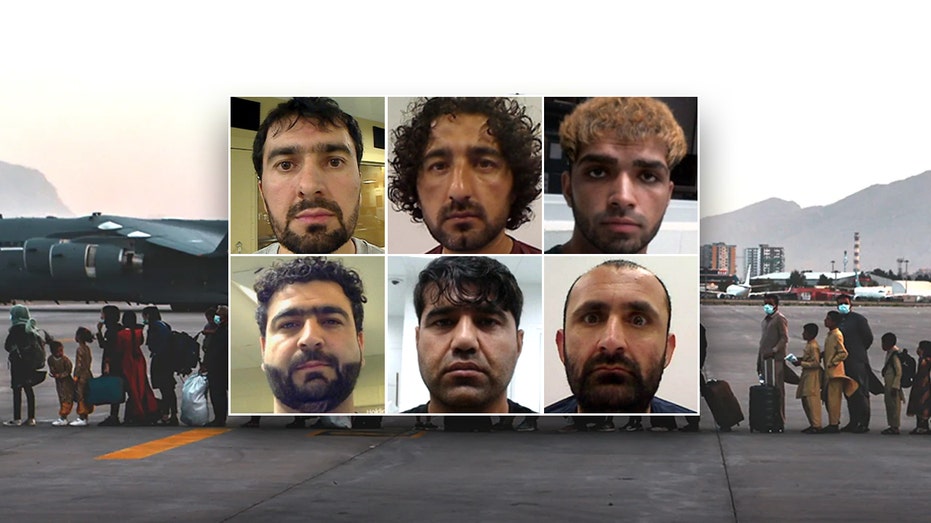
The recent announcement by U.S. Immigration and Customs Enforcement (ICE) regarding the arrests of multiple Afghan nationals, some with serious criminal convictions, who entered the United States via Biden administration programs, has reignited deep debates about national security, immigration policy, and the long-term consequences of emergency refugee resettlement efforts. What may initially appear as a troubling set of isolated cases actually reflects a complex intersection of geopolitical urgency, vetting challenges, and evolving American immigration and security priorities.
The Bigger Picture: Historical and Policy Context
To fully grasp the implications, it’s essential to understand the backdrop of Operation Allies Refuge and Operation Allies Welcome. These were emergency evacuation and resettlement efforts launched in 2021 following the rapid collapse of the U.S.-backed Afghan government and the Taliban’s return to power. Nearly 190,000 Afghan nationals were airlifted and brought to the U.S., many labeled as vulnerable allies, interpreters, or at-risk groups.
Such a large-scale humanitarian and security effort was unprecedented in recent American history, raising enormous logistical challenges, especially in completing thorough background checks and vetting procedures amid the chaos of evacuation. Under traditional refugee admissions processes, applicants undergo extensive security screening including fingerprinting, biometric checks, and interviews. But the urgent circumstances resulted in expedited, sometimes incomplete vetting, often relying on individual affidavits or community referrals given the collapse of Afghan state infrastructure.
Historically, similar evacuations under duress—such as the Vietnam War’s Operation New Life or massive refugee crises from conflicts—have suffered from lapses in screening, though none on the same scale or complexity as Afghanistan. The stakes were exceptionally high given Afghanistan’s role as a theater of violent extremism and the presence of multiple terrorist groups.
What This Really Means: Implications for National Security and Immigration Policy
The arrests spotlight a critical tension: balancing humanitarian obligation and national security. While the majority of evacuees have integrated without incident, the presence of individuals with criminal records—ranging from sexual offenses to violent assaults—raises concerns about the efficacy of accelerated vetting, parole policies, and monitoring after arrival.
Experts warn this underscores potential gaps in post-arrival integration and law enforcement coordination. Since many Afghan evacuees were admitted under parole rather than formal refugee status, they initially lacked access to certain resettlement services and close oversight by refugee agencies, possibly hindering early identification of public safety risks.
Furthermore, these cases are being used politically to critique the Biden administration’s handling of the evacuation and subsequent resettlement programs. Such criticisms often emphasize changes from prior immigration policies under different administrations, sometimes overlooking the unique humanitarian and operational challenges.
Expert Perspectives
Dr. Laura Hamilton, a senior fellow at the Center for Migration Policy, notes: "The unprecedented scale and speed of the Afghan evacuation inevitably meant shortcuts in security vetting. The long-term solution lies not only in better initial screening but robust post-entry monitoring and community integration supports."
Retired FBI agent Charles Reynolds
Data & Evidence: What Numbers Tell Us
Out of the approximately 190,000 Afghan nationals admitted, ICE's announcement of arrests involves a small fraction, but the severity of the alleged crimes magnifies attention. Data from the Department of Homeland Security on parolee arrests in general indicate that rates of criminal activity among humanitarian parolees tend to be higher initially, often linked to socioeconomic marginalization, cultural adjustment challenges, or prior trauma.
Moreover, this spike in arrests follows increased resources allocated to ICE and DHS to track parole violators and criminal offenders after the surge of Afghan arrivals. It’s important to interpret these numbers within the context of intensified enforcement efforts, which can influence detection rates.
Looking Ahead: Policy, Security, and Societal Trends
Moving forward, this situation is likely to catalyze proposals for reforming vetting and parole processes, such as enhanced biometric screening capabilities, expanded intelligence data sharing, and improved social media analysis. Policymakers will face pressure to ensure refugee protection does not come at the cost of public safety, while also avoiding overly restrictive policies that undermine refugee protections or create stigmas.
The arrests also highlight the importance of community-based support programs to facilitate Afghan evacuee integration. Effective cultural orientation, mental health services, and employment support reduce vulnerability to criminal pathways.
In the long run, this episode may foster deeper examination of how emergency evacuations are conducted globally, balancing expediency with security controls, especially as geopolitical instability continues to drive mass population movements.
The Bottom Line
While the headlines on arrests from Biden-era Afghan resettlement programs are alarming, they uncover systemic challenges rooted in the unprecedented scale, urgency, and complexity of the 2021 evacuation. The story isn’t just about individual criminals but about how a nation navigates its humanitarian commitments amid evolving national security landscapes. Addressing these challenges requires nuanced policy reforms that combine smarter vetting, enhanced law enforcement coordination, and robust integration efforts—all while maintaining the ethical imperatives to protect vulnerable populations fleeing conflict.
Topics
Editor's Comments
When headlines emphasize arrests of Afghan nationals with criminal records, it’s crucial to contextualize these within the extraordinary circumstances of the 2021 evacuation. Emergency humanitarian efforts often demand rapid decisions amid incomplete information. While these serious incidents rightly raise concerns, they also highlight the need to strengthen not just initial screening but post-arrival support and law enforcement coordination. Policymakers and the public must avoid simplifying these cases into binary narratives about security versus compassion. Instead, the focus should be on comprehensive approaches that protect communities while honoring international refugee commitments. This nuanced understanding is essential to avoid undermining essential refuge programs or sowing unfair stigmas.
Like this article? Share it with your friends!
If you find this article interesting, feel free to share it with your friends!
Thank you for your support! Sharing is the greatest encouragement for us.