
Deconstructing Kristi Noem's Claims: Biden, DHS, and the Politics of Border Security

Sarah Johnson
December 3, 2025
Brief
Analyzing Kristi Noem's claim that Biden used DHS to invite terrorists, this piece contextualizes border security debates with historical data, expert views, and future policy implications.
Opening Analysis
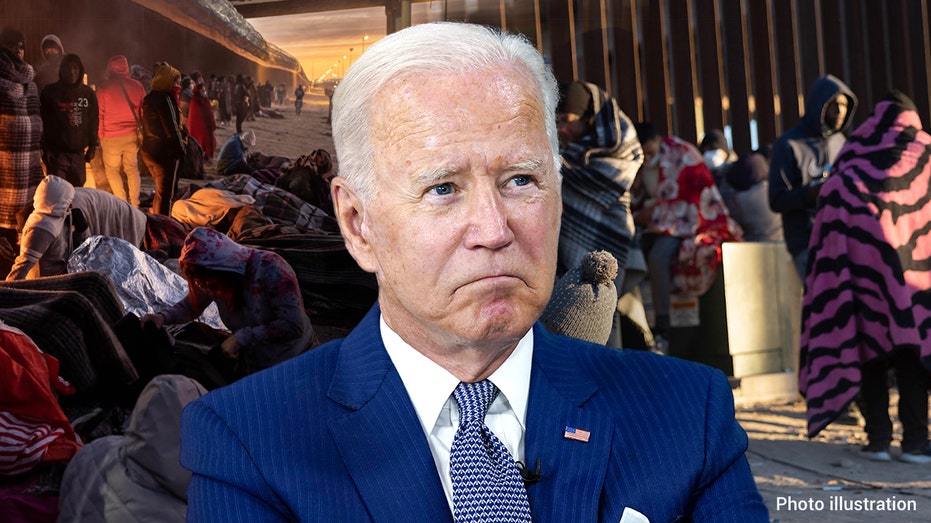
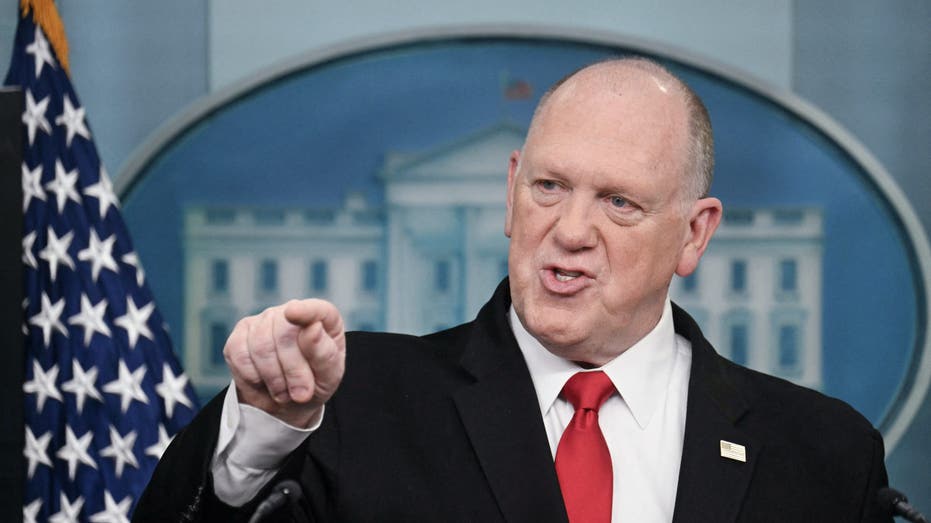
South Dakota Governor Kristi Noem’s recent remarks accusing President Joe Biden of using the Department of Homeland Security (DHS) to "invade the country with terrorists" represent a stark intensification of the political rhetoric around immigration and border security. This statement encapsulates a broader Republican narrative that portrays the Biden administration's immigration policies as not only weak but dangerously permissive, with alleged national security consequences. However, to understand the significance and implications of Noem’s comments, it is crucial to place them within the intricate historical, political, and policy contexts shaping US border enforcement and immigration debates over recent decades.
The Bigger Picture
The role of DHS in US immigration policy has evolved significantly since its creation in response to 9/11, blending traditional border enforcement with counterterrorism responsibilities. Historically, immigration policy swings between enforcement-heavy and more open approaches, influenced by political administrations and public sentiment. Under President Trump, border security took a militarized turn with a focus on building a wall, restrictive asylum rules, and increased deportations—measures that aimed to dramatically reduce undocumented entries.
Joe Biden’s administration, by contrast, sought to reverse many of Trump’s policies, emphasizing a more humanitarian stance toward migrants, including asylum seekers and refugees. However, the Biden administration has simultaneously faced unprecedented challenges at the border, including surges in migrant encounters, straining DHS resources and fueling Republican accusations of an "open border." Noem’s rhetoric reflects long-standing right-wing concerns that liberal immigration policies jeopardize national security and economic stability.
What This Really Means
Noem’s assertion that Biden "used this department to invade the country with terrorists" is a highly charged claim that deserves unpacking. This language frames migration as a hostile invasion rather than a complex socio-economic phenomenon involving refugees, asylum seekers, and economic migrants. Such rhetoric is powerful politically but risks oversimplifying issues of border security and conflating undocumented migration with terrorism, which experts generally distinguish as separate security challenges.
This framing also signals a strategic effort to mobilize public opinion against the current administration’s immigration stance by portraying it as negligent or even malicious toward national safety. It further legitimizes aggressive enforcement policies, such as mass deportations and expanded ICE recruitment—actions Noem lauded for removing "mostly the bad ones," a categorization that critics argue lacks transparency and due process.
Expert Perspectives
Dr. Doris Meissner, former Commissioner of the Immigration and Naturalization Service, notes, "While border enforcement is essential, conflating all migrants with terrorists is inaccurate and undermines effective immigration policy. The data do not support claims of a significant terrorist influx across the southern border under current administrations."
Mark Krikorian, executive director at the Center for Immigration Studies, a think tank advocating for lower immigration levels, states, "The Biden administration’s policies have indeed emboldened more migrants to attempt crossing. The challenge for DHS is managing enforcement amid unprecedented numbers, which inevitably complicates distinguishing security risks from general migration flows."
Karen Tumlin, an immigration attorney and advocate, highlights, "Aggressive rhetoric risks fueling xenophobia and masks the human costs of deportation policies, especially for families and asylum seekers fleeing violence, who are legally protected under international law."
Data & Evidence
The US Customs and Border Protection (CBP) reported over 2.4 million migrant encounters at the southern border in fiscal year 2023, the highest in over two decades, placing enormous pressure on DHS enforcement agencies. However, terrorism-related arrests linked to border crossings remain exceptionally rare, with the Department of Homeland Security consistently emphasizing that terrorists do not typically use border crossings but seek to enter via other methods.
ICE enforcement numbers under the Biden administration have fluctuated but show efforts to prioritize deportation of individuals considered threats to public safety, though critics argue this prioritization remains opaque. Notably, the Trump administration implemented over 800,000 removals in its first full year, demonstrating a historical baseline for enforcement intensity.
Additionally, surveys reveal mixed public opinion: a 2024 Pew Research study found that 62% of Americans support strengthening border security, but only 45% support building a physical barrier, illustrating nuanced public attitudes diverging from polarized political rhetoric.
Looking Ahead
Noem’s remarks and the administration’s response point toward continued contention over immigration policy as a defining political issue. Key to watch will be DHS’s operational capacity amidst calls for increased ICE recruitment and cooperation with international partners on deportations, especially with Mexico and Central American countries negotiating repatriation and visa agreements.
Further, state-level actions, such as Minnesota’s programs to resettle migrants that Noem sharply criticized, may become flashpoints in federal-state relations regarding immigration enforcement. Legal challenges from states and advocacy groups concerning civil rights and due process are likely to intensify, complicating policy implementation.
On the political front, immigration remains a potent wedge issue that will influence upcoming midterms and the 2028 presidential race, shaping party platforms and voter mobilization strategies.
The Bottom Line
Kristi Noem’s harsh critique of President Biden’s use of DHS underscores a deeply polarized immigration debate where security, sovereignty, and humanitarian values clash. While her claims on terrorism at the border lack strong empirical support, they fuel a political narrative that demands tough enforcement and border control. Understanding this discourse requires situating it within decades of shifting immigration policies, public sentiments, and security concerns. The real challenge ahead lies in crafting immigration policies that balance enforcement, human rights, and national security amid profoundly divided political and social landscapes.
Topics
Editor's Comments
The statement from Governor Noem reflects a powerful and aggressive narrative that appeals to a specific political base but risks oversimplifying the complexities of immigration and border security. While the rhetoric of 'invasion' and 'terrorists' mobilizes political support, it obscures the nuanced reality faced by DHS officials who grapple with vast humanitarian and security challenges. It is vital to critically examine such claims in light of data and expert analysis to avoid fueling misinformation. Additionally, the political dimension here raises broader questions about how immigration policies are weaponized for electoral gains, often at the expense of overlooked migrant communities and nuanced policy discussions. Readers should remain attentive to these dynamics as immigration continues to dominate the political landscape.
Like this article? Share it with your friends!
If you find this article interesting, feel free to share it with your friends!
Thank you for your support! Sharing is the greatest encouragement for us.