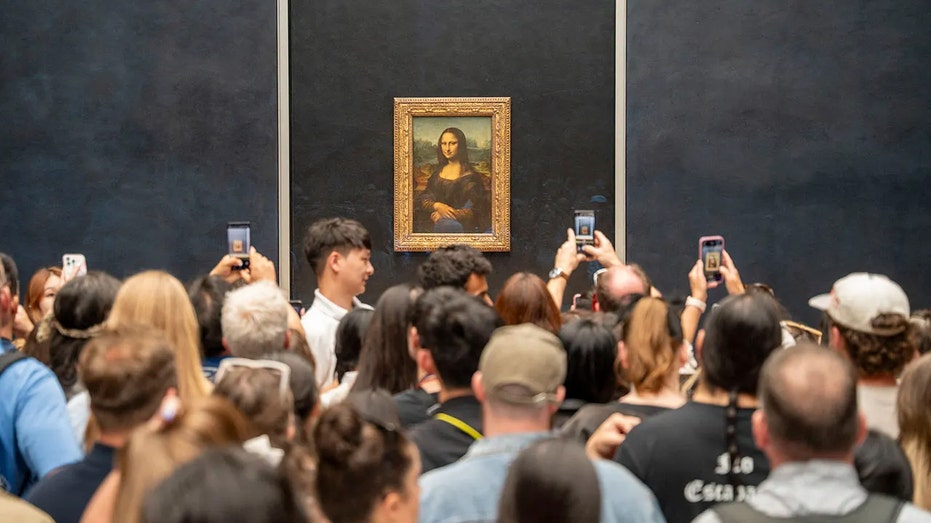
Behind the Louvre’s Price Hike: Security, Accessibility, and the Future of Cultural Heritage

Sarah Johnson
December 3, 2025
Brief
An in-depth analysis of the Louvre’s ticket price hike for international visitors amid security upgrades, exploring historical trends, economic impacts, and the future of cultural accessibility in a security-conscious world.
Opening Analysis
The Louvre’s decision to raise ticket prices for non-European Union visitors, particularly Americans, amidst heightened security concerns, underscores a complex trend where cultural institutions increasingly intertwine security, economic sustainability, and visitor experience. While at face value, the price hike appears a straightforward response to recent thefts and security expenses, it embodies broader issues regarding accessibility, cultural diplomacy, and the economic impact of security on tourism-driven institutions. This move prompts a deeper examination of how such measures reshape the relationship between museums and their global audiences, and what it signals about the evolving landscape of cultural heritage management.
The Bigger Picture
Historically, museums like the Louvre have been symbols of knowledge, cultural exchange, and national identity. Yet, they operate within a landscape shaped by risks—ranging from petty thefts to organized art heists that threaten their collections and reputation. The 2019 and 2025 theft incidents at the Louvre, notably involving high-value jewels, are not isolated events but part of a troubling pattern reflective of increasing sophistication among art criminals. These incidents have spurred institutions worldwide to reassess security protocols, often at significant cost.
Furthermore, the rise in security investments, including advanced surveillance and anti-intrusion systems, echoes a global shift where cultural institutions are adopting methods typical of high-security facilities. This shift is driven not only by criminal threats but also by the growing sophistication of security technology, which comes with hefty financial burdens—costs that institutions pass onto visitors through ticket increases.
What This Really Means
The Louvre's price hike, targeting foreign visitors, particularly Americans, reveals a layered strategy. Economically, it reflects an attempt to offset mounting security expenses and maintain operational sustainability. However, it also signals a potential shift toward market segmentation based on nationality, raising questions about accessibility and fairness. Higher entrance fees for non-residents may discourage international tourism, possibly impacting local economies dependent on such influxes.
On a broader societal level, this move embodies the tension between security and openness—a dilemma faced by cultural institutions globally. As security measures intensify, the risk is that museums become less accessible and more exclusive, potentially alienating international visitors and diminishing their role as spaces of free cultural exchange. The adoption of technology and specialized staff, such as security coordinators, further emphasizes a focus on risk mitigation over visitor experience.
Expert Perspectives
Security expert Dr. Laura Chen, a specialist in cultural heritage protection, states: "While technological upgrades are necessary, they often lead to increased costs that are passed directly to visitors. Balancing safety with accessibility is a defining challenge for modern museums. Overemphasis on security can inadvertently reduce cultural diplomacy, which is essential for global understanding."
Conversely, art security consultant James Kirkwood emphasizes: "High-profile thefts expose vulnerabilities that can threaten the very fabric of cultural institutions. Investing in security is not just about protecting assets but also about safeguarding cultural identity which, in today’s climate, requires proactive and often expensive measures."
Data & Evidence
Analysis of tourism statistics reveals that a significant portion of the Louvre’s visitors are international, with American tourists comprising approximately 13% of total attendance. In 2024, nearly 9 million visitors generated substantial revenue, highlighting the economic importance of foreign tourism. However, the recent security incidents and ensuing measures could impact future visitor numbers—especially with increased costs for American tourists, which may reduce their overall participation.
According to the International Council of Museums, security-related expenses have increased globally by an average of 15-20% annually over the past five years, reflecting both technological advancements and growing threats. The Louvre’s plan to install 100 cameras and deploy anti-intrusion systems exemplifies this trend, but also signifies a massive investment that inevitably influences ticket pricing policies.
Looking Ahead
Future implications include a potential reevaluation of how cultural institutions approach revenue generation and security. Rising ticket prices for international visitors could encourage localized or domestic tourism, yet risk diminishing the global cultural dialogue that institutions like the Louvre traditionally foster. The trend might also accelerate the privatization or commercialization of cultural spaces, with access becoming increasingly contingent upon ability to pay.
Moreover, as security becomes more pervasive, we might see the emergence of “security-based tourism,” where visitors are aware that their experience is shaped not only by art but by surveillance and protective barriers. The effectiveness and public perception of such measures will be critical in determining the future accessibility and reputation of major museums.
The Bottom Line
The Louvre’s decision to increase ticket prices for non-EU visitors, set against the backdrop of recent high-profile thefts and rapid security upgrades, encapsulates the broader challenge museums face balancing security, accessibility, and sustainability. While such measures are vital for protecting priceless collections, they also risk fundamentally altering the cultural landscape—potentially making art more exclusive and less inclusive. The key question moving forward is whether the gains in security can be achieved without disproportionally impacting the very audiences that museums seek to serve and collaborate with in the long run.
Topics
Editor's Comments
The Louvre’s aggressive security measures and price restructures highlight a critical tension in cultural management: how to protect invaluable patrimony without turning venues into fortress-like spaces that discourage open cultural exchange. While safeguarding artifacts is paramount, the long-term cultural and diplomatic impacts of such securitization warrant vigilance. As institutions evolve, defining the right balance will be essential to preserve their role as accessible portals to human history and achievement, not just protected assets.
Like this article? Share it with your friends!
If you find this article interesting, feel free to share it with your friends!
Thank you for your support! Sharing is the greatest encouragement for us.