
Why Jimmy Kimmel’s Google Trending Surge Reveals the Media’s Political Polarization Struggle

Sarah Johnson
December 5, 2025
Brief
Analyzing Jimmy Kimmel's 2025 Google trending surge reveals how political conflict drives media visibility, reflecting deeper trends in media polarization and public attention economies.
Why Jimmy Kimmel’s Google Trending Status Reveals More Than Just Internet Fame
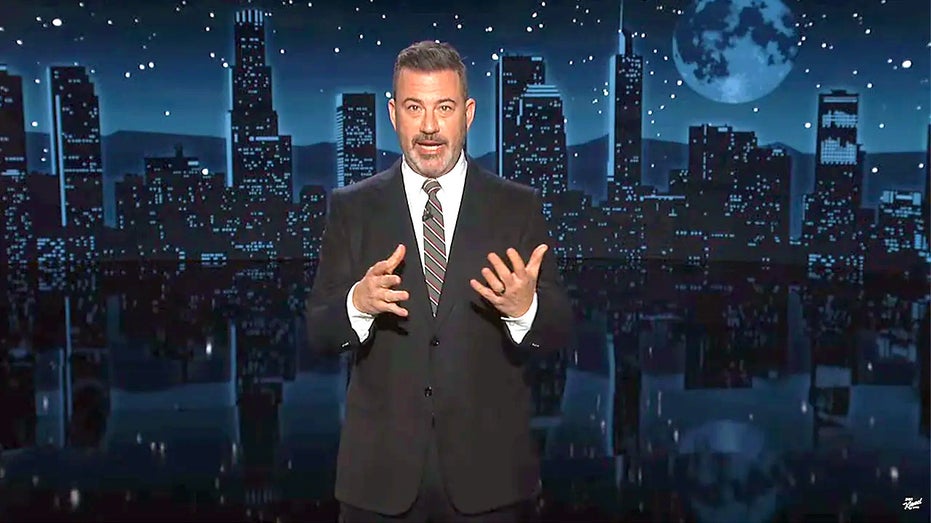
The recent revelation that late-night host Jimmy Kimmel ranks as the third most searched person worldwide on Google in 2025 is more than a quirky footnote in celebrity culture. It highlights the deep entanglement between political polarization, media dynamics, and public discourse in America—and how figures like Kimmel and Donald Trump serve as symbolic proxies in a divisive media landscape. This story, on the surface about search engine rankings and late-night banter, offers a window into broader societal currents that shape public attention and political identity today.
The Bigger Picture: Late-Night TV, Political Satire, and the Trump Phenomenon
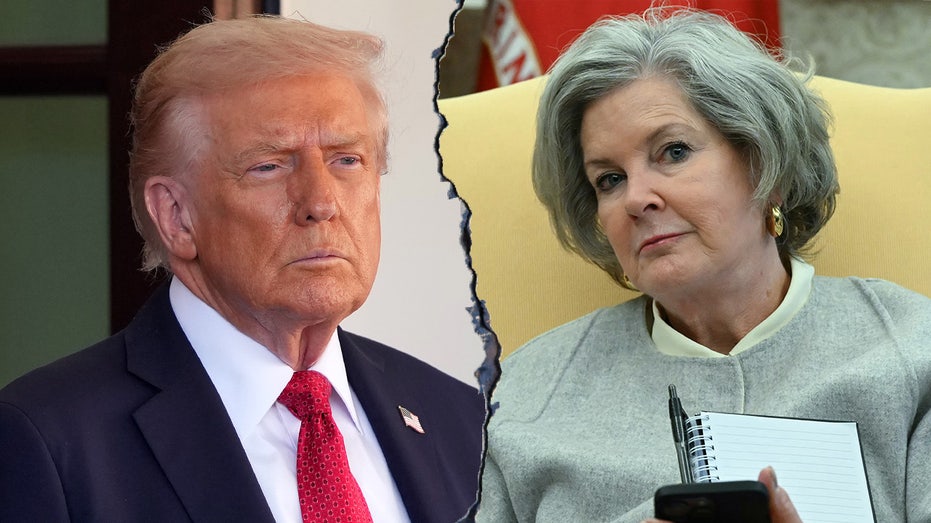
Historically, late-night comedy has long been a battleground for cultural and political commentary. Since Johnny Carson’s era through to Jon Stewart and Stephen Colbert, comedic hosts have wielded satire to critique political figures and debate societal norms. However, Donald Trump’s unprecedented role as a politically polarizing figure has amplified this dynamic to new levels. Trump’s unique ability to dominate media cycles through his provocations and reactions—even to those who mock him—has transformed figures like Kimmel into unwilling yet strategic players in the spectacle of political media.
Kimmel’s 2025 Google trending status is a direct result of this fraught interaction, fueled by Trump’s persistent public rebukes and social media attacks. As Kimmel noted, Trump’s criticisms (“untalented,” “take him off the air”) ironically raise Kimmel’s profile rather than diminish it, a modern example of the “Streisand Effect” where attempts to suppress content only amplify its reach. This phenomenon is emblematic of the symbiotic yet adversarial relationship between Trump and media personalities—a cycle of provocation and response that fuels ongoing public engagement.
What This Really Means: Media Polarization and Public Attention Economy
The interplay between Kimmel’s comedy and Trump’s counterattacks underscores how intensely media polarization has penetrated American society. Media outlets, social platforms, and political figures operate within a feedback loop that amplifies conflict and inflames audience identities. Kimmel’s ranking alongside high-profile musicians with controversial public narratives also reveals how search metrics are increasingly shaped by sensationalism and controversy rather than traditional measures of merit or achievement.
This cycle impacts public understanding and trust. On one hand, satire can illuminate political absurdities and hold power to account. On the other, it risks deepening societal divisions by framing politics as an endless spectacle of personalities battling for attention. The rise of platforms like Truth Social and the fragmentation of media further complicate how narratives form and spread, contributing to public cynicism and echo chambers.
Expert Perspectives
Dr. Maya Lewis, Media Studies Professor at Georgetown University: "Kimmel’s trending status reveals the fascinating yet troubling reality that political conflict now drives media visibility more than substantive content. The entanglement of satire and real political grievance embodies modern media’s challenge: balancing engagement with responsibility. When figures like Trump amplify a comedian’s profile through denunciation, it underlines the paradoxical power dynamics of attention economies in politics."
James Caldwell, Senior Analyst at the Pew Research Center: "Search trends indicate not just interest but cultural salience. The fact that Kimmel outranks many traditional public figures suggests that entertainment and political commentary have merged into a hybrid form that dominates public discourse. This dynamic affects how citizens form opinions and engage politically—often prioritizing dramatic narratives over policy or governance."
Data & Evidence
- Google’s annual Year in Search report for 2025 listed Kimmel third worldwide, behind “d4vd,” implicated in criminal activity, and Kendrick Lamar, controversially associated with a high-profile public altercation during the Super Bowl halftime show.
- Research from 2023 by the Council on Foreign Relations showed late-night political satire audiences grew by 27% during Trump’s presidency, illustrating the medium’s elevated political role.
- According to Nielsen ratings, Kimmel’s program saw a 15% viewership increase corresponding to periods of heightened engagement between him and President Trump, evidencing audience interest driven by political controversy.
Looking Ahead: What to Watch
As media continues to fragment and political tribalism intensifies, the role of figures like Jimmy Kimmel will likely evolve. There’s potential for further escalation of personal attacks, as public figures leverage media platforms to influence public sentiment and dominate attention cycles. Conversely, there is a growing conversation about media literacy and efforts to curb misinformation and polarization, possibly shifting audience behavior over time.
Future developments to monitor include how comedy shows balance entertainment with political responsibility, the ongoing impact of political social media platforms on public discourse, and how Google and other intermediaries adapt their algorithms to the complexities of sensational content. Additionally, responses from regulatory bodies on media accountability—highlighted by recent controversies and suspensions—will shape the environment where political satire operates.
The Bottom Line
Jimmy Kimmel’s status as a top trending Google figure, largely propelled by Donald Trump’s antagonism, is a microcosm of the intertwined worlds of media, politics, and public attention in modern America. It illustrates how political polarization drives media visibility, sometimes at the expense of nuanced discussion. Understanding this dynamic helps decode the undercurrents shaping contemporary political culture and media consumption patterns.
Topics
Editor's Comments
The dynamic between Jimmy Kimmel and Donald Trump is emblematic of a larger media ecosystem where conflict fuels public attention in a way that can overshadow necessary discourse about policy and governance. While political satire remains a vital tool for critique, the cycle of provocation and retaliation risks turning meaningful political engagement into endless spectacle. It’s critical for both audiences and media creators to recognize this pattern and seek opportunities for more substantive conversations beyond personalities. Additionally, questions arise about the role of media platforms and regulatory bodies in moderating content that blurs lines between entertainment, political commentary, and misinformation. This story thus serves as a case study for understanding modern media’s challenges and the urgent need for media literacy in an age of polarizing narratives.
Like this article? Share it with your friends!
If you find this article interesting, feel free to share it with your friends!
Thank you for your support! Sharing is the greatest encouragement for us.