Beyond the Feud: What Rosie O’Donnell’s Move Abroad Reveals About America’s Political Divide

Sarah Johnson
December 3, 2025
Brief
An in-depth analysis of Rosie O'Donnell's public feud with Trump and her family's relocation to Ireland reveals broader themes of political polarization, citizenship weaponization, and the personal toll of America's divided climate.
Opening Analysis
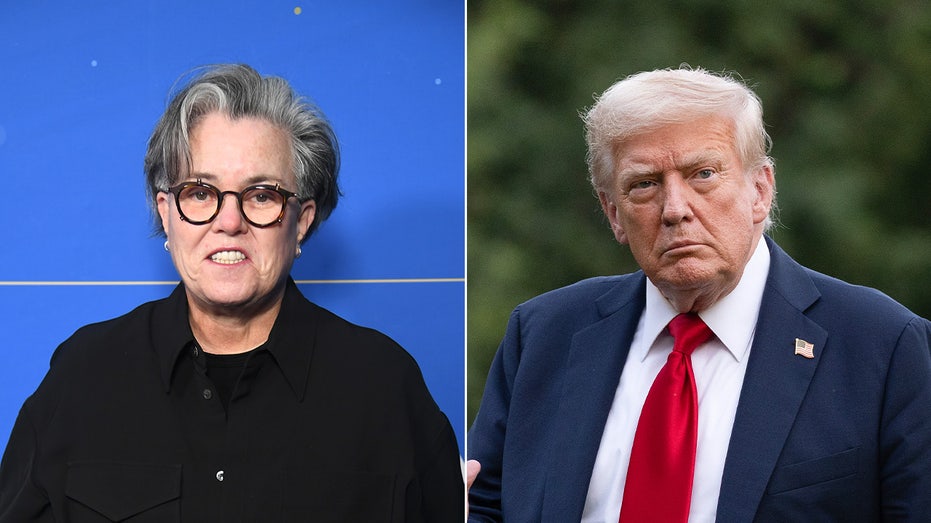
The public dispute between Rosie O’Donnell and former President Donald Trump, highlighted by O’Donnell’s recent remarks about her daughter blaming Trump for their family’s relocation to Ireland, encapsulates a personal and political rift emblematic of broader societal polarization in America. This feud underscores how political divisions have permeated private lives, leading some Americans—even prominent figures—to consider or enact self-imposed exile. Beyond celebrity drama, this episode reflects deep anxieties about national identity, security, and political climate in post-Trump America.
The Bigger Picture
Rosie O’Donnell’s conflict with Donald Trump dates back nearly two decades, peaking during Trump’s presidency and continuing beyond his time in office. Political polarization and cultural conflicts have intensified significantly in the U.S. since the early 2000s, with Trump's tenure amplifying divisions around race, immigration, patriotism, and governance. O’Donnell’s relocation to Ireland in 2025—citing safety concerns and political exile—occurs amid an era where America's democratic stability and social cohesion have been questioned globally. This phenomenon draws links to historical cases where political upheaval, oppressive government behavior, or cultural conflict has driven citizens to emigrate.
Importantly, O’Donnell’s daughter’s anger at Trump and the broader political environment illustrates how such polarization affects younger generations psychologically and emotionally, complicating identity formation in contentious times.
What This Really Means
The situation signals more than a celebrity quarrel; it represents the human impact of political alienation for millions. When families feel compelled to move abroad due to political threats or hostile environments, it threatens the social fabric and raises questions about the inclusiveness and resilience of American democracy. O’Donnell’s mention of shielding her daughter while acknowledging the child’s acute awareness of political realities highlights the emotional toll of national division on children and families.
The dispute also spotlights the weaponization of citizenship rhetoric. Despite Trump's threats to revoke O’Donnell’s U.S. citizenship—a power he constitutionally lacks—such statements have symbolic impact, fostering fear and mistrust. This manipulation of legal and patriotic symbols exacerbates the sense of disenfranchisement many feel. Meanwhile, O’Donnell’s acquisition of Irish citizenship points to the complexities of transnational identities in a globalized world, and how heritage can serve as both refuge and statement of political disaffection.
Expert Perspectives
Dr. Jennifer Rubin, Senior Fellow in U.S. Governance, notes, "The rising trend of politically motivated self-exile reflects serious cracks in national solidarity. While celebrity cases get attention, they shed light on the deeper anxieties about safety, freedom of expression, and acceptance that many ordinary citizens face."
Professor Michael Kazin, historian specializing in American political movements, emphasizes, "Throughout U.S. history, dissenters have at times faced social and political ostracism, but the Trump era intensified the personal stakes. The ongoing culture war now manifests as individual exile decisions, which is historically significant in understanding the fractured state of contemporary American society."
Dr. Maria Stephan, expert on democracy and social movements, adds, "Political threats to revoke citizenship—even when legally unfounded—serve to undermine trust in democratic institutions and widen paranoia. This erodes civic engagement and damages the psychological wellbeing of citizens, with consequences for social cohesion and national stability."
Data & Evidence
While reliable data on politically motivated emigration from the U.S. remains sparse, surveys suggest rising political dissatisfaction influences migration considerations. Pew Research Center polls in the early 2020s showed an increase in Americans contemplating leaving the country due to political climate concerns—nearly 1 in 5 adults in some surveys.
Moreover, global studies on political refugees and asylum seekers reveal that perceived political persecution or societal instability is a major driver of cross-border movement—a framework by which O’Donnell’s self-exile can be understood, albeit in a voluntary and privileged context.
Among younger Americans, data from the American Psychological Association indicates escalating anxiety related to political unrest and social division. This aligns with O’Donnell’s daughter’s distress, illustrating real psychological impacts on youth amid hyper-partisan environments.
Looking Ahead
This episode may foreshadow increasing instances of high-profile and ordinary Americans vocalizing disenchantment with U.S. politics through relocation or dual citizenship pursuits. As political polarization remains entrenched, America risks losing human capital and cultural diversity critical for innovation and social resilience.
Legal experts will continue to monitor attempts by political figures to leverage citizenship status as political tools—highlighting the importance of constitutional protections and civic education to uphold democratic norms.
Observers should watch for how such personal political exiles influence public discourse, especially in arts and culture, and whether they inspire broader movements advocating democratic repair, freedom of speech, and national reconciliation.
The Bottom Line
Rosie O’Donnell’s public feud with Donald Trump and their family’s move to Ireland is emblematic of the profound societal fissures in modern America. It reveals how political turmoil transcends policy debates, reaching deep into the personal, emotional, and familial spheres. Understanding these dynamics is essential to grasping the challenges facing American democracy today—and the urgent need to rebuild trust and inclusivity.
Topics
Editor's Comments
While often dismissed as mere celebrity drama, Rosie O’Donnell’s ongoing conflict with Donald Trump crystallizes essential questions about citizenship, identity, and belonging in an era of intensified political polarization. It raises critical concerns about how political rhetoric can fracture social bonds and influence personal safety perceptions. This case also demands scrutiny of how democratic institutions safeguard rights amid cultural wars. The emotional impact on families, especially children like O’Donnell’s daughter who directly express political trauma, calls for a more empathetic national conversation. Is the United States facilitating inclusion or fostering exile? Understanding these dynamics stretches beyond headlines and touches the core of American democratic health.
Like this article? Share it with your friends!
If you find this article interesting, feel free to share it with your friends!
Thank you for your support! Sharing is the greatest encouragement for us.