
Beyond Rhetoric: Analyzing the White House's Media Bias Offender Tip Line and Its Democratic Implications

Sarah Johnson
December 3, 2025
Brief
An in-depth analysis of the White House’s Media Bias Offender Tip Line reveals its implications for press freedom, democratic norms, and the evolving battle over media narratives in polarized America.
Opening Analysis
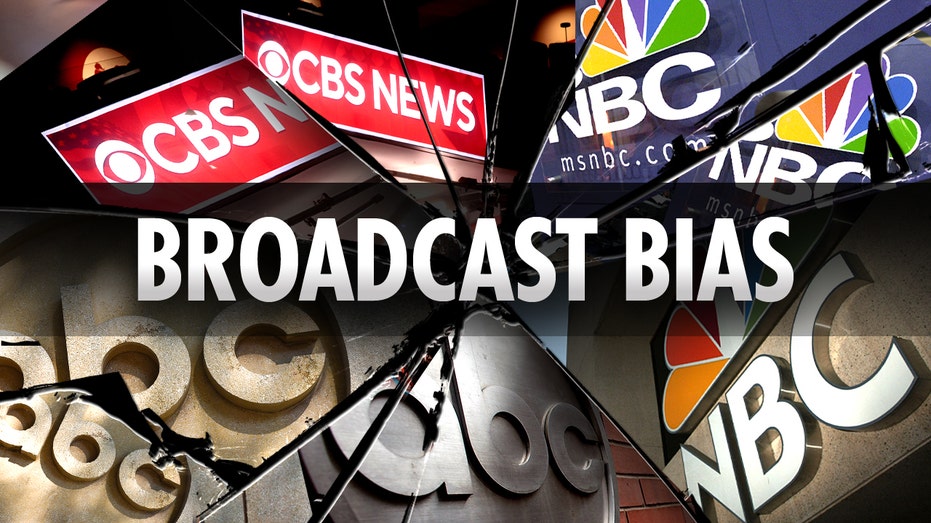
The White House's recent launch of a "Media Bias Offender Tip Line" represents a significant escalation in the ongoing battle between political power centers and the news media. Ostensibly framed as a call to hold "fake news" accountable, this initiative actively solicits public participation in policing perceived media bias, particularly targeting outlets critical of the Trump administration. Beyond mere rhetoric, this move reflects broader trends in media-politics relations, reveals strategic motivations tied to information control, and raises profound questions about the future of independent journalism in the United States.
The Bigger Picture
The history of U.S. presidents confronting the media is long and fraught. From Franklin D. Roosevelt’s era, when access journalism began taking shape, to Ronald Reagan’s ideological clashes with what he dubbed the "media elite," executive branches have often viewed critical coverage as adversarial. But only recently has there been an organized effort by a sitting administration to crowdsource the identification and denunciation of "media bias" from the public. This initiative follows years of escalating antagonism framed around notions of "fake news," terms popularized during and after the 2016 election cycle.
Such efforts must also be contextualized within the digital media landscape’s fragmentation. Polarized media outlets, social media echo chambers, and the rise of misinformation have destabilized traditional gatekeeping roles held by journalistic institutions. The White House’s portal therefore capitalizes on this environment - mobilizing supporters to act as watchdogs—though the framing and selection criteria suggest partisanship rather than neutral fact-checking.
What This Really Means
This tactic signals a shift from reactive media management to proactive delegitimization campaigns. By encouraging "everyday Americans" to submit examples of bias, the White House is effectively crowdsourcing surveillance of journalistic content, potentially weaponizing citizen involvement against critical media. This blurs lines between state authority, partisan actors, and civil society, raising concerns over freedom of the press and government influence.
Moreover, institutionalizing a "Media Bias Portal" risks reinforcing confirmation biases, as participants are incentivized to report stories that align with predefined narratives, specifically those defending the Trump administration. This raises questions about whether this tool functions more as a political weapon than a genuine mechanism to improve media accuracy.
Another implication is the potential chilling effect on journalists. Being publicly named in "Offender Halls of Shame" by the seat of government for alleged misrepresentation could intimidate reporters and outlets, dissuading robust investigative coverage or critical questioning. This tactic echoes authoritarian strategies but operates within the democratic framework, challenging traditional norms of press freedom.
Expert Perspectives
- Jay Rosen, media critic and NYU journalism professor, notes, "This initiative marks a dangerous conflation of government and partisan interests, encouraging citizens to surveil journalists in a manner that undermines editorial independence and could intimidate dissenting voices."
- Maria Ressa, Pulitzer-winning journalist fighting disinformation, warns that, "Crowdsourcing allegations of bias without clear scholarly criteria risks degenerating into witch hunts, further polarizing the public and eroding trust in all media institutions."
- Ben Smith, media columnist, suggests, "While legitimate concerns about media bias exist, government-led efforts to single out and shame reporters risk politicizing journalistic accountability and weakening democratic norms."
Data & Evidence
According to a 2024 Pew Research Center survey, only 29% of Americans trust major news organizations, a statistic that has steadily declined over the past decade amid partisan media ecosystems. Moreover, Gallup data reveals a widening partisan gap, with Republicans roughly twice as likely as Democrats to say major news outlets demonstrate too much liberal bias.
This partisan polarization aligns with usage patterns on social media platforms, where misinformation spreads faster and more widely than verified news, according to a 2023 MIT study. Such dynamics create fertile ground for initiatives like the Media Bias Portal, as public skepticism is weaponized to undermine journalistic authority.
Looking Ahead
Going forward, this White House initiative may set a precedent for other administrations to institutionalize public-led media accountability tools, though the form and intent may vary. The essential question will be whether such efforts foster genuine transparency and fairness or serve primarily as partisan tools to delegitimize adversarial reporting.
Journalists and news organizations are likely to face growing scrutiny and politicized accountability demands. How they respond—through improved transparency, fact-checking collaborations, or legal defenses of press freedom—will shape the evolving media landscape.
Equally, the public’s role in validating or challenging information will become more active yet more fraught, as distinguishing fact from ideologically motivated accusations requires media literacy gains and independent analysis.
The Bottom Line
The White House’s "Media Bias Offender Tip Line" extends beyond a public relations gambit—it is emblematic of an intensifying struggle over narrative control in American democracy. While framed as empowering citizens to fight "fake news," it risks weaponizing public distrust, undermining journalistic independence, and chilling robust reporting. The broader challenge remains how democracies can balance accountability with press freedom amid polarized information environments.
Topics
Editor's Comments
This new Media Bias Tip Line initiative underscores the deteriorating relationship between the Trump administration and mainstream media. While the administration frames its move as empowering citizens to combat misinformation, it effectively mobilizes a partisan base to police journalists—raising significant concerns about press freedom. The historical context reveals continuity in executive-media tensions, but this crowdsourcing model introduces new dynamics that may threaten journalistic independence and democratic norms. It invites reflection on how accountability is pursued: is it through transparent debate and fact-checking, or through government-led public shaming? As the landscape fragments, the challenge is building trust without weaponizing it. This story is a harbinger of potentially more entrenched and complex conflicts between media and government in coming years.
Like this article? Share it with your friends!
If you find this article interesting, feel free to share it with your friends!
Thank you for your support! Sharing is the greatest encouragement for us.