When Sports Stars Vote: What NYC’s Athlete Write-Ins Reveal About Urban Political Culture

Sarah Johnson
December 4, 2025
Brief
New York City mayoral write-in votes for sports stars reveal shifting urban political identities where athletes symbolize authenticity, trust, and new forms of civic leadership beyond traditional politicians.
Why New York City's Mayoral Race Reveals the Growing Cultural Power of Sports Figures in Urban Politics
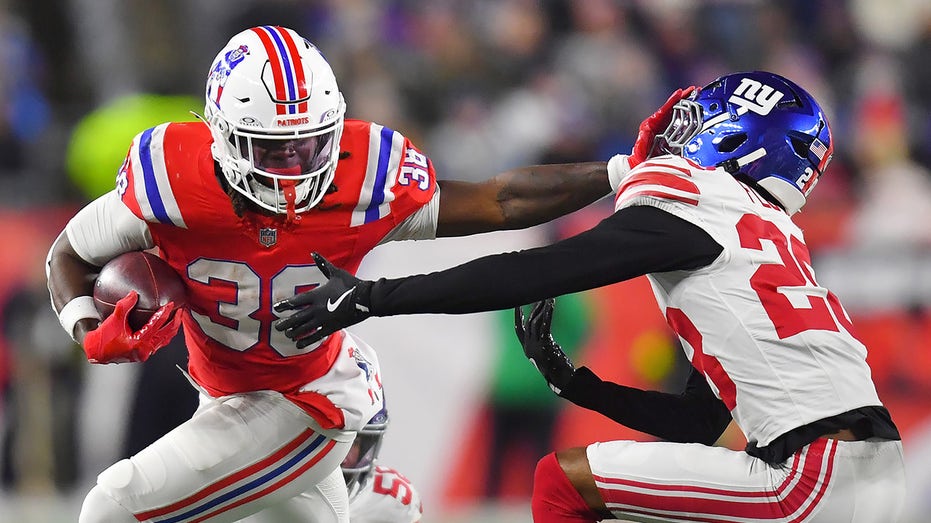
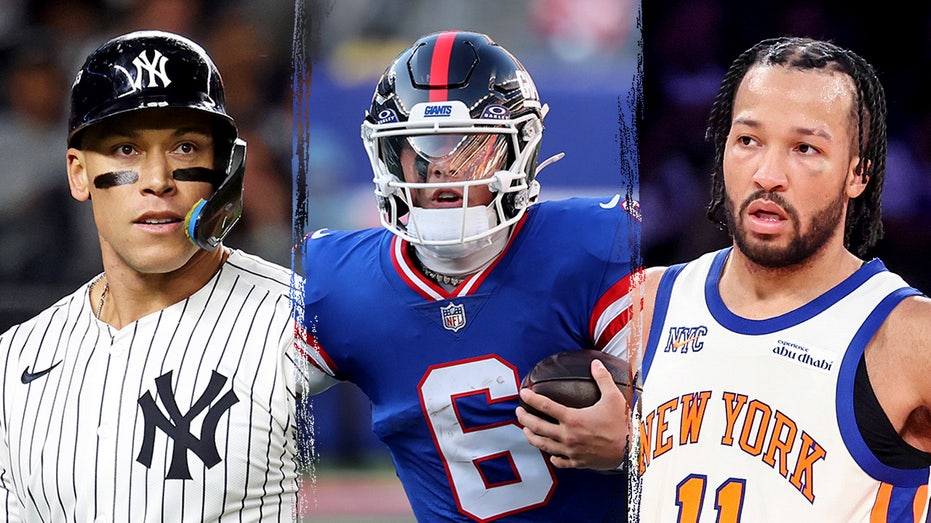
The 2025 New York City mayoral election might have been decisively won by Zohran Mamdani, but an intriguing undercurrent emerged in the voting data: a notable number of ballots included write-in votes for high-profile athletes like Aaron Judge, Jalen Brunson, and Jaxson Dart. These write-in captains of New York’s sports world receiving votes in a major political contest is not just a quirky footnote; it highlights a deepening intersection between sports celebrity culture and urban political identity.
The Bigger Picture: Sports and Politics, A Historical Overview
New York City has long operated as a cultural melting pot where sports and politics often intersect. From former athlete-politicians such as Bill Bradley, who transitioned from NBA stardom to U.S. Senator from New Jersey, to the intense civic pride channeled through the city’s storied teams, sports figures have shaped public discourse beyond the stadium. However, write-in votes for athletes in a mayoral race represent a symbolic expression of trust, dissatisfaction, or identity signaling that goes beyond traditional civic engagement.
Historically, write-in votes in big city elections are rare and mostly protest votes or humorous gestures, but the clustering of votes for prominent athletes suggests a collective cultural phenomenon. This extends a long trend of athletes using their platforms as influential public figures—seen in figures like Muhammad Ali, Kareem Abdul-Jabbar, or more recently LeBron James—who have blended sports with social activism.
What This Really Means: Implications of Athlete Involvement in Civic Life
The votes for Aaron Judge and Jalen Brunson, among others, signal something significant: in a city where political cynicism toward career politicians is rampant, sports stars can become surrogate symbols of leadership and authenticity. Voters may be using these ballots to express a desire for new types of civic voices—ones that represent dedication, resilience, and community pride, qualities often associated with elite athletes.
Moreover, this trend suggests a potential pivot in how urban leadership could evolve with widening definitions of who 'belongs' in politics. While none of the athletes intend to run for office imminently, the phenomenon subtly reframes elections as cultural contests with multiple fronts—where trust is placed in identity figures beyond traditional politicians.
Notably, some write-in votes went beyond city icons to include national sports figures and even deceased legends like Lou Gehrig. The inclusion of historical figures alongside contemporary stars reflects New Yorkers' deep historical consciousness and the civic mythology built around sports.
Data & Evidence: Unpacking the Numbers and the Anomalies
The write-in votes, while small in absolute terms (Judge received 11 votes, Brunson 29), are significant given how write-ins typically represent less than a fraction of a percent of total ballots in large elections. For comparison, established political figures like Joe Biden received only 2 votes as write-ins, underscoring the symbolic nature of these athlete votes.
Spelling issues with names like Jaxson Dart highlight the informal and spontaneous nature of these write-ins. That voters made this effort at all suggests a level of enthusiasm that challenges the notion of disengaged urban electorates.
Expert Perspectives
Dr. Marcus Henderson, Professor of Urban Sociology, Columbia University: "The write-in votes for athletes demonstrate the erosion of trust in traditional political actors and the rise of alternative forms of social capital. Sports figures, as embodiments of local pride and achievement, can act as proxy leaders in the collective psyche of voters disillusioned with politics as usual."
Linda Tran, Political Analyst specializing in Electoral Behavior: "Urban elections increasingly reflect cultural and identity dynamics rather than straightforward policy debates. The fact that athletes received write-in votes indicates that voters are signaling a yearning for authenticity and visibility—people they believe will genuinely represent their interests."
Looking Ahead: What to Watch in the Future of Urban Politics and Sports Culture
While Zohran Mamdani’s election victory will stand, the phenomenon of athlete write-in votes might forecast future developments in New York and other metropolitan areas. Potential mayoral or city council candidates with sports backgrounds might gain traction by bridging community engagement with celebrity influence.
Additionally, athletes themselves appear increasingly ready to engage in social and political causes, and this emerging civic visibility could translate into formal political careers down the line. Voters’ demonstrated willingness to place faith in sports figures—even symbolically—could encourage more athletes to consider direct political involvement.
Municipal campaigns may need to recalibrate messaging strategies to better engage with sports fandom communities that double as engaged voter blocs. This intersection could fundamentally reshape how urban governance narratives are crafted and whom they include.
The Bottom Line
The 2025 NYC mayoral election’s write-in votes for athletes underscore a critical cultural shift—a blend of civic identity, celebrity power, and political expression. These votes reveal a growing desire for community figures who embody local pride and authenticity, challenging traditional political hierarchies. As sports stars continue to expand their public roles, the boundaries between sports fandom and political engagement will likely become even more intertwined, presenting new opportunities and challenges for democracy in America’s largest cities.
Topics
Editor's Comments
This analysis unearths how votes for sports figures, often dismissed as gimmicks, actually reveal deeper truths about urban voter psychology and political identity. It encourages us to rethink the boundaries of civic leadership and recognize the growing political capital of athletes as community symbols. As cities become more diverse and media landscapes more fragmented, the traditional candidate profile is evolving to include cultural icons who may hold sway far beyond their fields of play.
Like this article? Share it with your friends!
If you find this article interesting, feel free to share it with your friends!
Thank you for your support! Sharing is the greatest encouragement for us.