Unraveling Scotland’s Hidden Past: The Significance of the Mysterious Bones Near Holyrood Park

Sarah Johnson
November 30, 2025
Brief
Analysis of Scotland's mysterious animal bones discovery near Holyrood Park, exploring historical, ecological, and archaeological implications to deepen understanding of the region’s layered past and land use evolution.
Opening Analysis
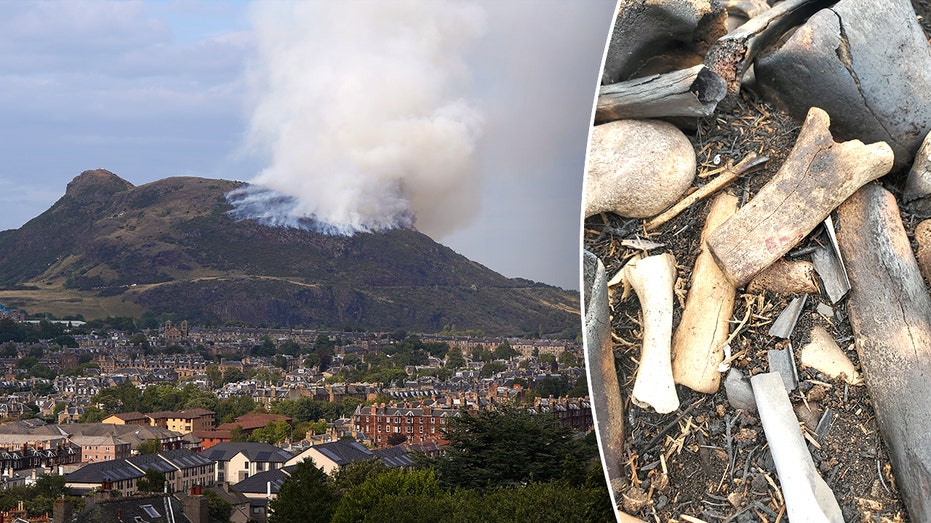
The recent discovery of a mysterious collection of animal bones near Edinburgh’s iconic Arthur's Seat is more than a mere archaeological curiosity; it potentially signals complex layers of historical and environmental significance. Unraveling why these bones appeared, their origins, and their context could reshape understandings of Scotland’s layered past, especially given the site’s proximity to prehistoric and medieval landmarks. This find highlights the crucial intersection of natural, human, and archaeological histories—calling for a nuanced investigation into the region’s ecological and cultural evolution.
The Bigger Picture
Holyrood Park, encompassing Arthur's Seat and Crow Hill, is renowned for its geological and archaeological richness. Historically, the landscape has been used for grazing since medieval times, evidenced by its topography and historical records. The presence of a prehistoric hill fort near the site situates the area within a continuum of human activity spanning thousands of years. Scotland's archaeological record, particularly in the Lowlands, reveals a pattern of recurring transitional phases—from prehistoric settlements and medieval land use to modern recreational landscapes—each layer offering insights into how humans and environments co-evolved.
The recent discovery of bones adds a new chapter to this history, potentially connecting to medieval or post-medieval practices, or even earlier periods, given the site's ancient prominence. Historically, the region's land was often used for various purposes, including grazing, hunting, and ceremonial activities. Bones unearthed in such contexts have previously indicated rituals, burial practices, or waste from domestic and agricultural activities.
What This Really Means
The presence of a diverse array of animal bones—including cattle, sheep or goats, horses, and even cats—raises questions about their purpose and discard. Are these remains remnants of everyday domestic activity? Could they be connected to ritual or sacrificial practices? Or might they suggest disposal of remains from earlier hunting or slaughtering practices? The variation in species and the lack of complete skeletons imply these were not intentionally curated as archaeological artifacts but perhaps the consequence of waste accumulation or animal management activities.
The bones’ post-medieval likely age indicates they could date from a time of significant societal change in Scotland—periods marked by Reformation, agricultural intensification, or even urbanization influences impacting rural land use. Additionally, the fact they were found post-wildfire suggests a recent disturbance that potentially exposed ancient or buried layers, bringing hidden histories to light.
From an environmental perspective, the bones may also reflect past ecological conditions, such as livestock management practices or local biodiversity. The discovery invites a reconsideration of land use history in Holyrood Park, suggesting that the landscape was once more actively managed and utilized than previously understood.
Expert Perspectives
Archaeologists and historian Dr. Fiona Macdonald has noted, "Finds like these bones challenge our assumptions that Holyrood Park was merely a recreational or natural landscape. Instead, they reveal a layered history of human activity—pastoral, ritualistic, or otherwise—that shaped the landscape over centuries."
Wildlife ecologist Professor James Reid emphasizes that, "Such mixed assemblages of animal remains can tell us a great deal about past ecological relationships and human influences, from domestication to land management practices. Understanding their origin helps reconstruct historical land use models, which are vital for contemporary conservation efforts."
Additionally, Dr. Liam Strachan, an expert in Scottish prehistoric and medieval archaeology, points out that, "The proximity to the prehistoric hill fort suggests that this area remained significant across different periods—its bones could reflect a continuum of activity, possibly relating to local rituals, animal husbandry, or even conflict."
Data & Evidence
Scientific analysis, including radiocarbon dating, will compare the bones’ ages to regional historical data. Scotland’s radiocarbon records reveal that post-medieval deposits often date from roughly 1500 to 1700 AD, aligning with periods of agricultural intensification and social upheaval.
Furthermore, previous excavations across Scotland have uncovered similar multilayered sites: prehistoric settlements overlaid by medieval activity, and later, industrial-era waste. The presence of animals like cats could point to domestic activity, while cattle and horses are more indicative of agricultural practices.
In terms of environmental impact, pollen and soil analyses from the site can illuminate the landscape's ecological history—such as deforestation, grazing intensity, or climate fluctuations—adding depth to the understanding of these bones.
Looking Ahead
Further scientific work, especially precise radiocarbon dating and isotopic analysis, will clarify when these bones date from and what they reveal about past land use. The find could potentially lead to new research avenues such as examining nearby prehistoric or medieval sites, revisiting local land use histories, and understanding the long-term human-environment dynamic in Holyrood Park.
The discovery also raises questions about current land management practices, the impact of recent natural disturbances like wildfires, and how these events might reveal or conceal buried archaeological features. Future investigations may involve multidisciplinary approaches, including bioarchaeology, paleoenvironmental studies, and archival research, to piece together the story.
The Bottom Line
This archaeological find underscores the layered complexity of Holyrood Park’s heritage—reminding us that landscapes often hold histories far richer than their contemporary use suggests. The bones serve as a tangible connection to Scotland’s past, offering insights into historical land management, societal practices, and ecological changes. Their investigation promises to deepen our understanding of how human activity has indelibly shaped this iconic landscape over centuries, providing valuable lessons for both conservation and heritage management.
Topics
Editor's Comments
This discovery exemplifies how landscapes often conceal complex histories beyond their modern appearance. It invites a multidisciplinary approach, integrating archaeology, ecology, and history, to truly understand the stories embedded beneath the surface. The proximity to ancient sites offers fertile ground for future research—potentially unveiling new chapters of Scottish heritage. More importantly, it underscores the importance of protective stewardship; without careful investigation, such significant finds risk being lost or misunderstood. As wildfires continue to reshape landscapes globally, the possibility that natural disturbances can unearth historical treasures is a powerful reminder of the interconnectedness of natural and cultural landscapes—and the need to preserve and interpret these hidden stories responsibly.
Like this article? Share it with your friends!
If you find this article interesting, feel free to share it with your friends!
Thank you for your support! Sharing is the greatest encouragement for us.