Unpacking the Significance of Donald Trump’s Inaugural FIFA Peace Prize

Sarah Johnson
December 6, 2025
Brief
Analyzing the unprecedented FIFA Peace Prize awarded to Donald Trump, exploring its historical context, political implications, and the evolving role of sports in global diplomacy and peacebuilding.
Why Trump’s FIFA Peace Prize Matters Beyond the Trophy
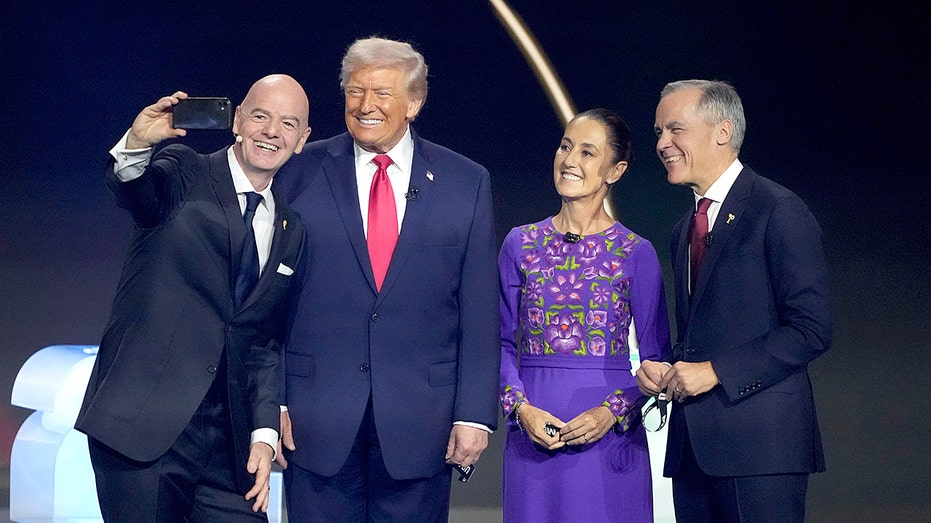
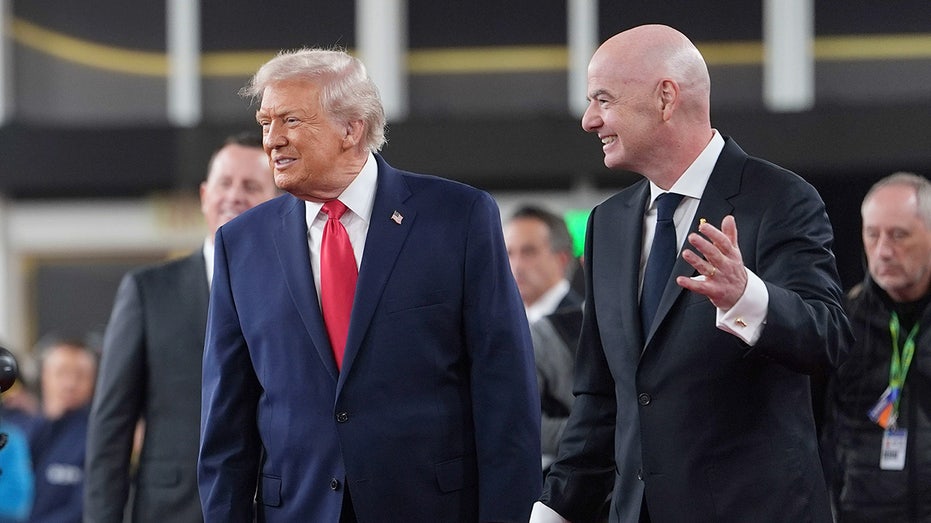
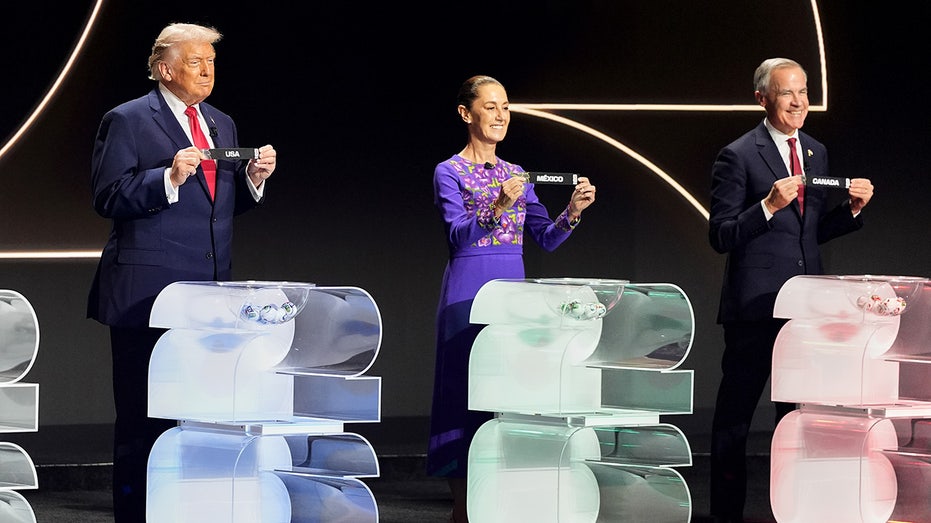
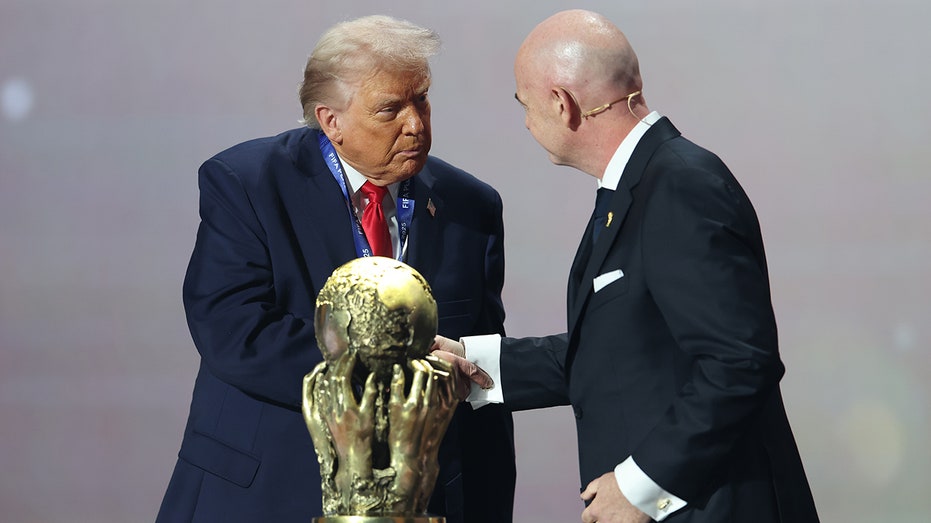
The announcement that former President Donald Trump received the inaugural FIFA Peace Prize at the World Cup final draw during a ceremony at Washington’s Kennedy Center might strike many as surprising, even controversial. However, this event is a revealing prism through which to examine how politics, diplomacy, and global sporting diplomacy intersect in the 21st century. This award, presented by FIFA President Gianni Infantino and symbolized by the iconic image of golden hands clutching a soccer ball, is not merely a decorative accolade but a potent statement about leadership, global unity, and the evolving role of sporting institutions in geopolitical affairs.
The Bigger Picture: Sports as a Stage for Political Signaling
Historically, sports—and particularly global phenomena like the FIFA World Cup—have served as far more than arenas for athletic competition. Since the Cold War era’s politically charged Olympics to the use of sports boycotts and diplomacy, global sports events have been intertwined with broader national and ideological contestation.
The introduction of the FIFA Peace Prize signifies a new institutional effort by soccer's governing body to align itself with global peace ambitions, leveraging football's unparalleled international appeal to promote unity and conflict resolution. It also reflects FIFA’s strategic positioning amid ongoing governance challenges, reputational rehabilitation efforts following past corruption scandals, and ambitions to play a constructive role in global affairs.
In this context, awarding the prize to Donald Trump, a figure with a distinctly polarizing international image, illustrates the complex calculus involved. It signals FIFA's recognition of Trump’s direct involvement in peace-related outcomes—namely, the administration’s touted diplomatic initiatives that it claims helped deescalate conflicts or prevent wars during his tenure.
What This Really Means: Leadership, Peace, and the Limits of Sporting Diplomacy
Trump’s acceptance speech invoked claims about "saving millions of lives" and ending or preventing wars—a narrative that aligns with his administration’s emphasis on unconventional, often transactional foreign policy strategies. Some analysts view these as examples of “peace through strength” or realpolitik diplomacy, while others criticize them as selective or self-aggrandizing.
Within the framework of the FIFA Peace Prize, there is an implicit attempt to broaden diplomacy’s definition beyond traditional channels, recognizing political figures who impact international stability—even if their legacies remain contested. This award highlights a growing trend where global sports organizations harness their soft power to influence political discourse and reward non-traditional forms of peacemaking.
Moreover, Trump’s role as chair of the 2026 World Cup Task Force and the promise to "take care" of security in host cities—coupled with threats to relocate matches from "unsafe" urban areas—illustrates how sporting mega-events increasingly necessitate intertwining political authority with event management, underscoring issues around urban governance, public safety, and federal-local tensions.
Expert Perspectives: Diverse Views on the Prize’s Significance
Gianni Infantino, FIFA’s president, positioned the award as recognition of leadership "exemplifying unwavering commitment to advancing peace and unity through notable action." From this institutional viewpoint, the prize credits Trump’s role in fostering cross-border cooperation, not only in security but in hosting the World Cup collaboratively across the US, Canada, and Mexico.
In contrast, scholars like Dr. Samantha Hedrick, an expert on sports diplomacy at the London School of Economics, caution against conflating symbolic honors with substantive peace achievements. She notes, "Sporting bodies often seek to elevate political figures to legitimize their events or agendas—this can overshadow nuanced truths about such leaders’ broader impact on global peace and human rights." Meanwhile, former diplomat Michael O’Donnell points out, "Leveraging a global event like the World Cup to push peace narratives shows how sports can be a vital tool, but it also reveals the limits when political realities don’t align perfectly with these narratives."
Data & Evidence: The Rising Role of Multi-Nation Sporting Events
The 2026 World Cup is the first tournament in over 20 years hosted by multiple countries and spans 16 host cities primarily across the U.S. (11 cities), with Canada and Mexico also involved. This scale reflects growing trends in international cooperation, shared economic investment, and regional integration within North America.
From a security perspective, federal involvement has grown significantly in recent years for major sporting events; the Department of Homeland Security reports billions spent on sport event security since 2010, due to concerns over potential terrorism or civil unrest. This actualizes Trump’s public commitment of federal resources to ensure the safety of host cities.
Looking Ahead: What to Watch in Global Sports Diplomacy
This award signals a likely intensification of the politicization of global sports, where organizations like FIFA cement themselves as quasi-diplomatic actors, awarding peace prizes and engaging openly in geopolitical discussions.
The 2026 World Cup itself could become a litmus test for multi-national coordination around security, urban management, and social inclusivity—particularly as debates around public funding, policing, and local unrest continue intensifying in host cities.
Internationally, observers should watch how FIFA’s attempts to position football as a global force for unity and peace withstand scrutiny amidst political controversies surrounding honorees like Trump, as well as evolving geopolitical tensions that sport often reflects.
The Bottom Line
The inaugural FIFA Peace Prize awarded to Donald Trump reflects more than a personal honor; it symbolizes the increasingly intertwined worlds of global sport, politics, and peacebuilding narratives. While applauding efforts to use football's worldwide stage for diplomacy, the broader implications raise important questions about authenticity, political theater, and the responsibilities of sports organizations as global influencers.
Topics
Editor's Comments
This award ceremony opens a fascinating dialogue about the evolving role of international sports organizations in political arenas. It invites us to critically assess how symbolic honors can shape public narratives about leadership and peace, particularly when awarded to figures with complicated legacies. It also raises questions about the authenticity of such gestures: Are they effective diplomatic tools, or do they risk becoming political theater? Finally, as the 2026 World Cup approaches, the practical challenges of multi-nation hosting—as well as the balance of public safety and political messaging—will test the promises inherent in these soft-power moves.
Like this article? Share it with your friends!
If you find this article interesting, feel free to share it with your friends!
Thank you for your support! Sharing is the greatest encouragement for us.