Beyond the Headline: Analyzing Trump’s Security Promises for the 2026 FIFA World Cup

Sarah Johnson
December 6, 2025
Brief
An in-depth analysis of Trump’s security assurances for the 2026 World Cup reveals underlying political tensions, governance challenges, and implications for public safety and international event success.
Why the US Readiness and Security Promises Matter Ahead of the 2026 FIFA World Cup
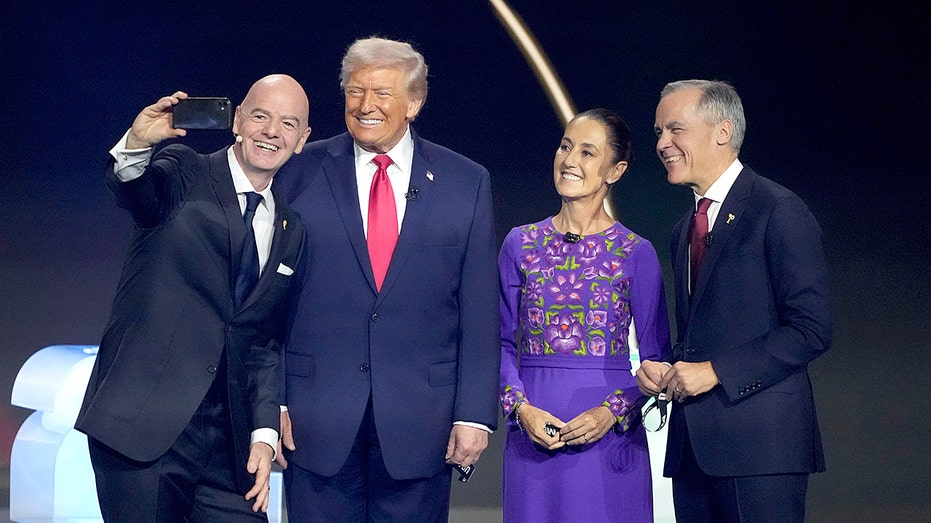
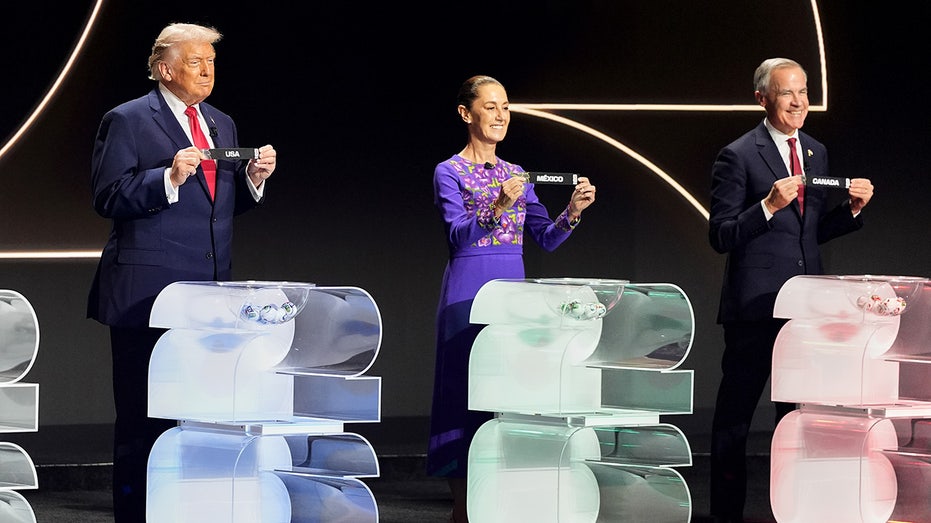
President Donald Trump’s recent statements asserting the United States’ readiness to host the 2026 FIFA World Cup and his promise to "take care" of crime in host cities go beyond typical event hype. They underscore the intense focus on security, political tensions between federal and local governments, and the complexities of hosting a multi-city international sporting event amid rising concerns over urban safety. This analysis explores the historical context of security at major sporting events, underlying motivations behind Trump’s remarks, and what this portends for the World Cup’s successful execution.
The Bigger Picture: Security at Global Sporting Events
Hosting a major international event like the FIFA World Cup has always demanded rigorous security coordination among federal, state, and municipal authorities. The US last hosted the World Cup in 1994, and since then, global terrorism threats, social unrest, and local crime patterns have changed dramatically. For instance, the 2015 Paris attacks during the UEFA Euro tournament heightened awareness of terrorism risks at sports arenas. More recently, protests and civil disobedience in various US cities have raised questions about public safety during large gatherings.
Trump’s remarks about "taking care of the problem" if crime arises tap into longstanding debates about federal and local roles in policing and public safety. Historically, tension between federal intervention and respect for local governance has complicated responses to urban crime spikes. His explicit criticism of Boston Mayor Michelle Wu as "radical left" highlights how politicization can influence perceptions of local authorities’ competence to manage security.
What This Really Means: Politics, Public Safety, and Event Success
Examining Trump’s comments reveals multiple layered motives and implications:
- Federal Assertiveness Over Local Control: The president’s readiness to relocate games or "take them away" from host cities signals a willingness to override municipal decisions under the guise of security concerns. This risks fostering distrust between levels of government and complicates cooperation essential for smooth event operations.
- Political Messaging to Key Voter Bases: Trump’s critique of "radical left" mayors like Wu taps into partisan narratives about urban crime, a hot-button issue mobilizing conservative voters. Positioning himself as the "problem solver" on security feeds into his brand identity.
- Public Safety as a Brand and Economic Imperative: FIFA places safety as paramount to protect players, fans, and reputation. Any perceived security failures could jeopardize the US’s international standing and economic benefits estimated in billions from tourism and broadcasting rights.
- Risks of Overreach and Backlash: Heavy-handed federal action might provoke local resentment, activism, or conflicts. Ensuring security without infringing on community relations presents a delicate balance.
Expert Perspectives
Dr. Jennifer Wu, Security Policy Analyst at the Center for Urban Studies, notes: "Large-scale events like the World Cup inherently elevate security risks, but collaborative governance is key. Heavy federal intervention risks sidelining local knowledge and community engagement, which are crucial for sustainable safety."
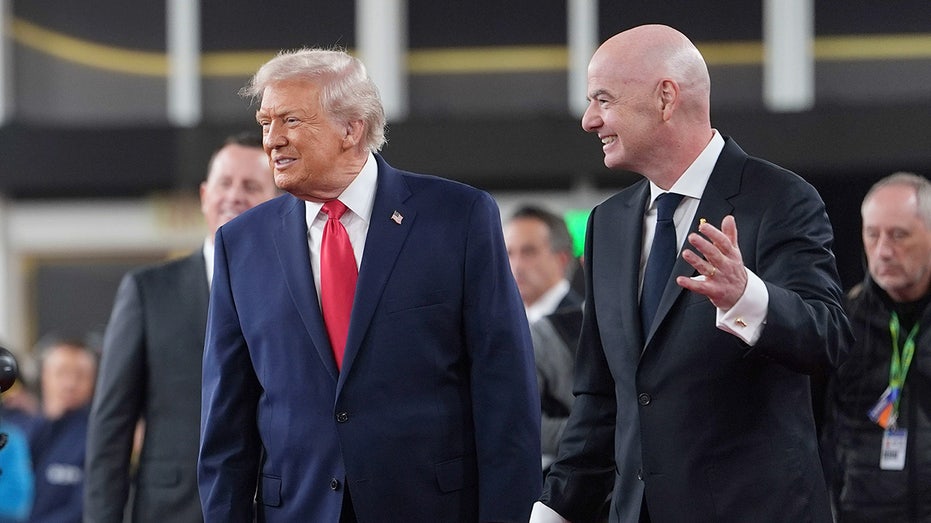
Gianni Infantino, FIFA President, has emphasized: "Safety and security remain the governments' responsibility. We rely on host cities and federal authorities working in harmony to ensure a memorable and safe event for fans worldwide." This reflects FIFA’s principle of deferring to sovereign decisions while expecting compliance with global safety standards.
Data and Evidence: Crime and Event Security Trends
Statistical data provides context to these concerns. According to the FBI’s Uniform Crime Reporting, some host cities like Boston have experienced fluctuations in violent crime rates over recent years, influenced by broader social and economic trends. Notably, the National Soccer League World Cup held in Russia in 2018 reported a relatively low crime increase during the event, credited to intensive multi-agency security planning.
Economic analyses project the 2026 World Cup will generate upwards of $14 billion in economic activity across the US, Canada, and Mexico. Security disruptions could threaten this windfall. Therefore, managing crime and safety emerges as a strategic imperative beyond mere political rhetoric.
Looking Ahead: What to Watch for in the Lead-Up to 2026
Several future developments bear close monitoring:
- Intergovernmental Cooperation: Will federal, state, and city governments develop robust security strategies or remain politically adversarial? The ability to harmonize efforts will be critical.
- Community Engagement: Intervention policies must consider local communities’ relationships with law enforcement to prevent violence and unrest.
- Security Technology and Innovation: Advances in surveillance, crowd control, and cyber protections can enhance safety if deployed thoughtfully.
- Political Rhetoric vs. Operational Reality: Whether political threats to relocate matches translate into actual decisions remains to be seen and could impact fan and sponsor confidence.
The Bottom Line
President Trump’s confident assurances on US readiness and promises to "take care" of crime within World Cup host cities spotlight a complex nexus of security, politics, and international image management. While federal commitment is essential, the path to a safe and successful 2026 World Cup hinges on nuanced cooperation between diverse stakeholders. Oversimplified threats or politicization risk undermining the collaborative infrastructure necessary for the US to stage an event of this magnitude effectively.
Understanding these dynamics deepens appreciation beyond surface news—revealing how this global sporting moment is a microcosm of broader societal debates about governance, security, and national identity in today’s polarized environment.
Topics
Editor's Comments
This analysis aims to cut through the usual partisan back-and-forth and focus on the systemic issues the Trump administration's statements highlight regarding event security. The tension between federal authority and local autonomy is not new, but the political context inflames it in ways that could influence operational decisions for the World Cup. It raises critical questions about how much political considerations should influence public safety strategies in large-scale international events. This story is a case study in the intersection of sport, politics, and urban governance, where collaboration is essential but sometimes elusive.
Like this article? Share it with your friends!
If you find this article interesting, feel free to share it with your friends!
Thank you for your support! Sharing is the greatest encouragement for us.