Unpacking the SCORE Act Vote Delay: Power, Politics, and Athlete Rights in the NIL Era

Sarah Johnson
December 5, 2025
Brief
An in-depth analysis of the postponed SCORE Act vote, exploring the complex interplay of politics, athlete rights, and power dynamics reshaping college sports amid the evolving NIL landscape.
Why the SCORE Act Vote Matters Beyond the Headlines
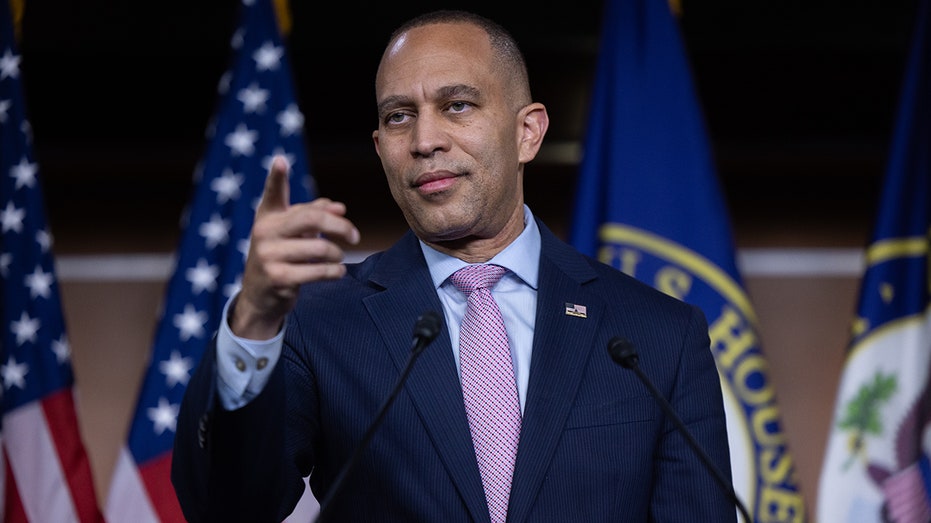
The postponement of the House vote on the SCORE Act shines a spotlight on the enduring battle over how college athletes are compensated and protected—a conflict that involves power dynamics between lawmakers, universities, athletes, and influential donors. Representative Hakeem Jeffries’ sharp critique of the bill and the timing of its push underscores deeper questions about who truly benefits from legislation in the Name, Image, and Likeness (NIL) era, and how entrenched interests are shaping policy outcomes.
The Bigger Picture: A History of College Athlete Compensation and Antitrust Debate
For decades, the NCAA operated under longstanding rules that prohibited athletes from profiting off their NIL, framed by a model of amateurism protecting educational integrity. However, a series of antitrust lawsuits—most notably O’Bannon v. NCAA and Alston v. NCAA—shook this foundation, revealing the legal vulnerabilities of the NCAA’s system and culminating in landmark federal rulings limiting the organization’s ability to restrict athlete earnings. The NIL reforms enacted in 2021 were a partial concession, allowing athletes to monetize their fame. Yet, the NCAA still faces legal and regulatory pressure to balance athlete rights with institutional control.
The SCORE Act emerges against this backdrop, proposing a limited antitrust exemption intended to shield the NCAA from lawsuits related to eligibility rules, while explicitly prohibiting athletes from being classified as employees. Although pitched as a stabilizing measure for college sports, this legislation reignites concerns about whether it effectively curtails athletes’ collective bargaining power and limits states’ ability to enact pro-athlete reforms.
What This Really Means: Power, Politics, and Profits Collide
Jeffries’ accusation that the bill is essentially a gift to big donors connected to LSU, and beneficial primarily to elite coaches like Lane Kiffin, highlights the intersection of local political influence, donor interests, and sports economics. His renaming of the bill the "Lane Kiffin Protection Act" is more than rhetorical flourish—it calls attention to how coaching arms races and university branding efforts are influencing federal policy. LSU’s offer to Kiffin reportedly included a $100 million contract, illustrating how institutional priorities can overshadow athlete interests.
The bill’s prohibition on athletes being employees effectively shuts down arguments for extending worker protections, collective bargaining, and unionization rights—which a majority of professional sports players associations oppose. This raises critical questions about whether the legislation intends to preserve a quasi-amateur status for athletes or simply to insulate universities from potential labor disputes.
Furthermore, the mandate that at least 22% of the highest-earning schools’ revenue be allocated to NIL pools, and restrictions on funding NIL payments through student fees, attempt to strike a regulatory balance. Yet critics argue that this could hand excessive control back to schools and the NCAA, limiting the evolutionary momentum toward athlete empowerment seen in recent years.
Expert Perspectives: The Intersection of Law, Labor, and Sports Policy
Dr. Michael McCann, Sports Law Expert, University of New Hampshire: "The SCORE Act represents a strategic move by institutional stakeholders to circumscribe athlete autonomy under the guise of regulatory stability. The proposed antitrust exemption is a tool to immunize the NCAA from ongoing litigation that challenges its fundamental governance model."
Angela Rye, Political Commentator and Athlete Advocate: "When bills prioritize protecting coaches and administrators over players, it illustrates how systemic inequities persist in collegiate sports. Legislators must listen to athletes’ voices rather than powerful donors dictating the agenda."
Adam Silver, NBA Commissioner (referencing labor rights broadly): "Collective bargaining is foundational to athlete empowerment. Any legislation that restricts this pathway risks undermining long-term progress in athlete labor rights, a lesson professional leagues have learned through decades."
Data & Evidence: The Economics of College Sports and Athlete Compensation
College sports generate approximately $18 billion annually in revenue, with Power Five conferences and elite programs like LSU capturing the lion’s share. Yet NCAA policies historically limited athlete compensation to scholarships and stipends worth a fraction of that value. The 22% minimum revenue share proposed by the SCORE Act aims to institutionalize NIL compensation pools but falls short of guaranteeing transparency or equitable distribution mechanisms.
Moreover, athlete unionization efforts have gained traction in recent years, influenced by successful collective bargaining in professional sports. The SCORE Act’s prohibition of employeeship for players risks halting this trend, potentially affecting thousands of athletes in revenue-generating sports.
Looking Ahead: Future Battles and What to Watch
The delayed vote foreshadows ongoing legislative volatility over college sports reform. Key areas to monitor include:
- How state-level NIL laws may evolve in response to or conflict with federal legislation
- The viability of athlete unionization and labor rights within amateur athletic frameworks
- The role of influential donors and university politics in shaping federal policy agendas
- Potential legal challenges to antitrust exemptions and their interplay with athlete rights
The intersection of sports, labor law, and education policy will remain a dynamic battleground, with athletes increasingly asserting their voices amid persistent institutional resistance.
The Bottom Line
The SCORE Act episode reveals much more than a stalled bill—it highlights a critical inflection point in collegiate athletics about power, fairness, and who benefits from the enormous economics of sport. Representative Jeffries’ pointed critique brings to light the tension between athlete empowerment and protective interests embedded in collegiate sports governance. As this debate unfolds, the stakes extend beyond sports to broader issues of labor rights, education equity, and political influence.
Topics
Editor's Comments
The delayed SCORE Act vote exposes a fault line in American collegiate sports politics: whether the enormous profitability of college athletics will be leveraged to empower athletes or to entrench existing institutional power structures. Jeffries’ framing of the bill as benefiting a high-profile coach over players encapsulates a perennial tension that dates back to the NCAA’s founding. As more athletes demand a seat at the negotiating table, policymakers face a crossroads where their decisions will define the future of labor rights and equity in one of the country’s most lucrative industries. This legislative episode is a warning sign of the deep challenges ahead for any meaningful reform.
Like this article? Share it with your friends!
If you find this article interesting, feel free to share it with your friends!
Thank you for your support! Sharing is the greatest encouragement for us.